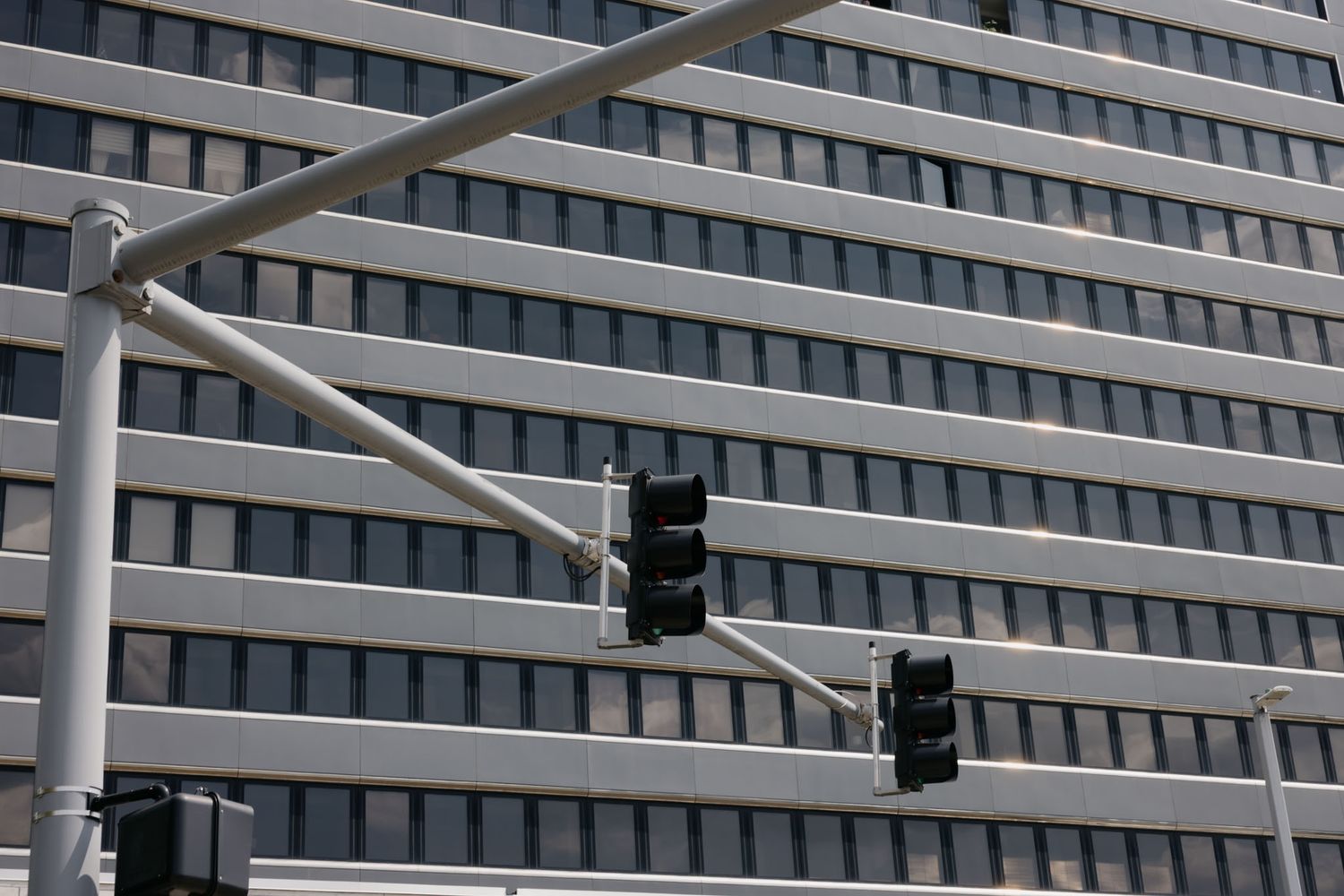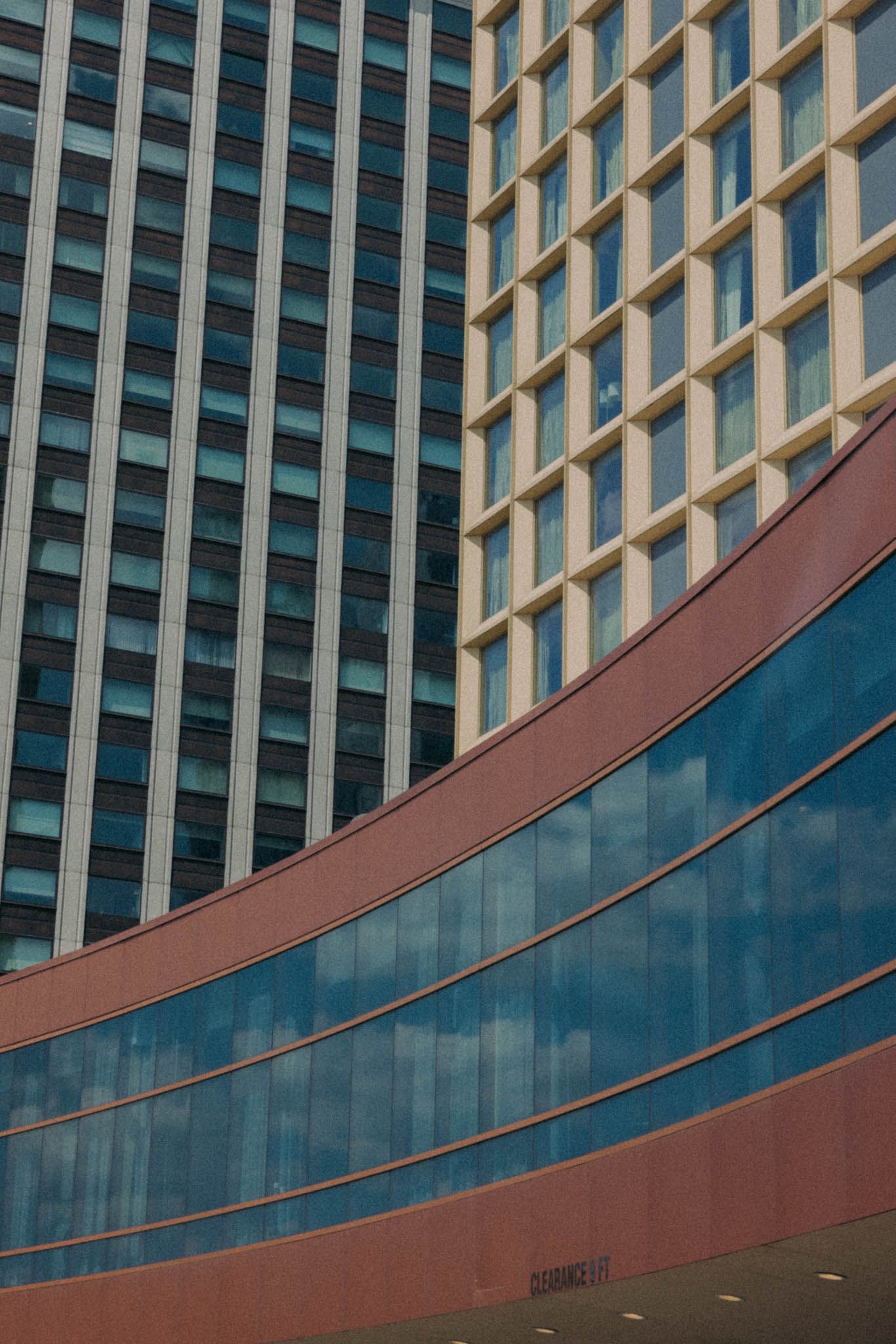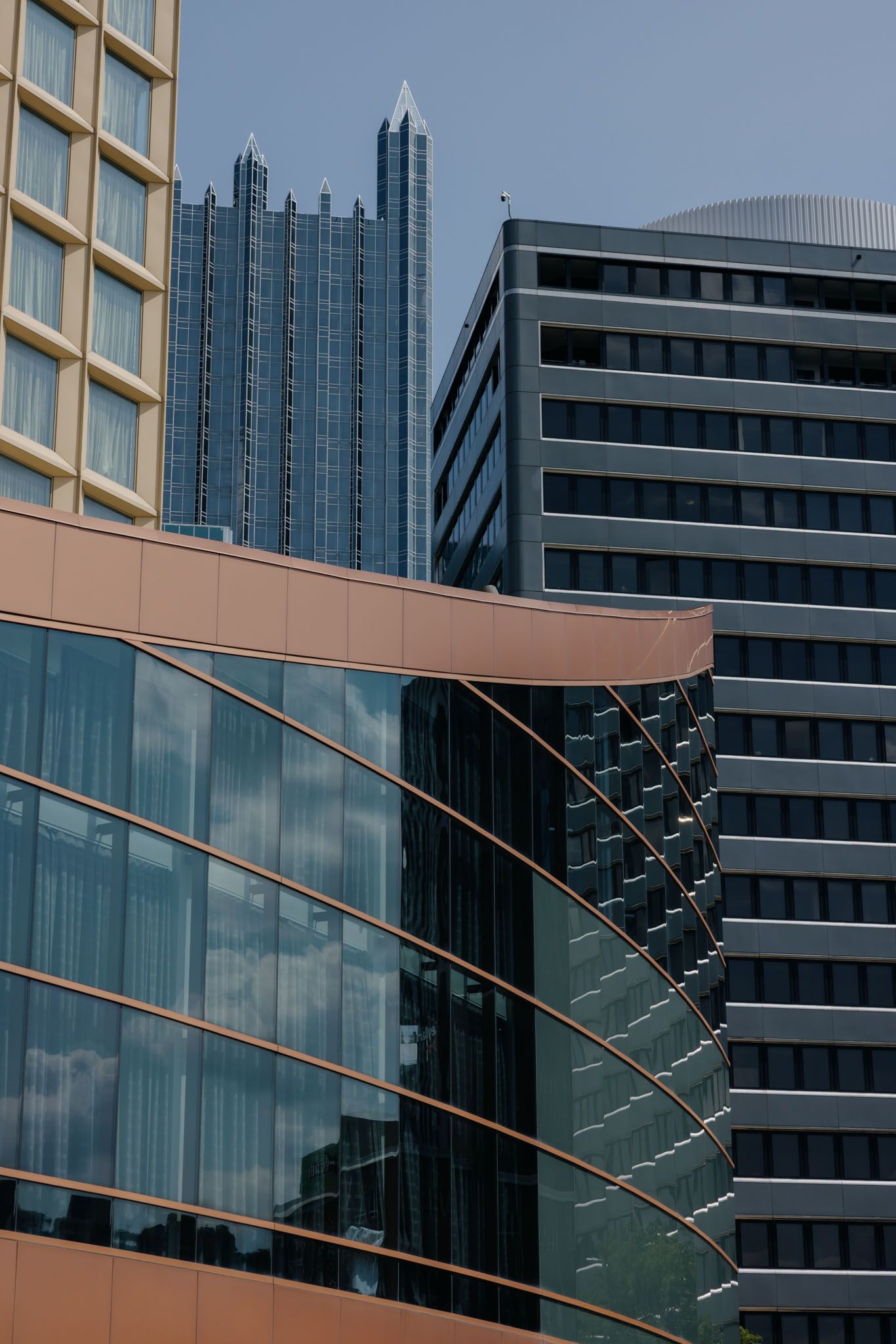

Abstract Architecture: Lines, Light, and Landscapes Reduced to the Essential
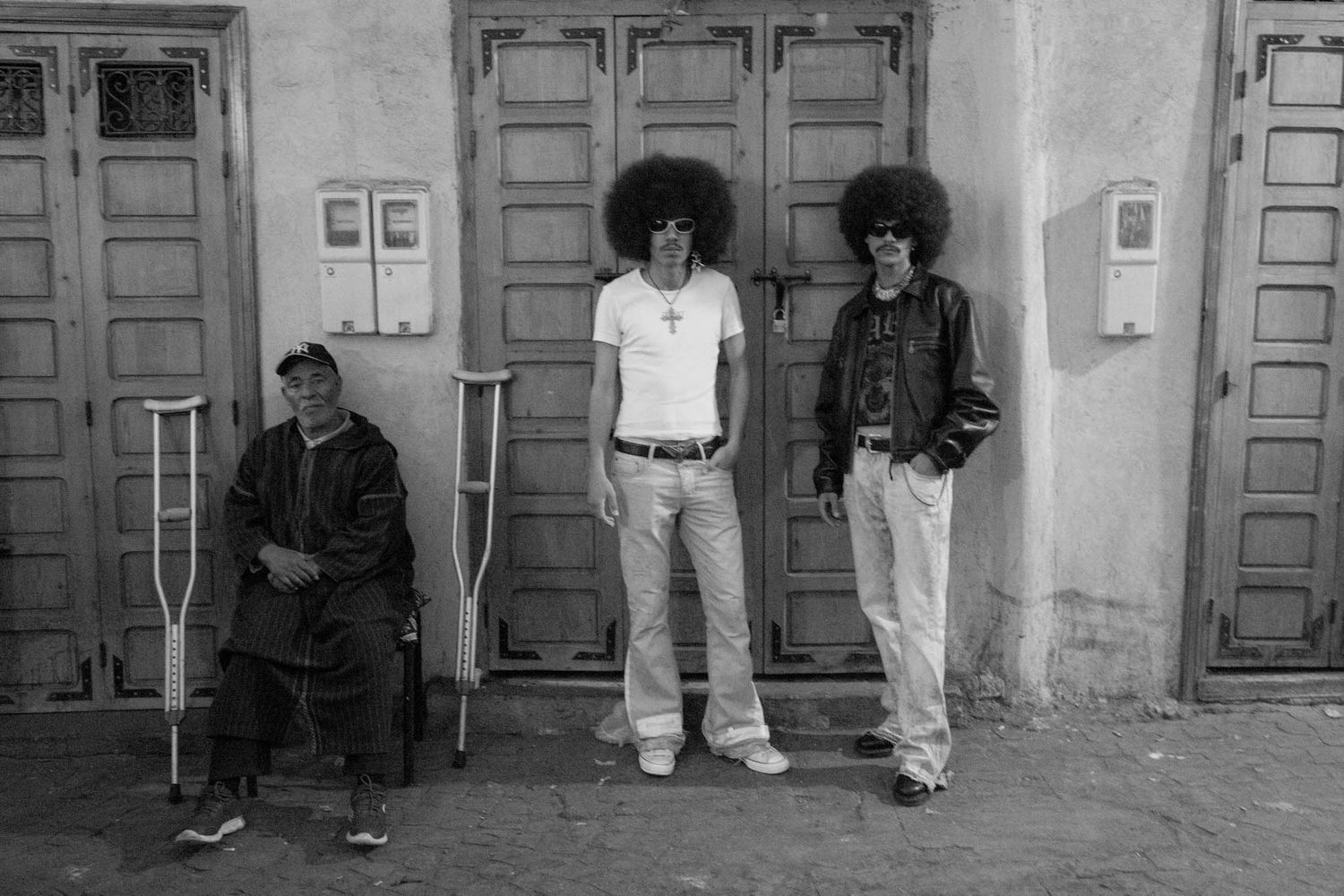
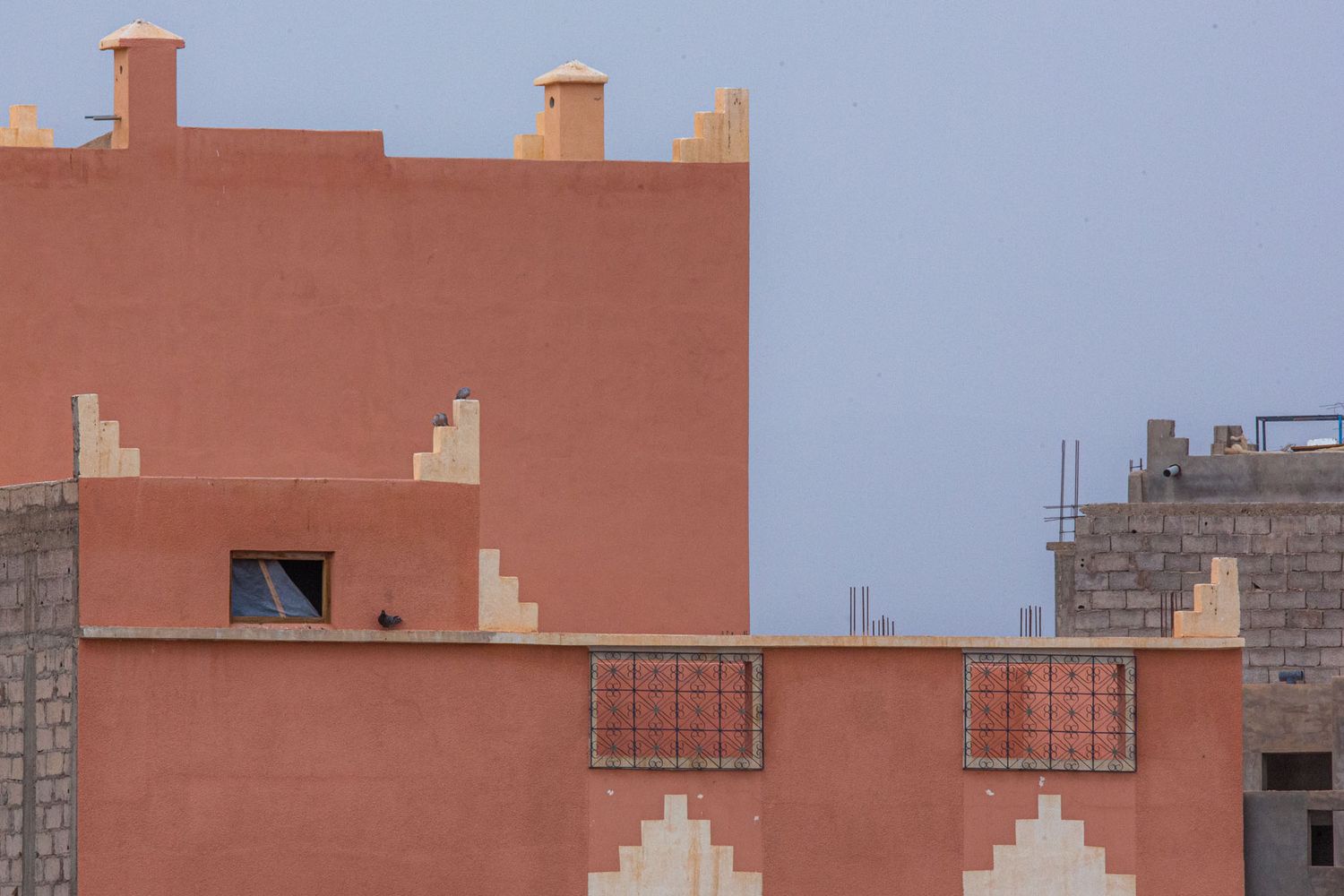
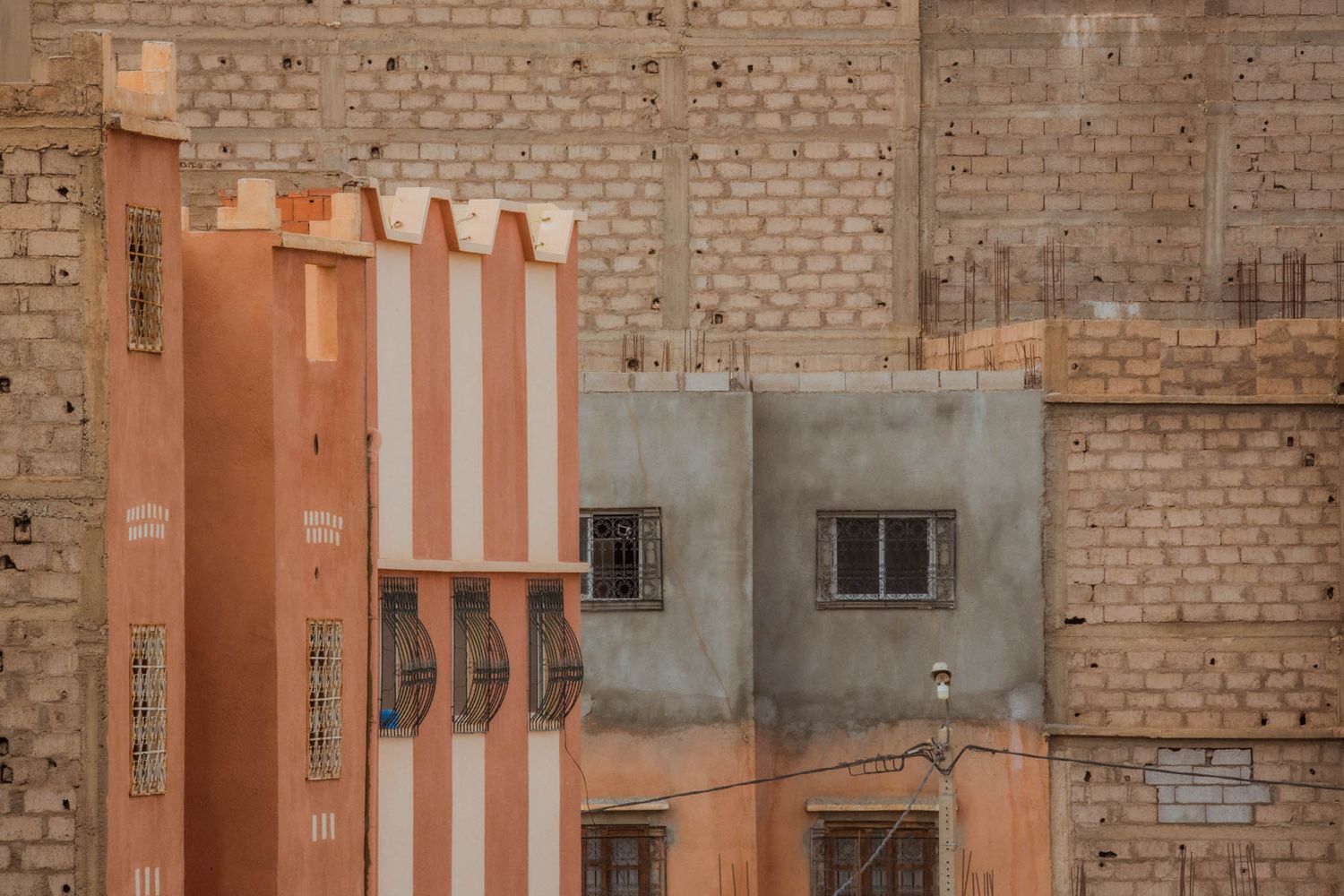
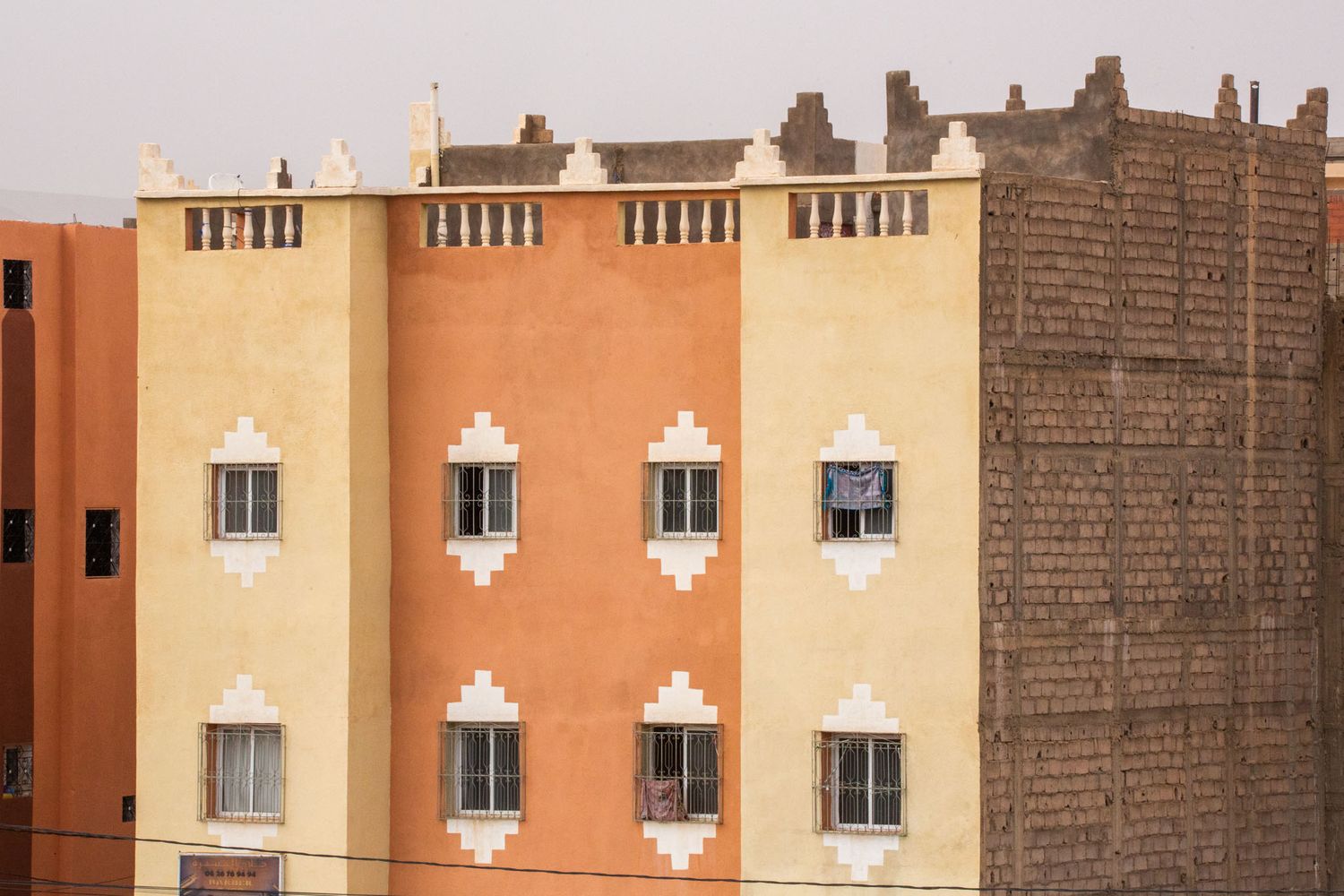
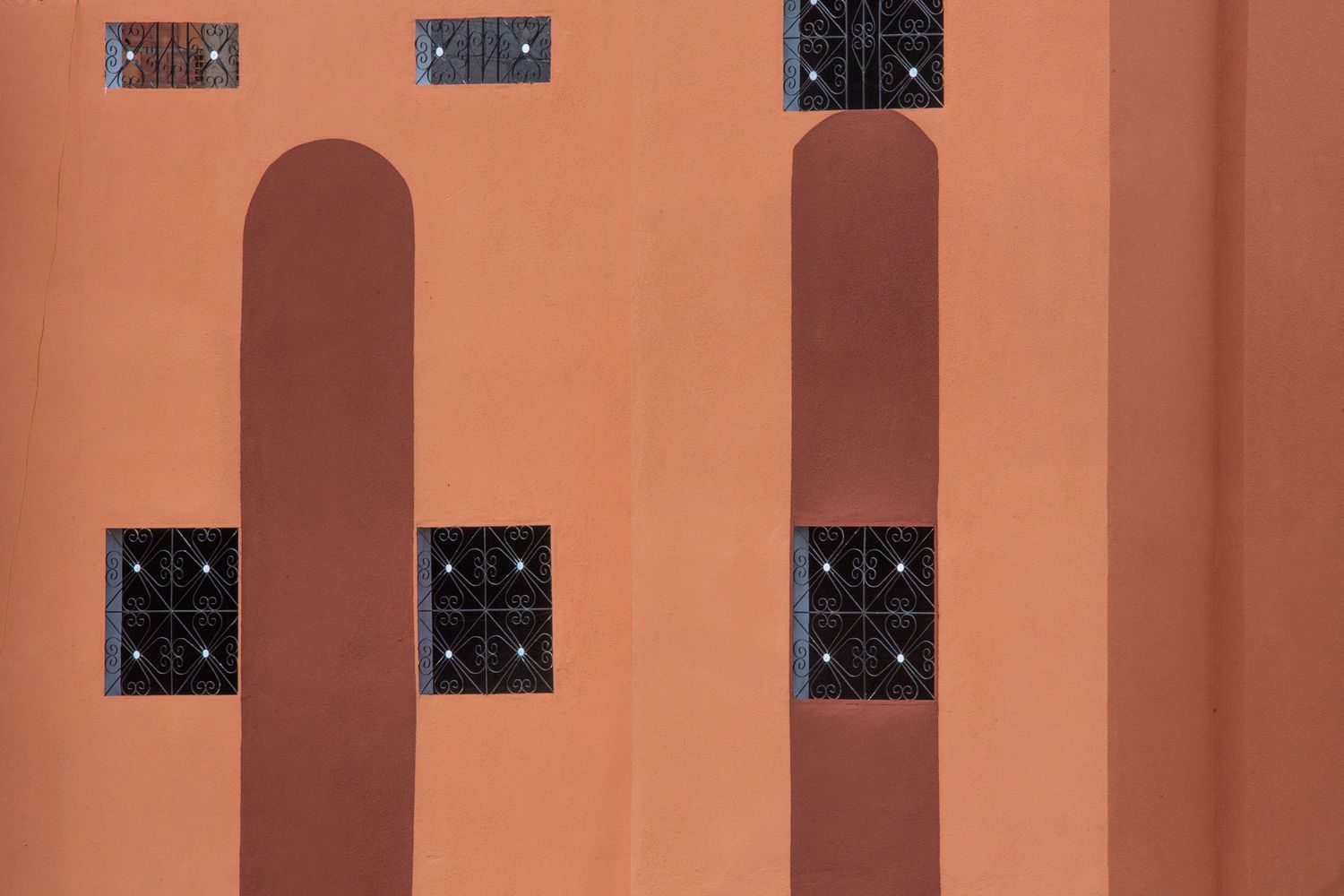
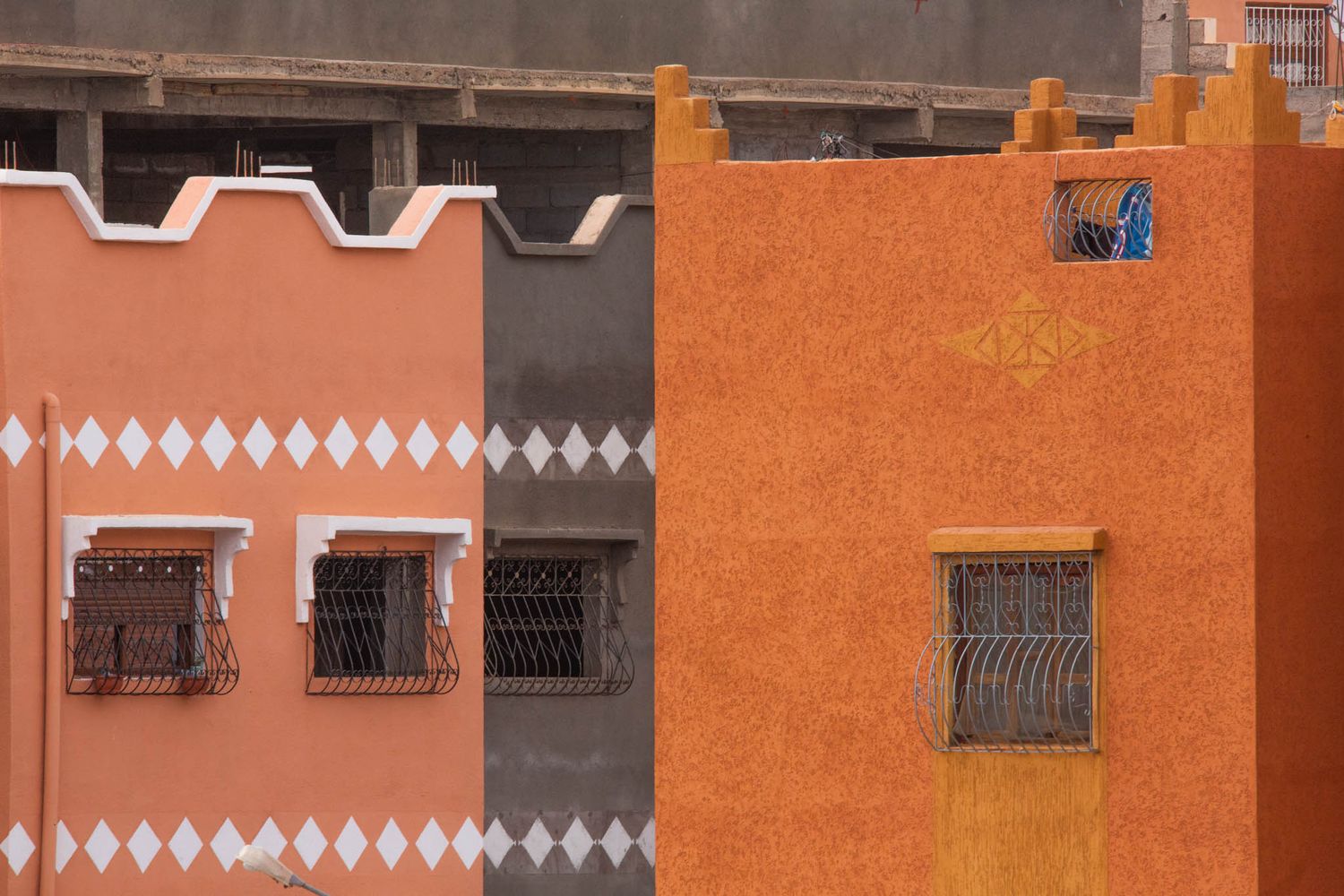
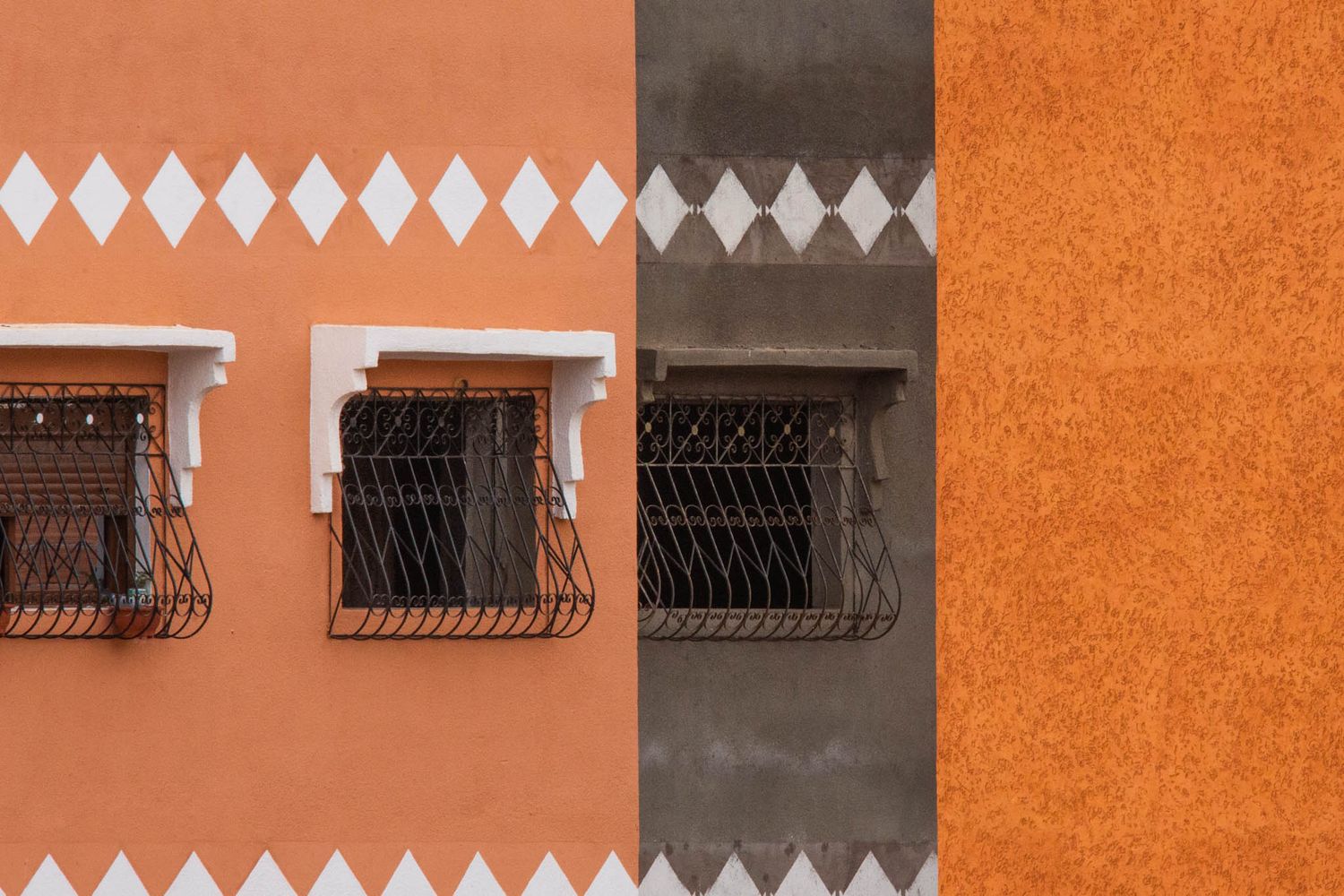
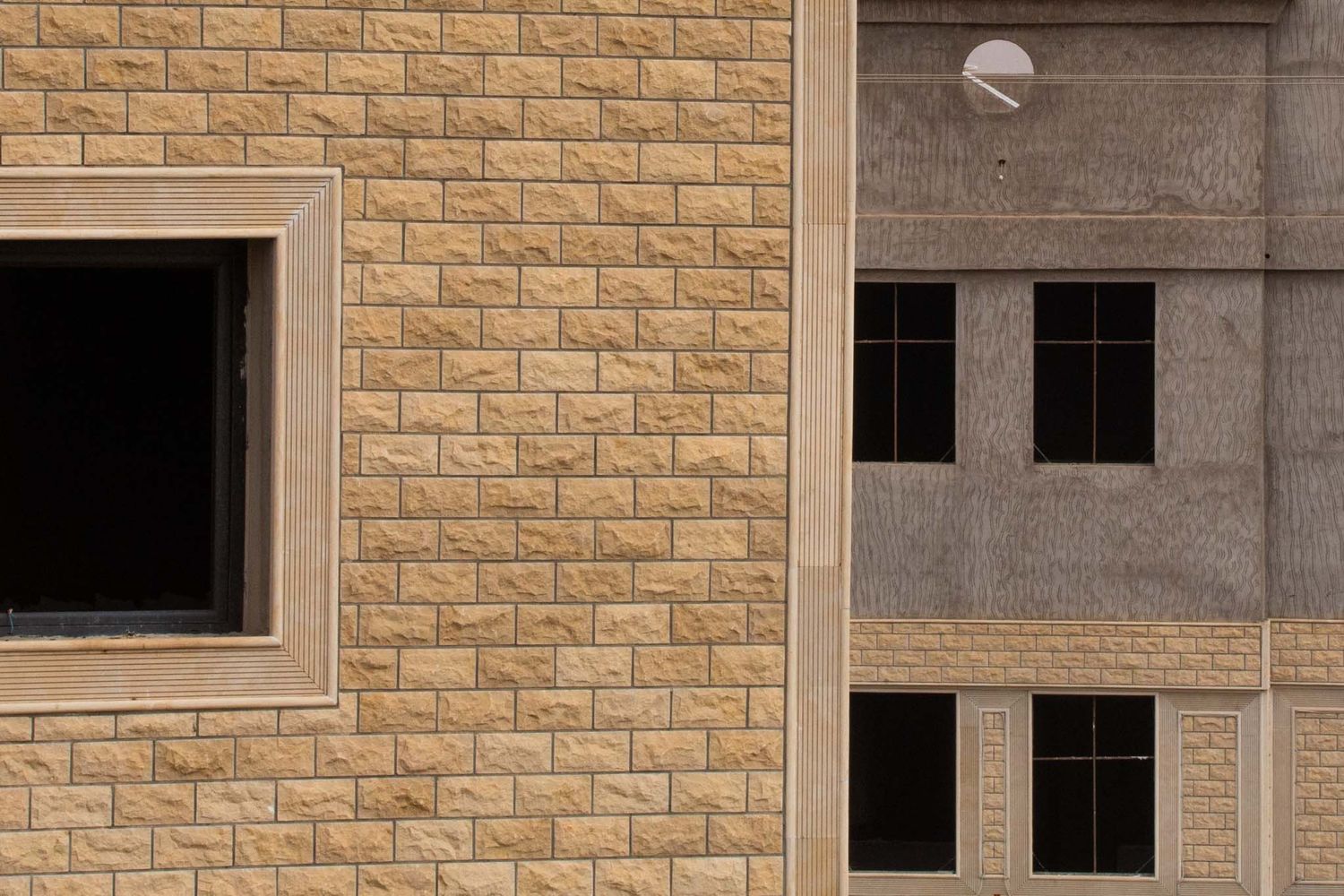
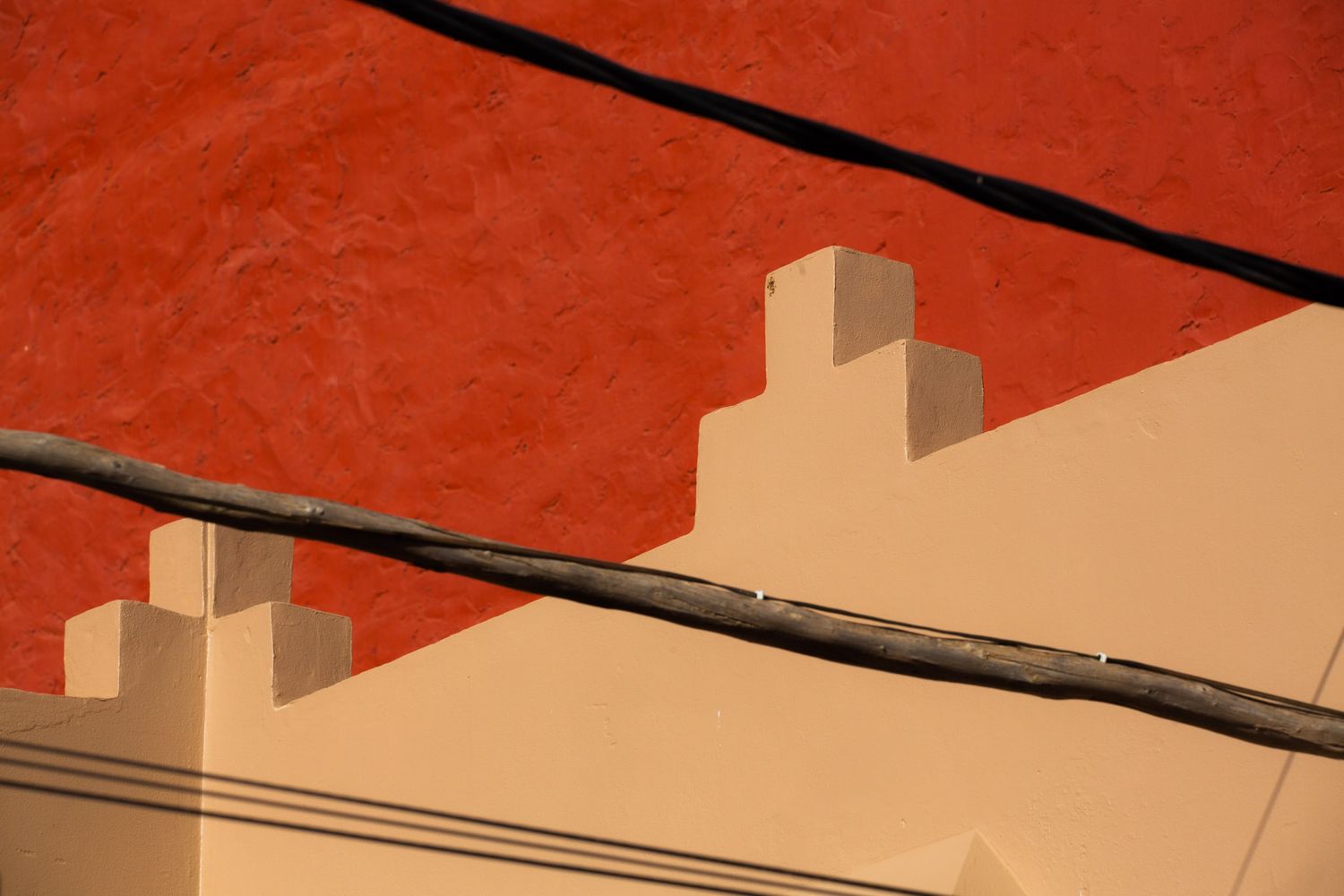
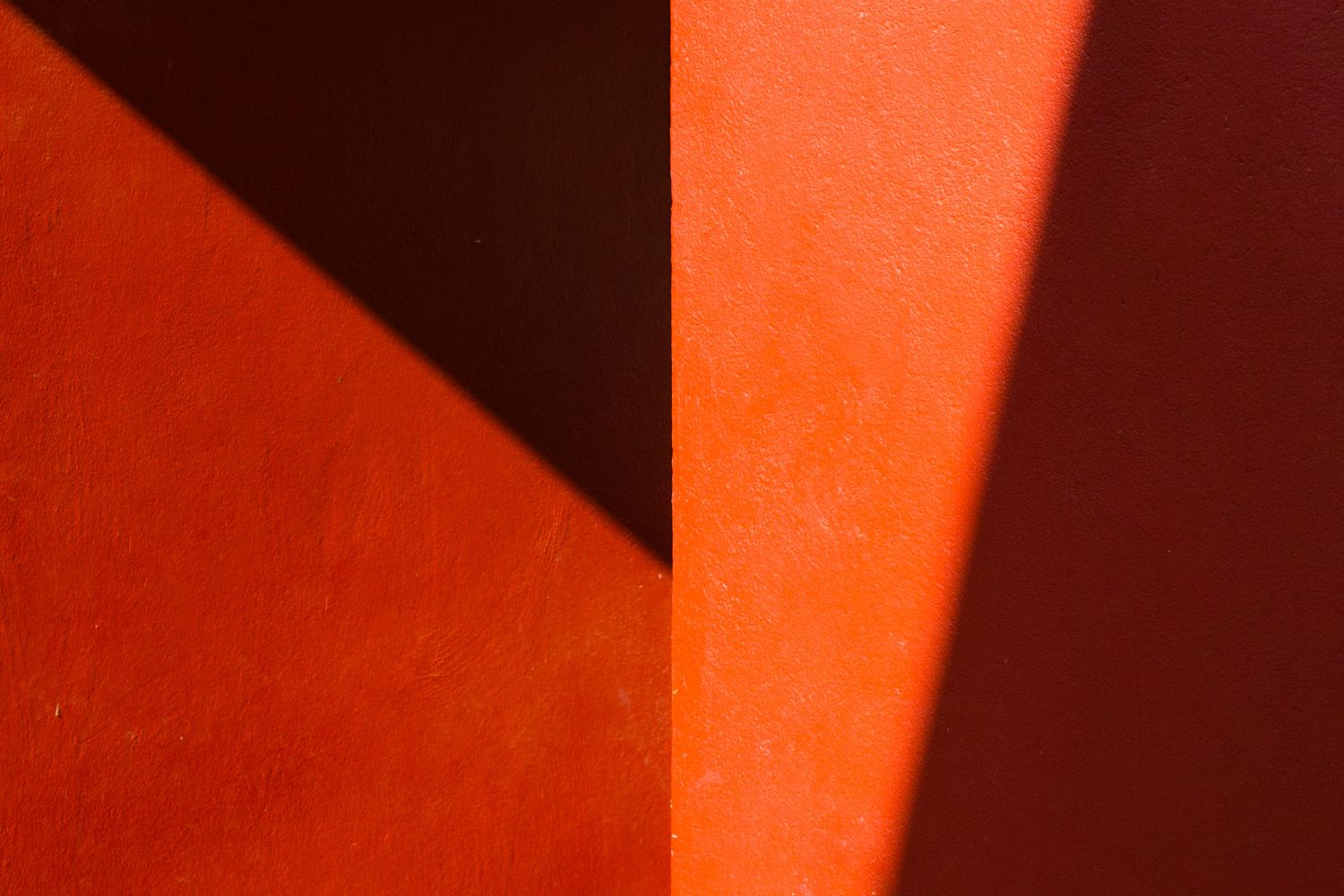
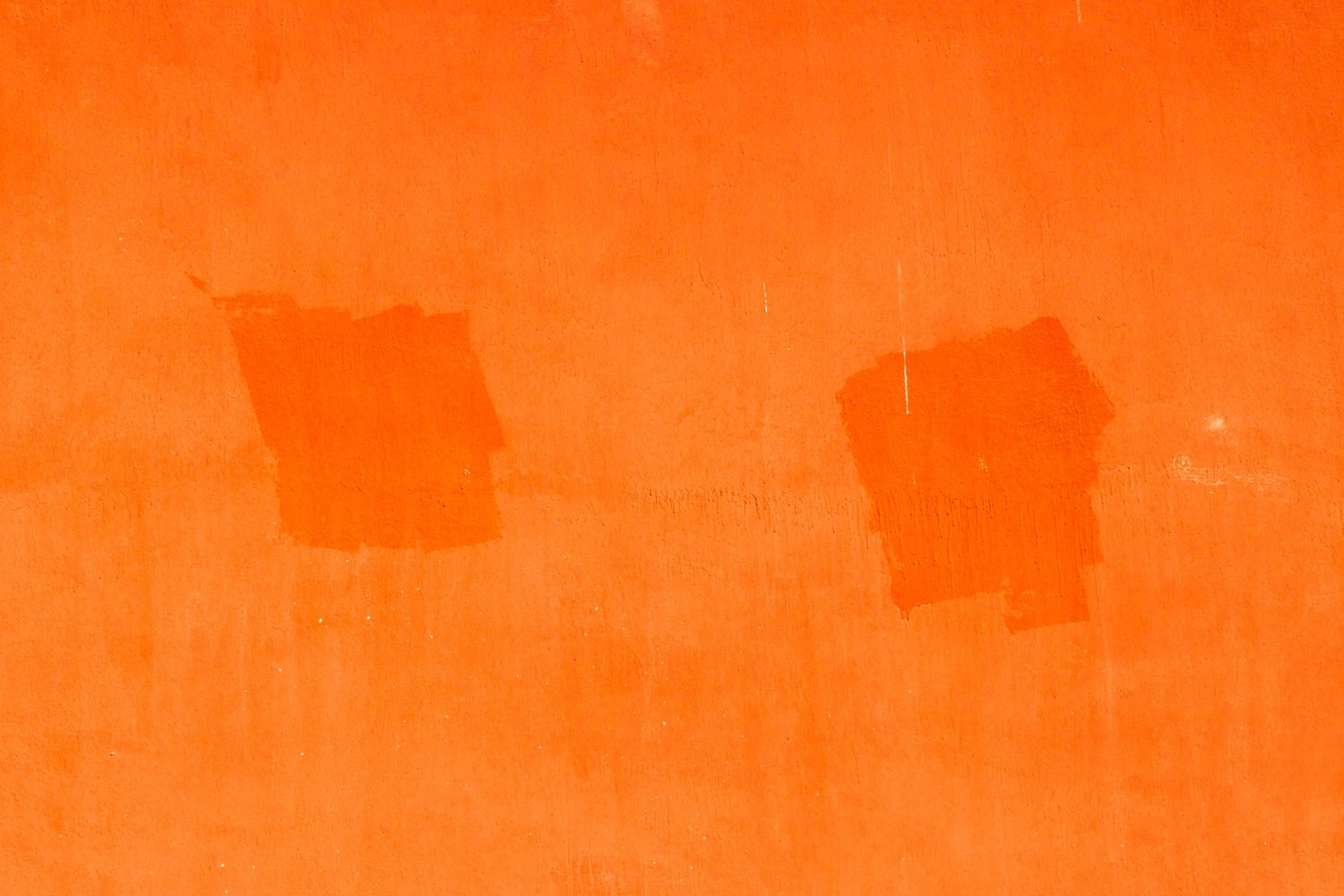
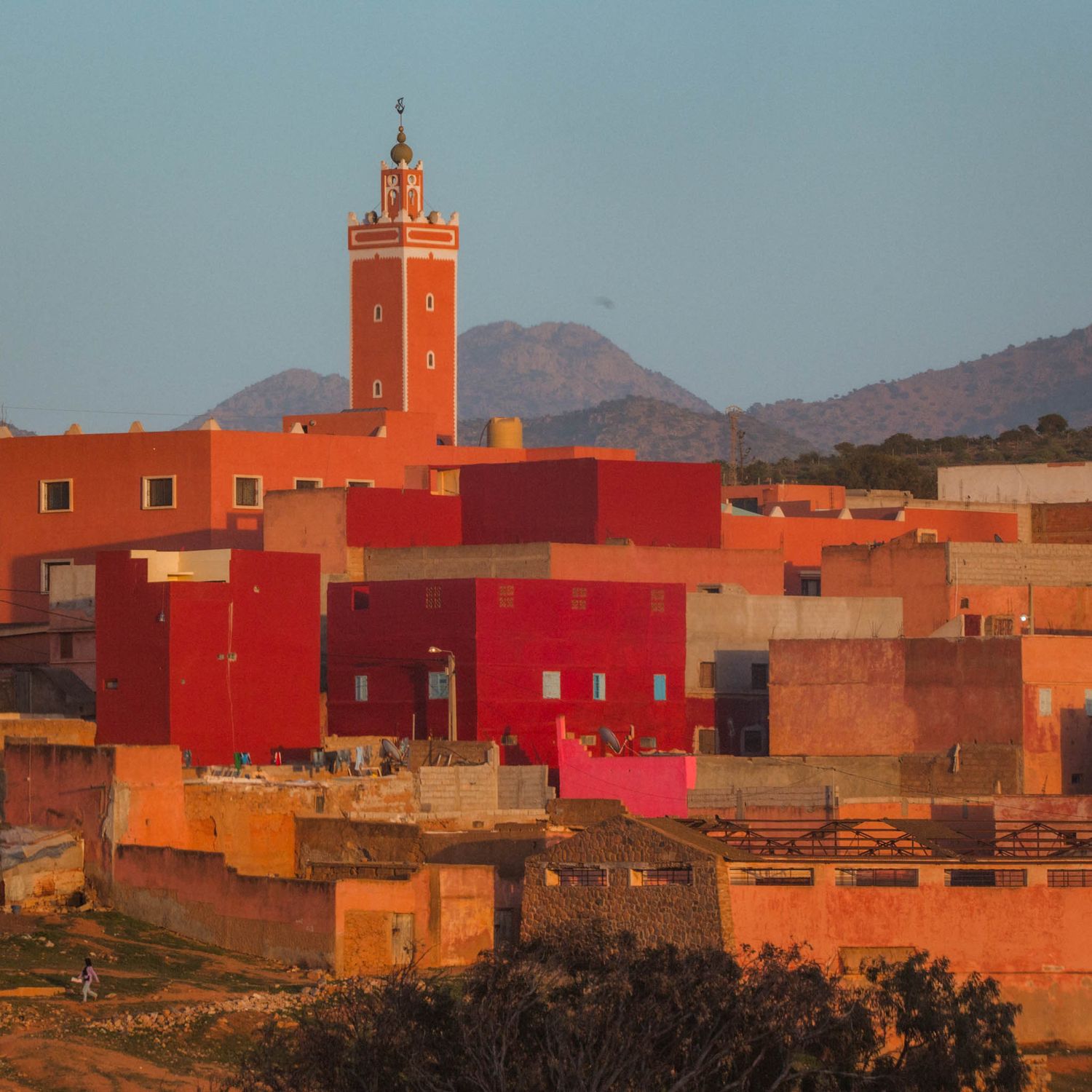
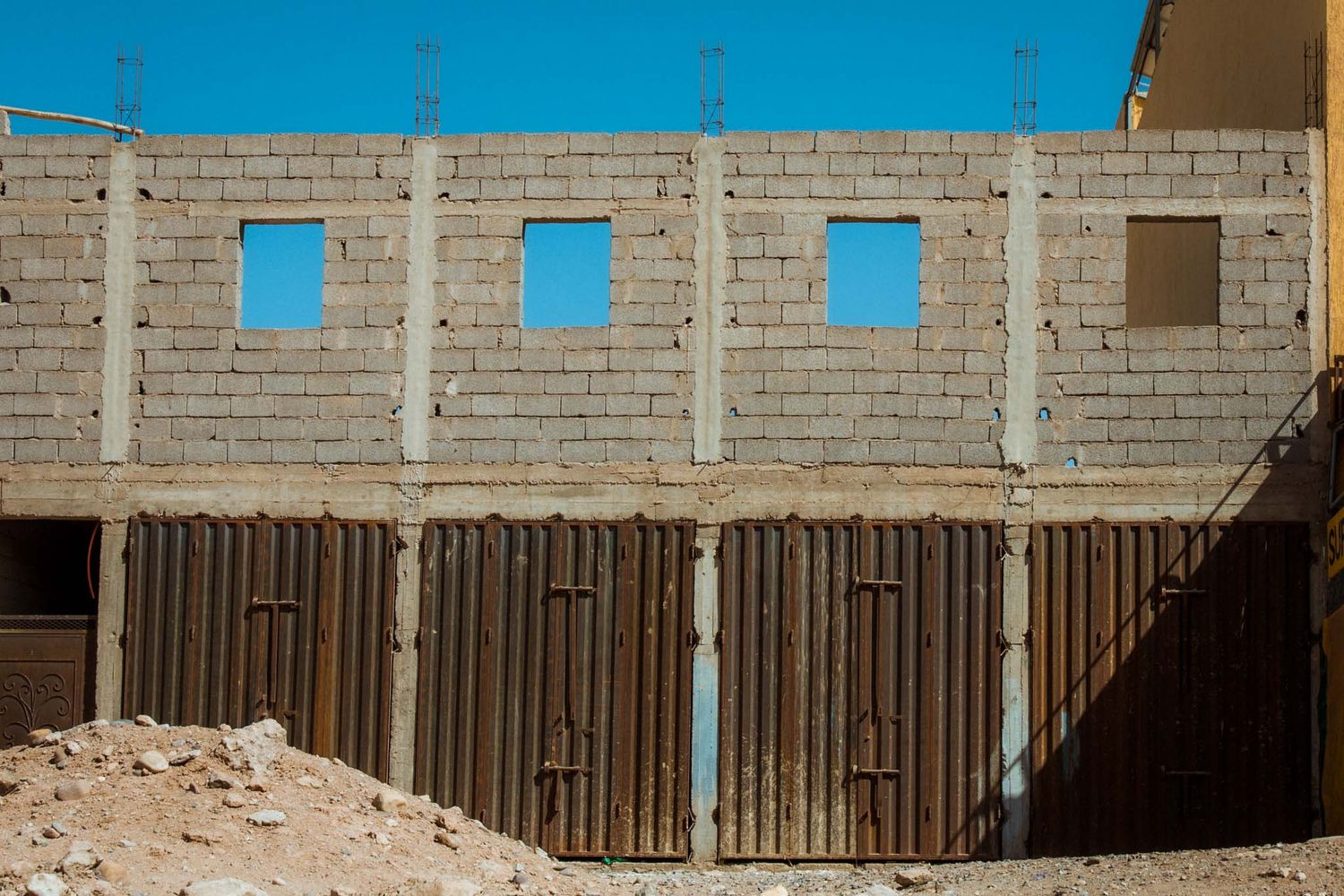
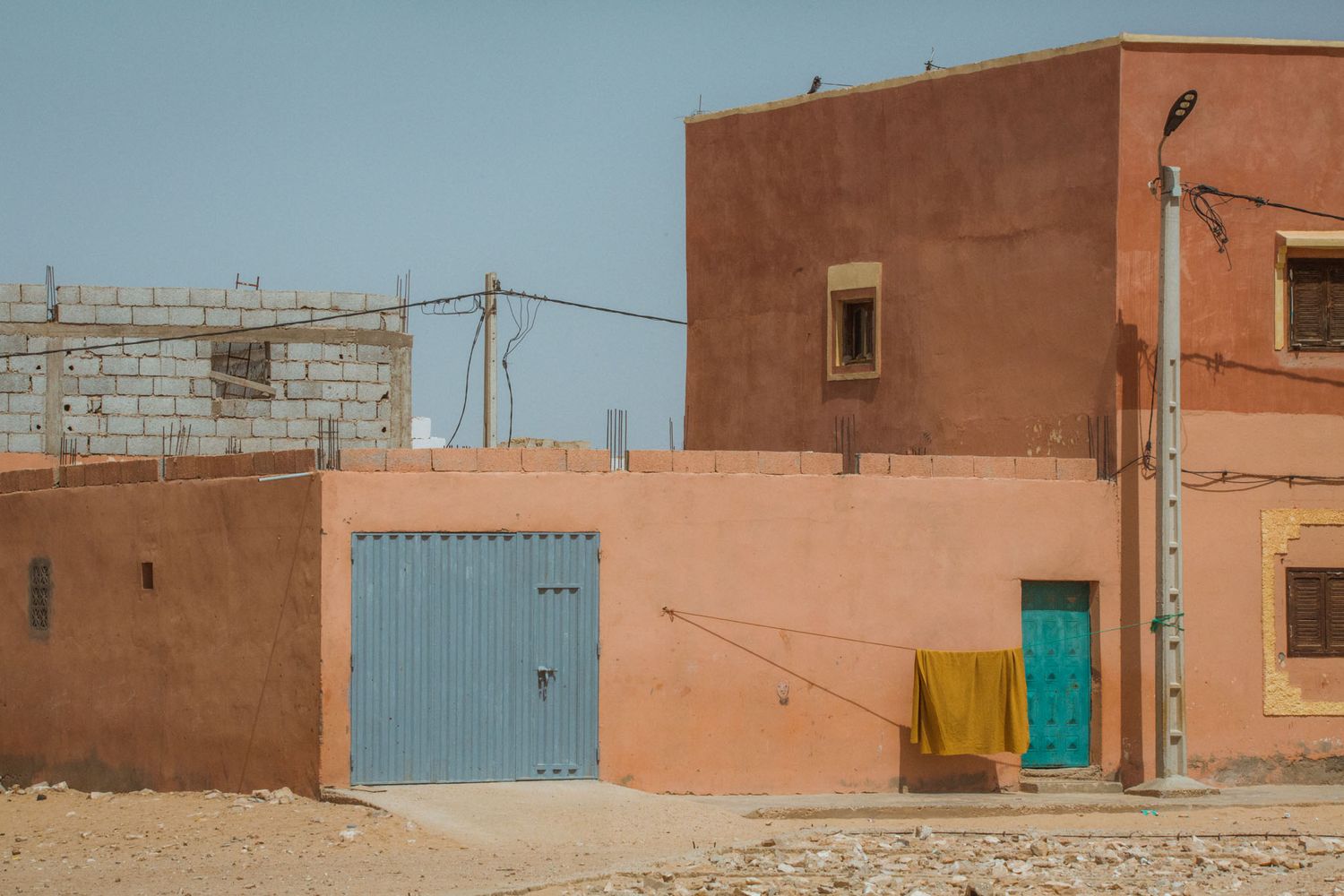
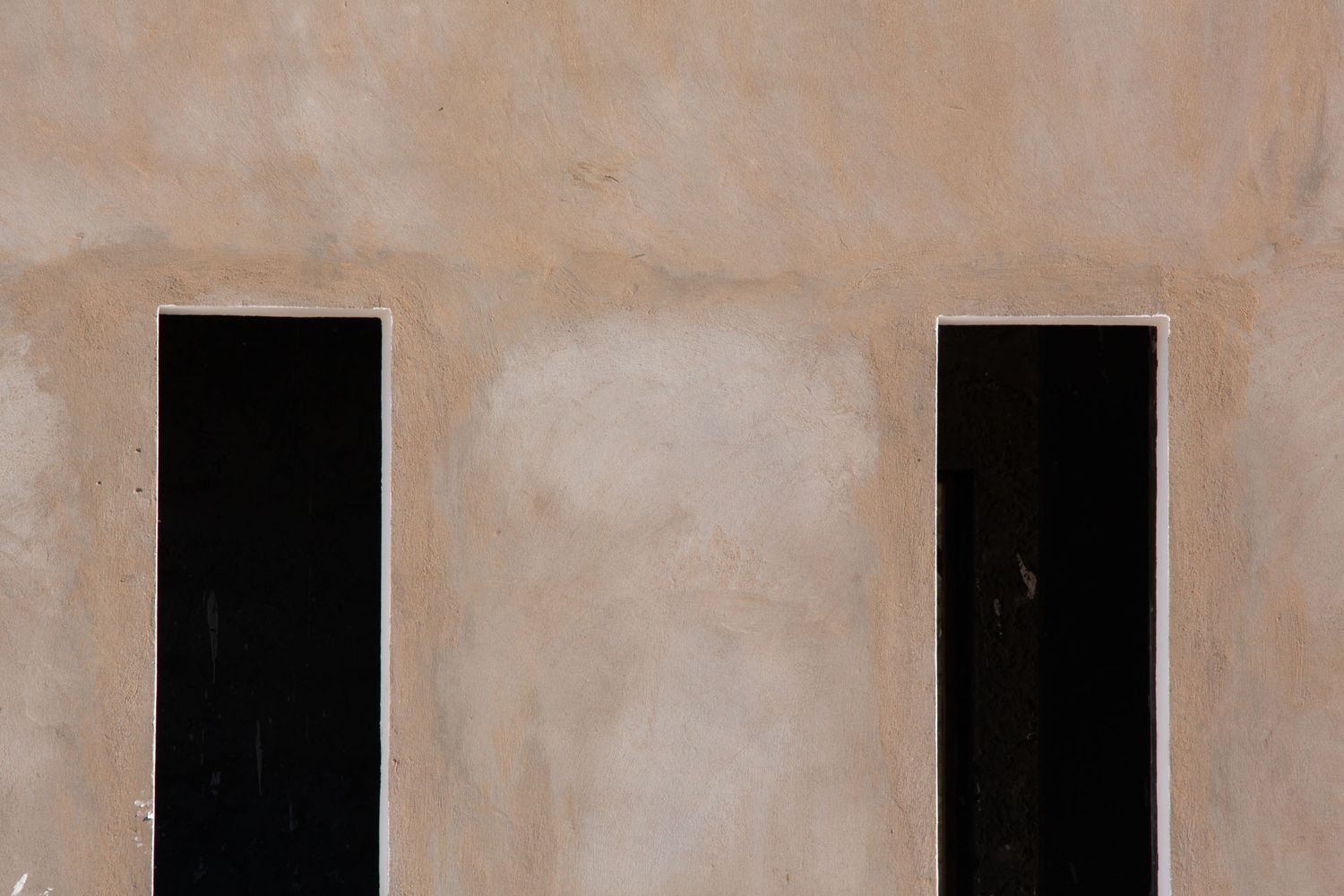
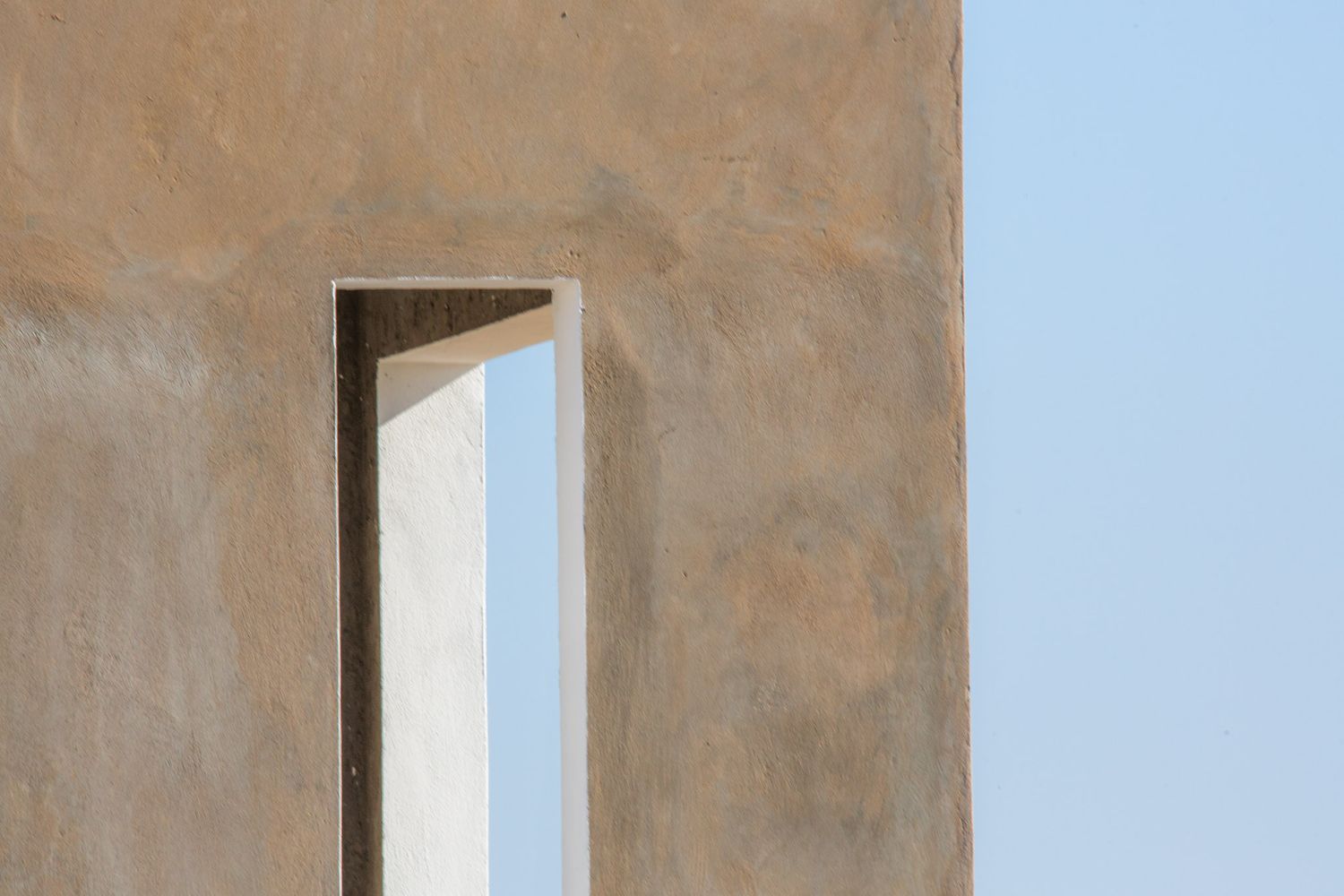
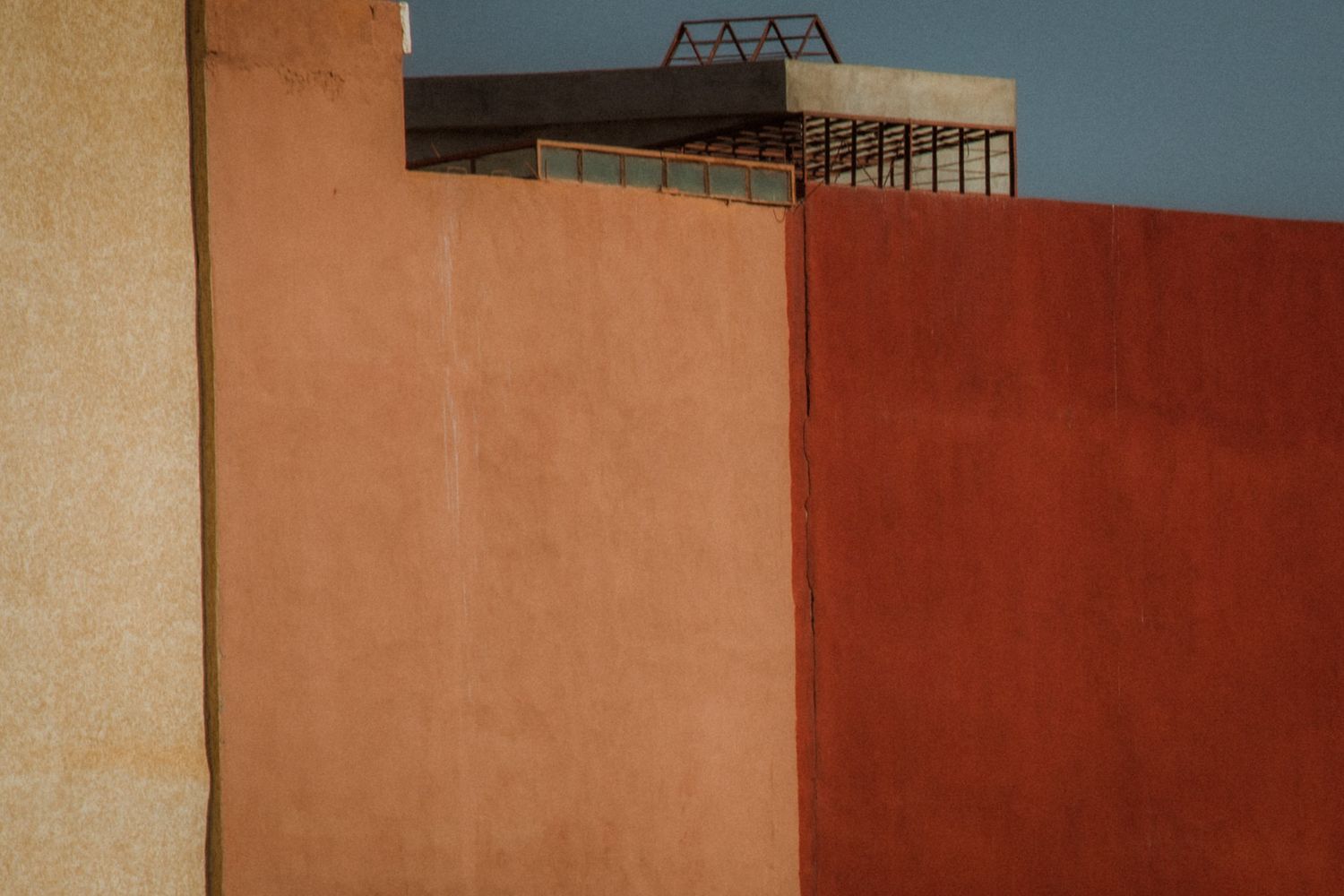
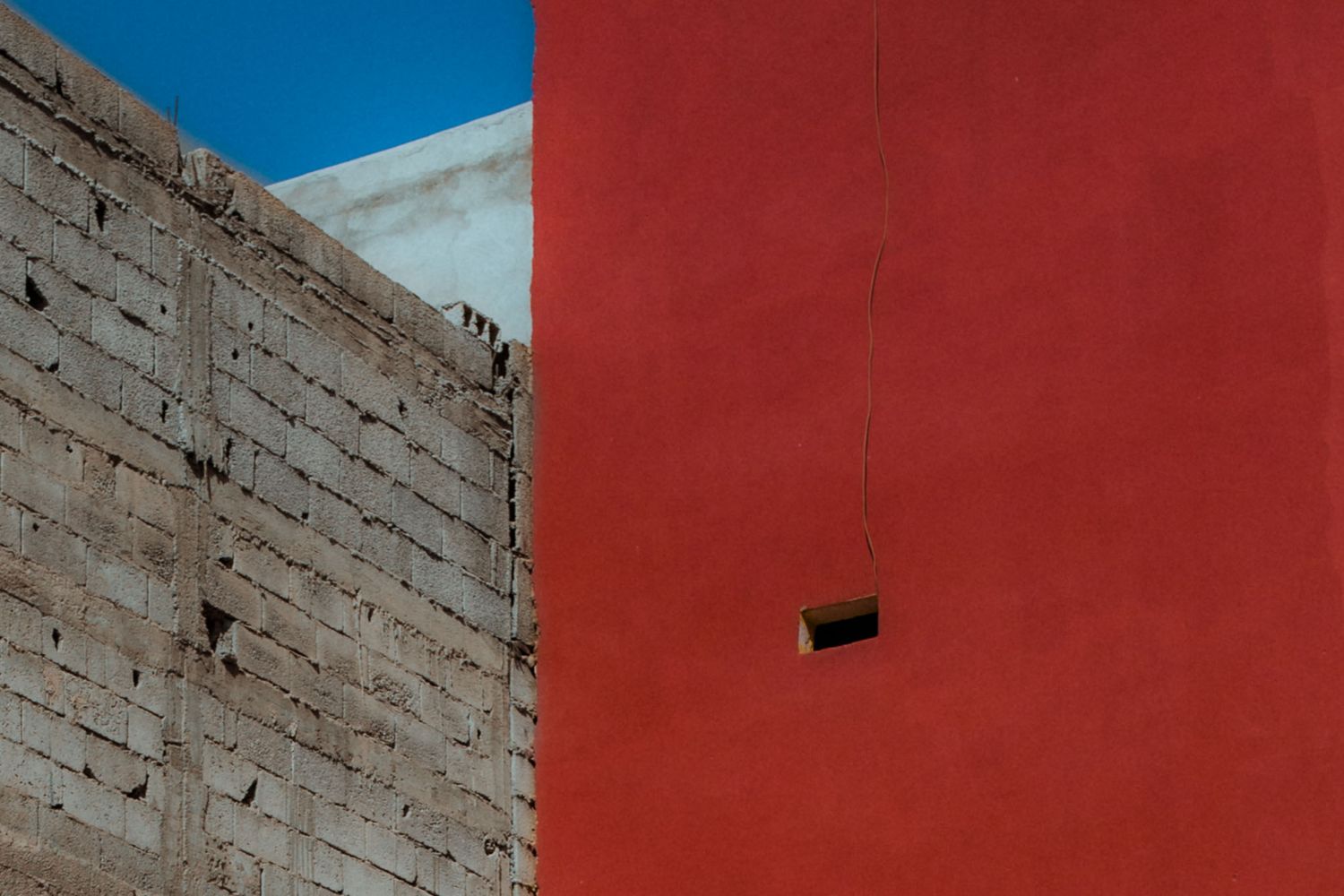
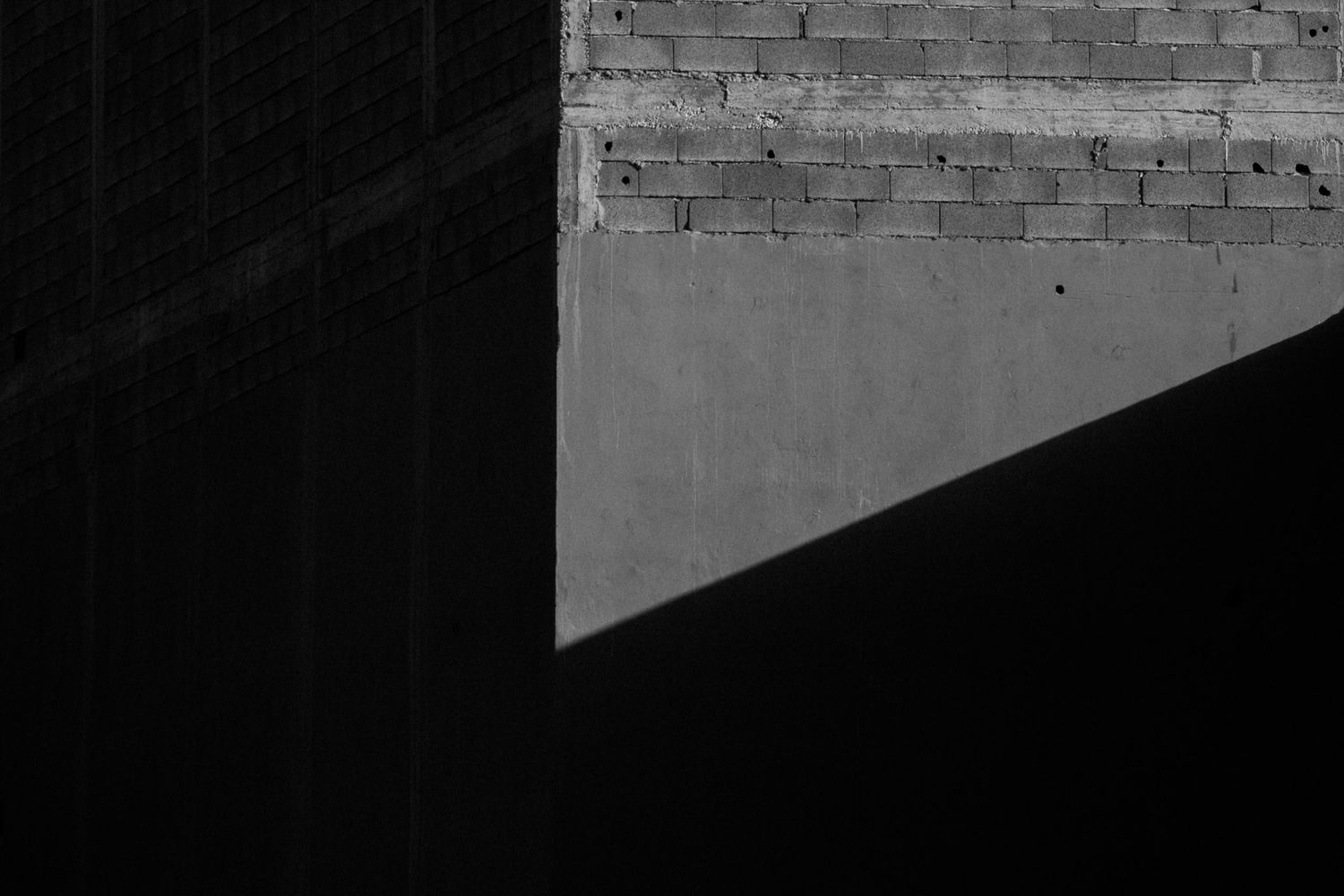
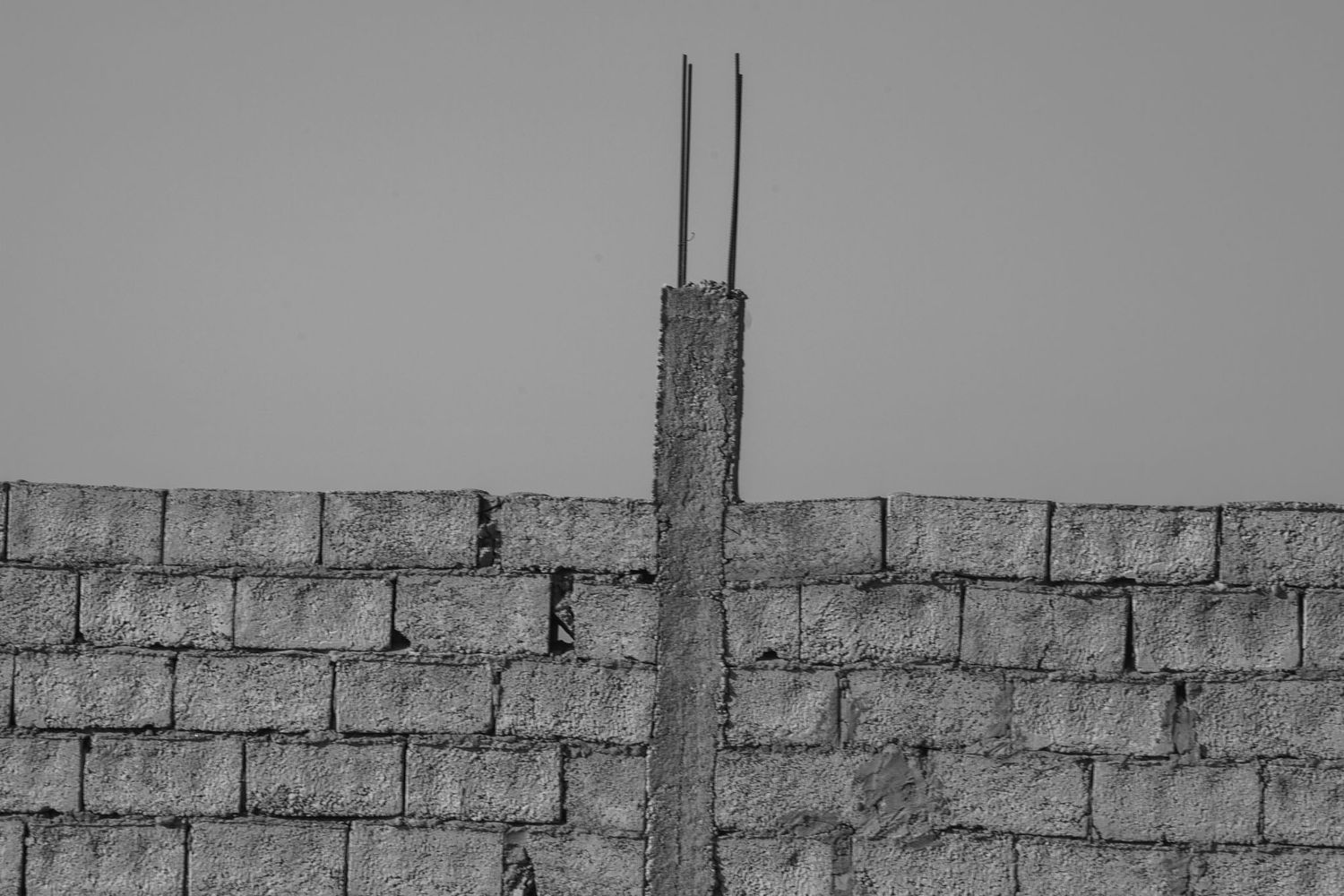
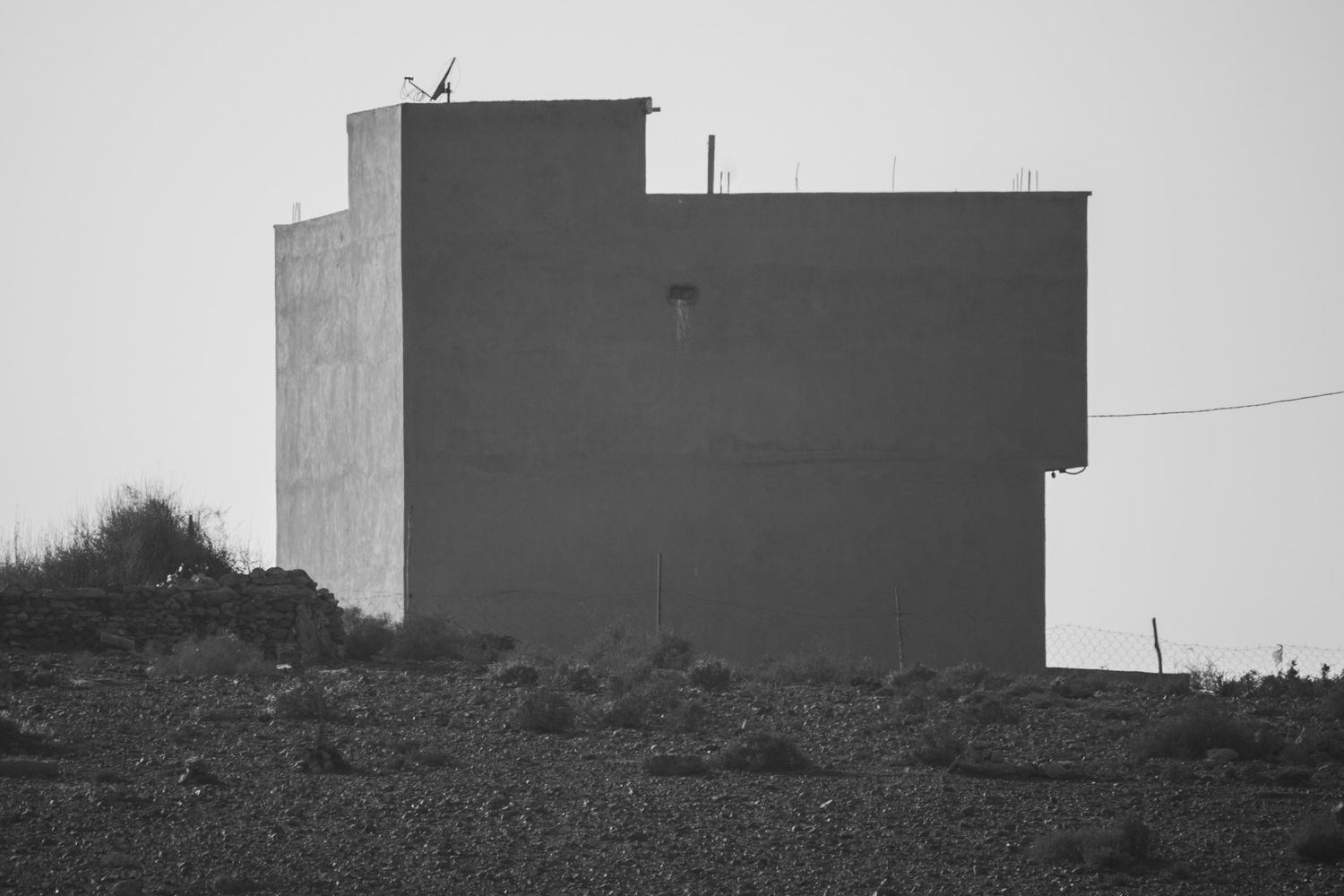
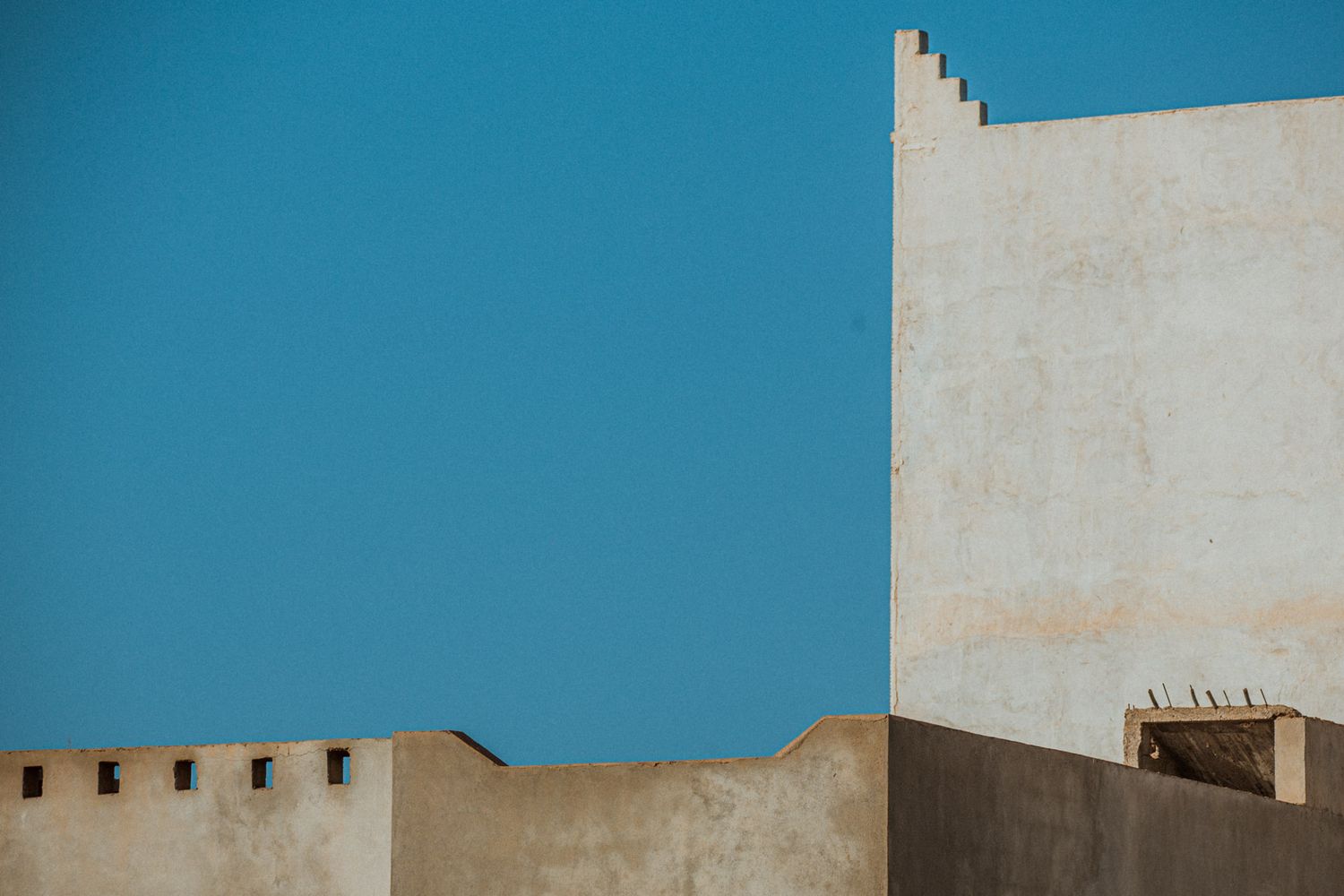
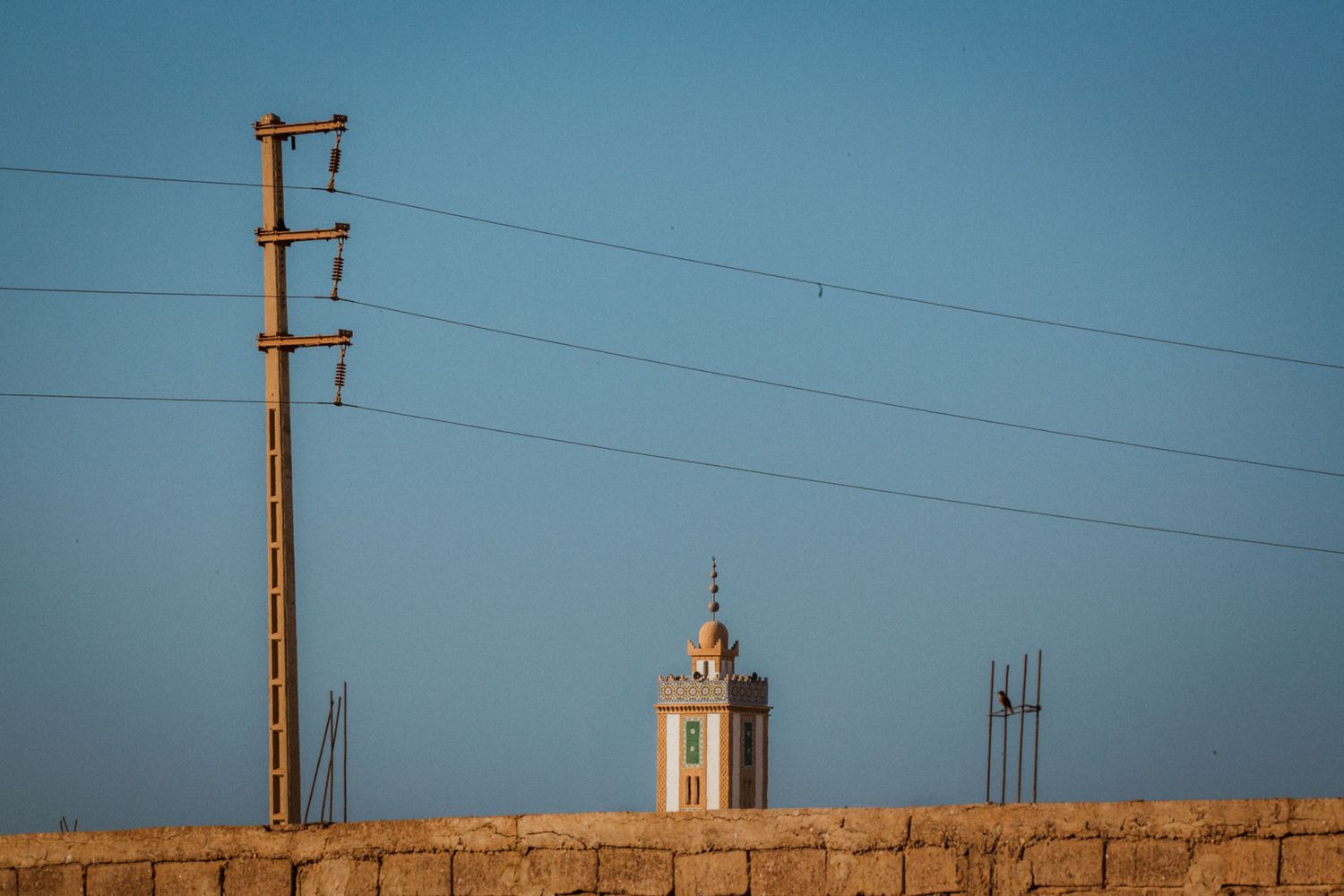
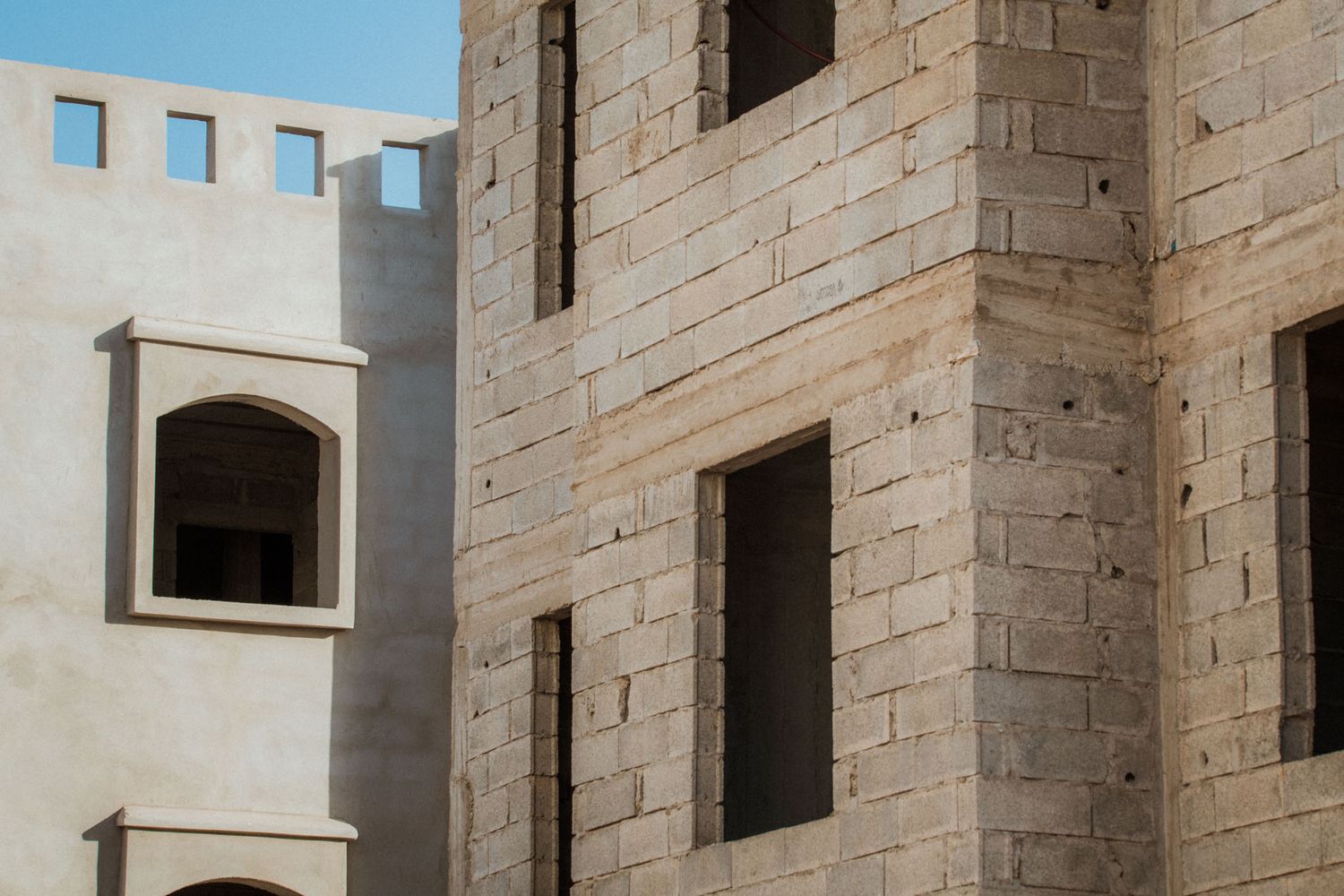
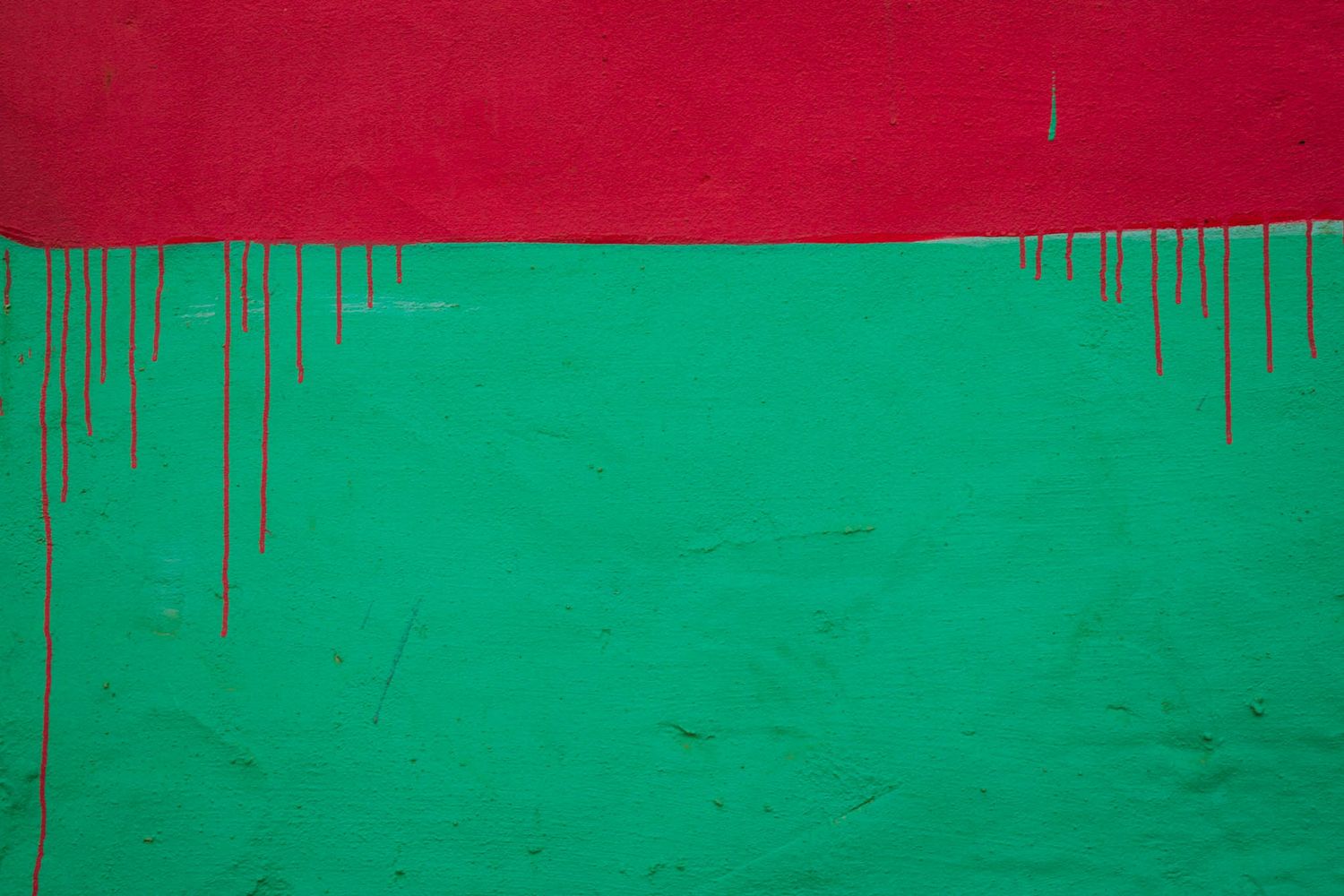
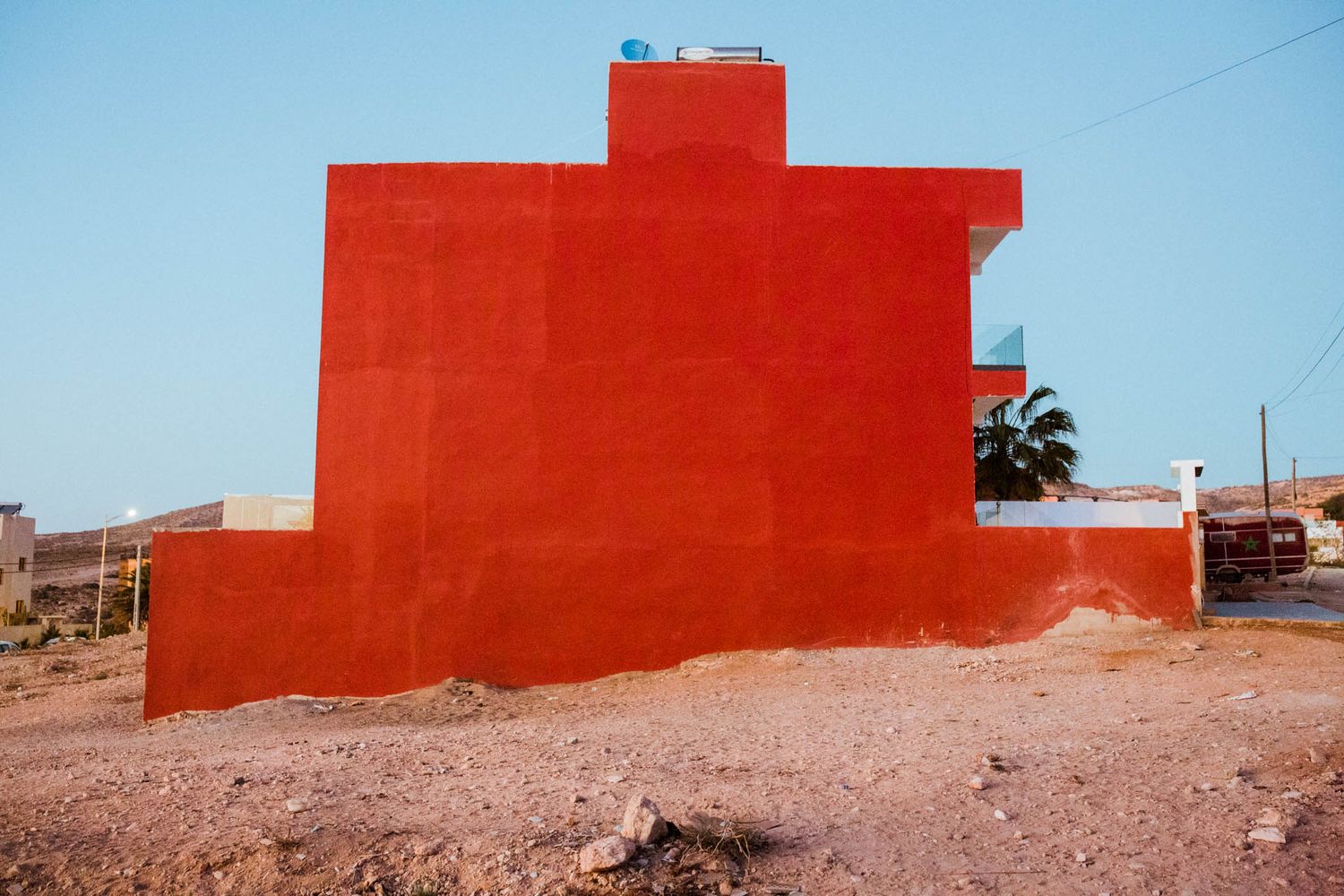
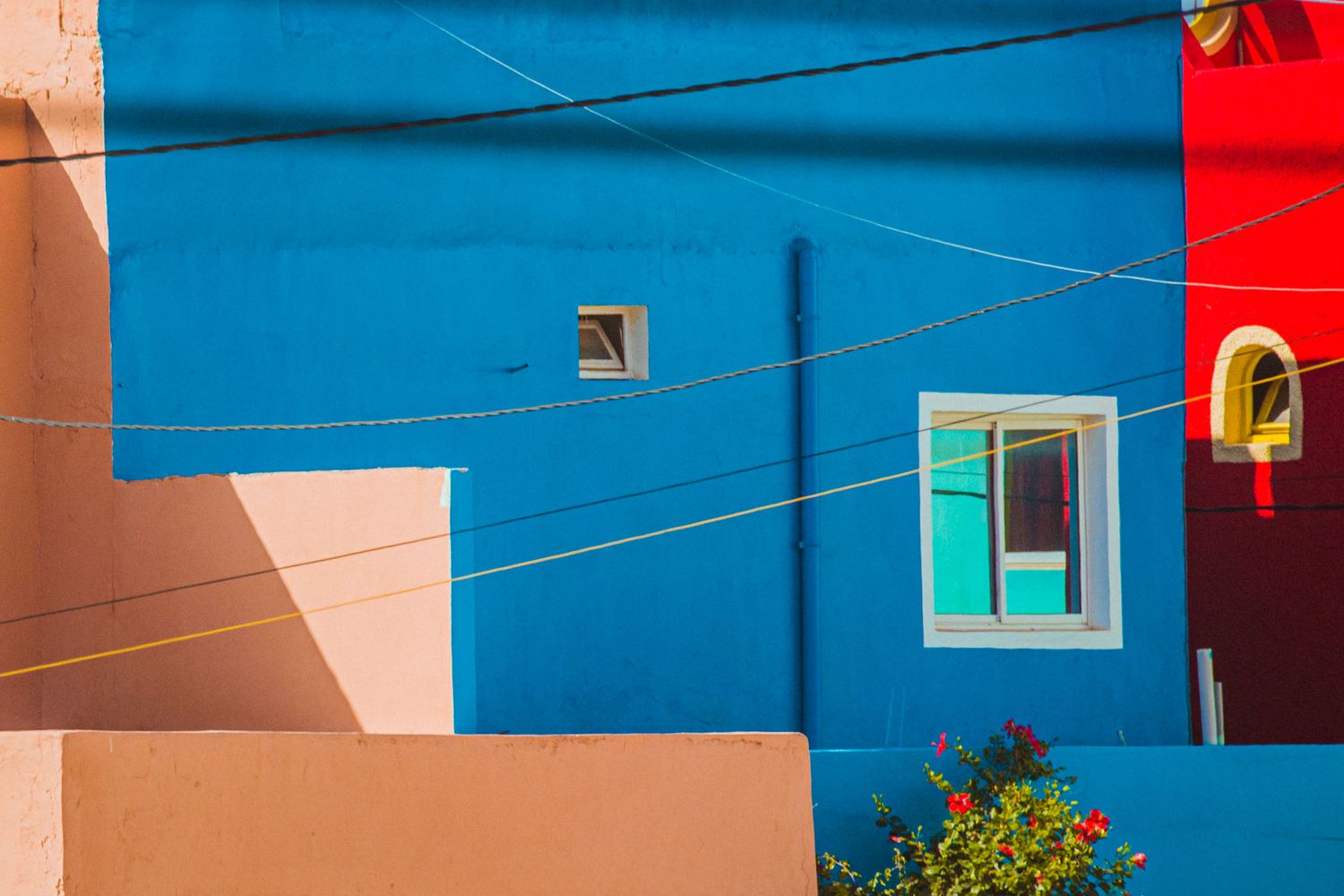
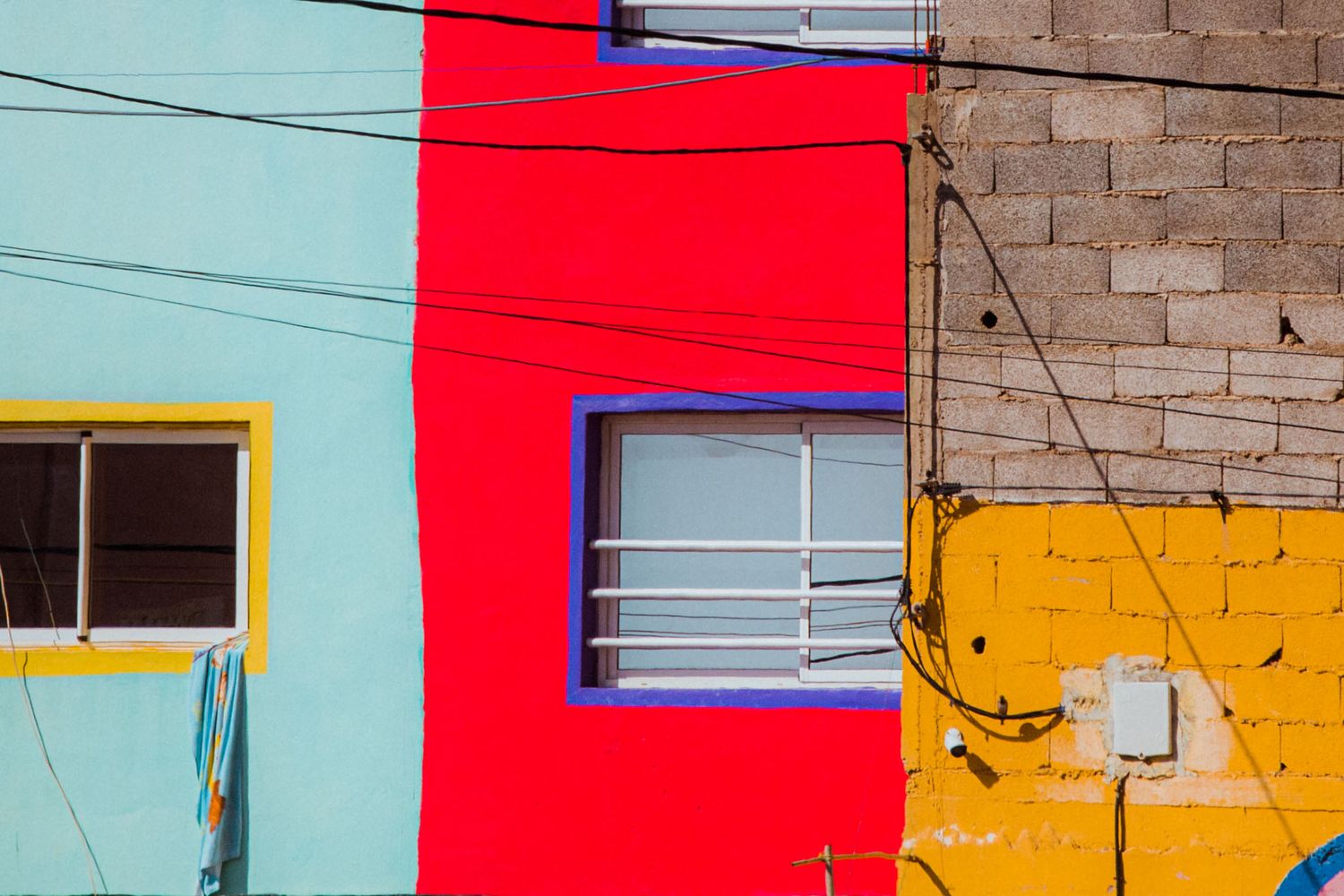
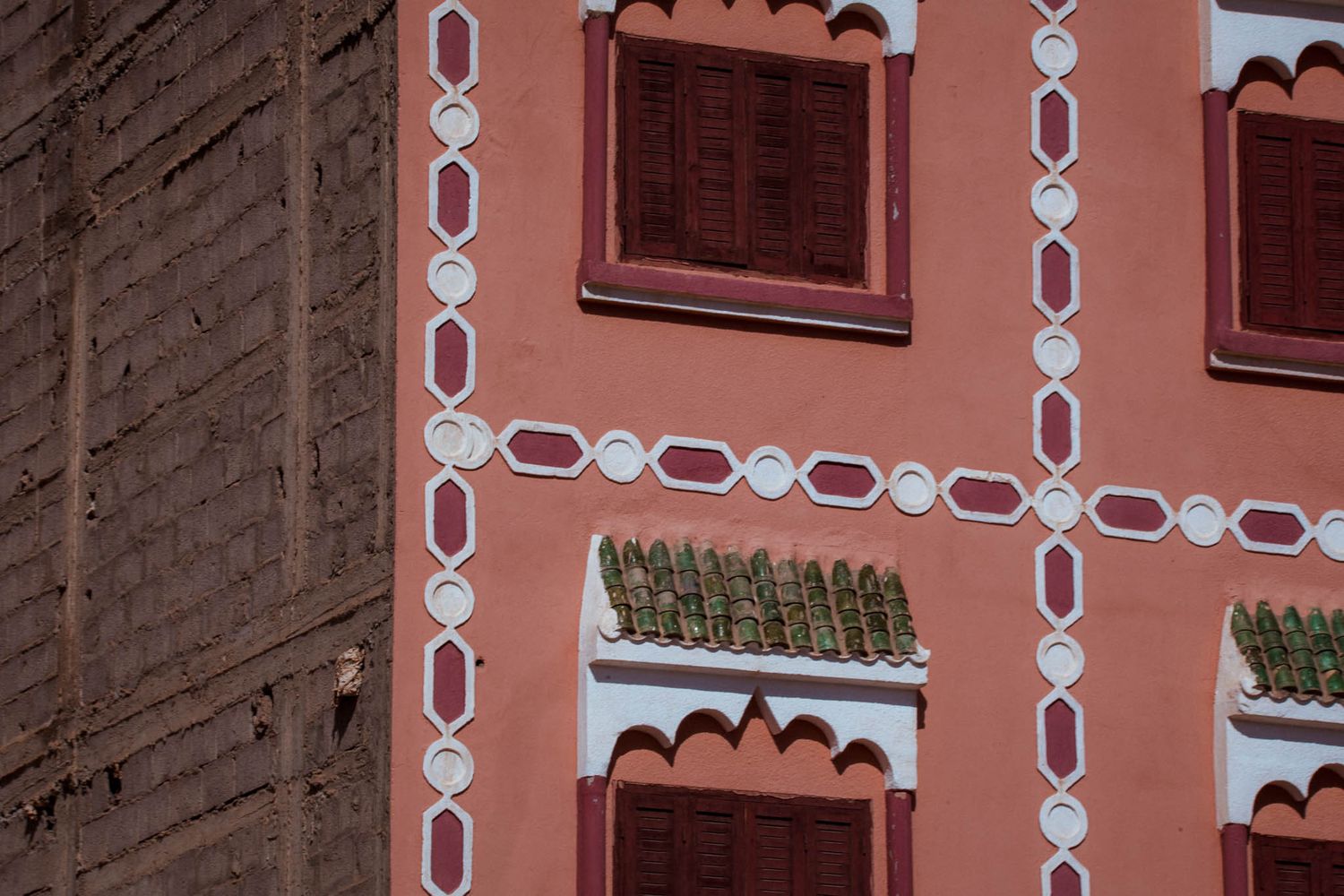
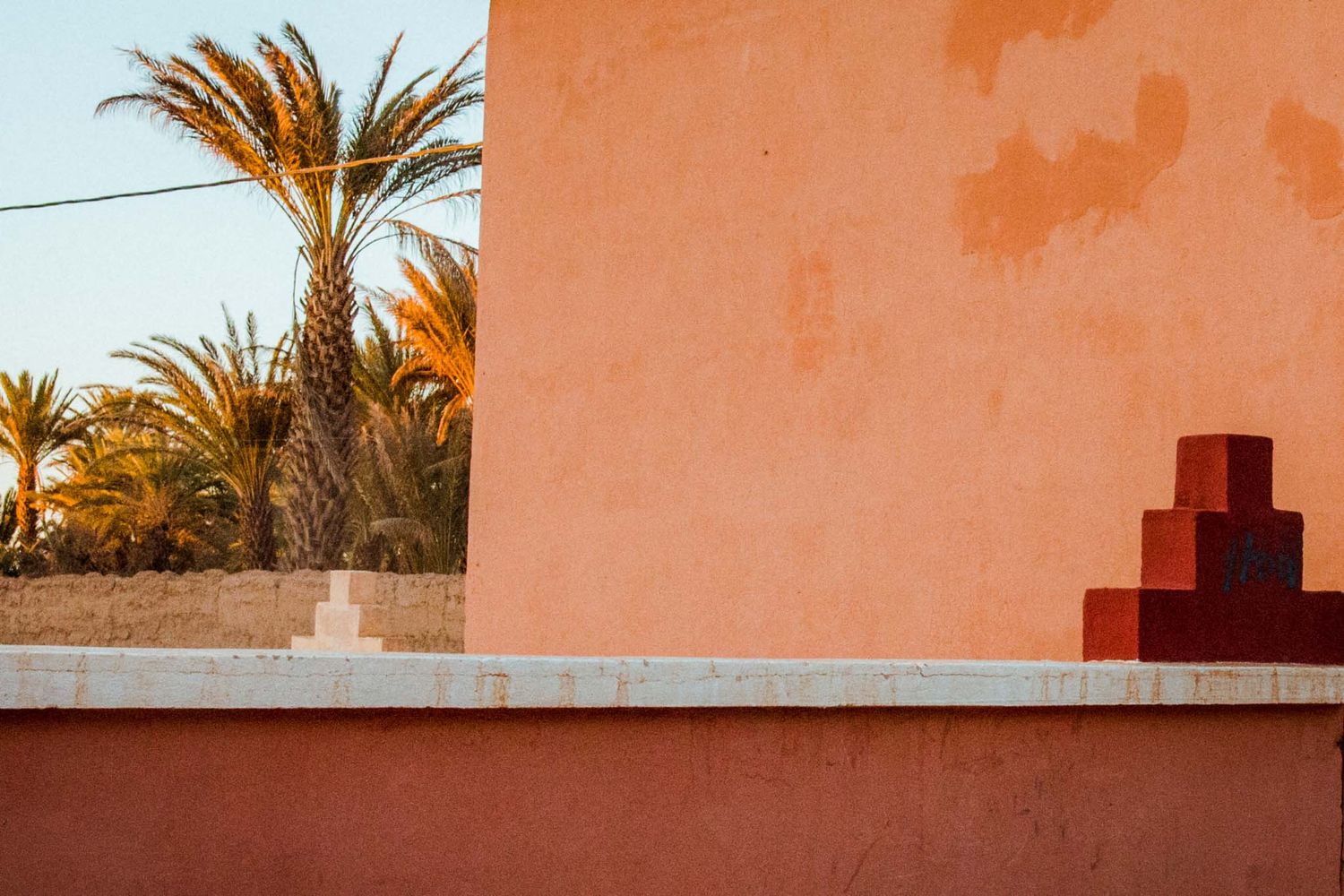
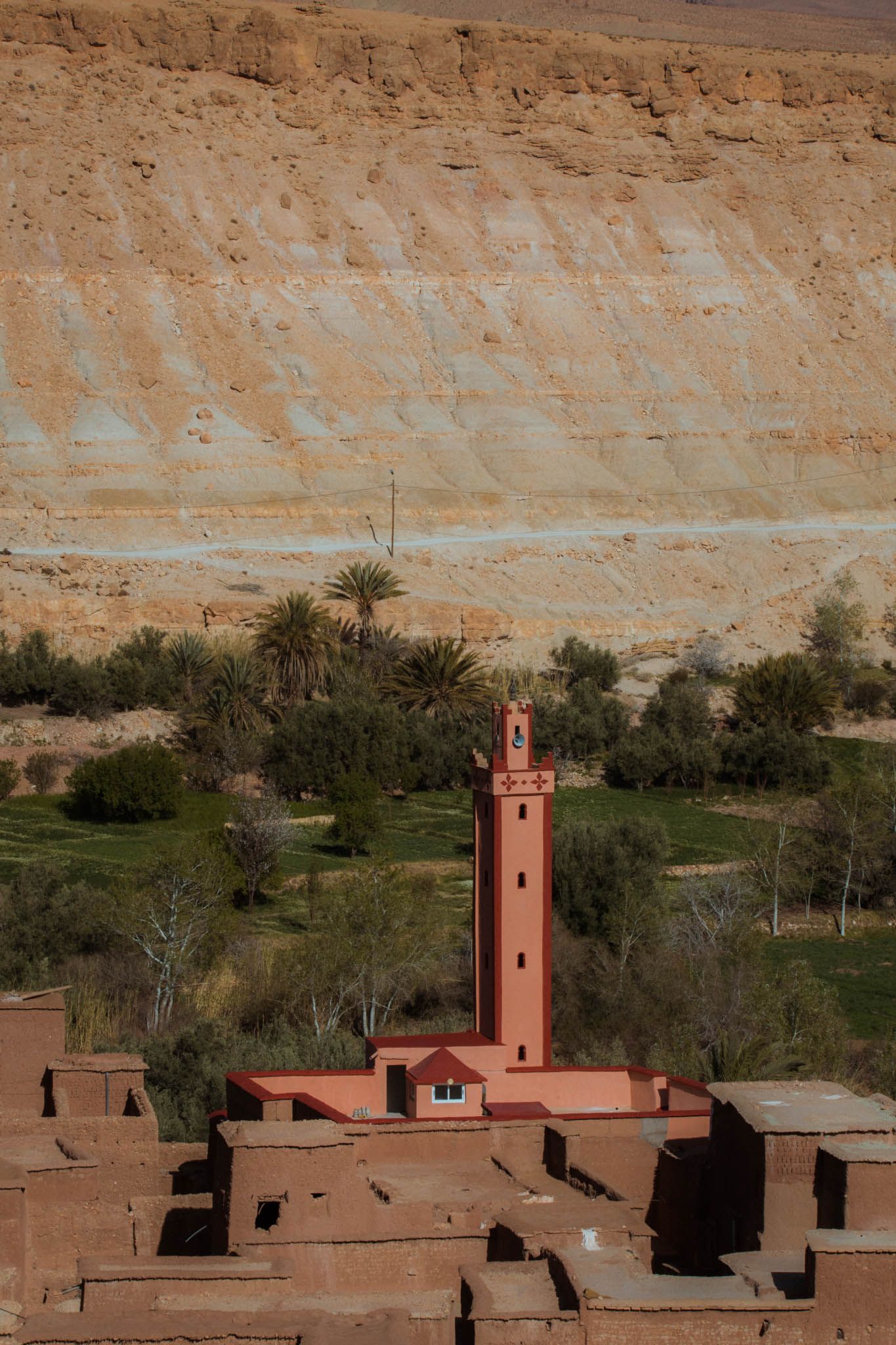
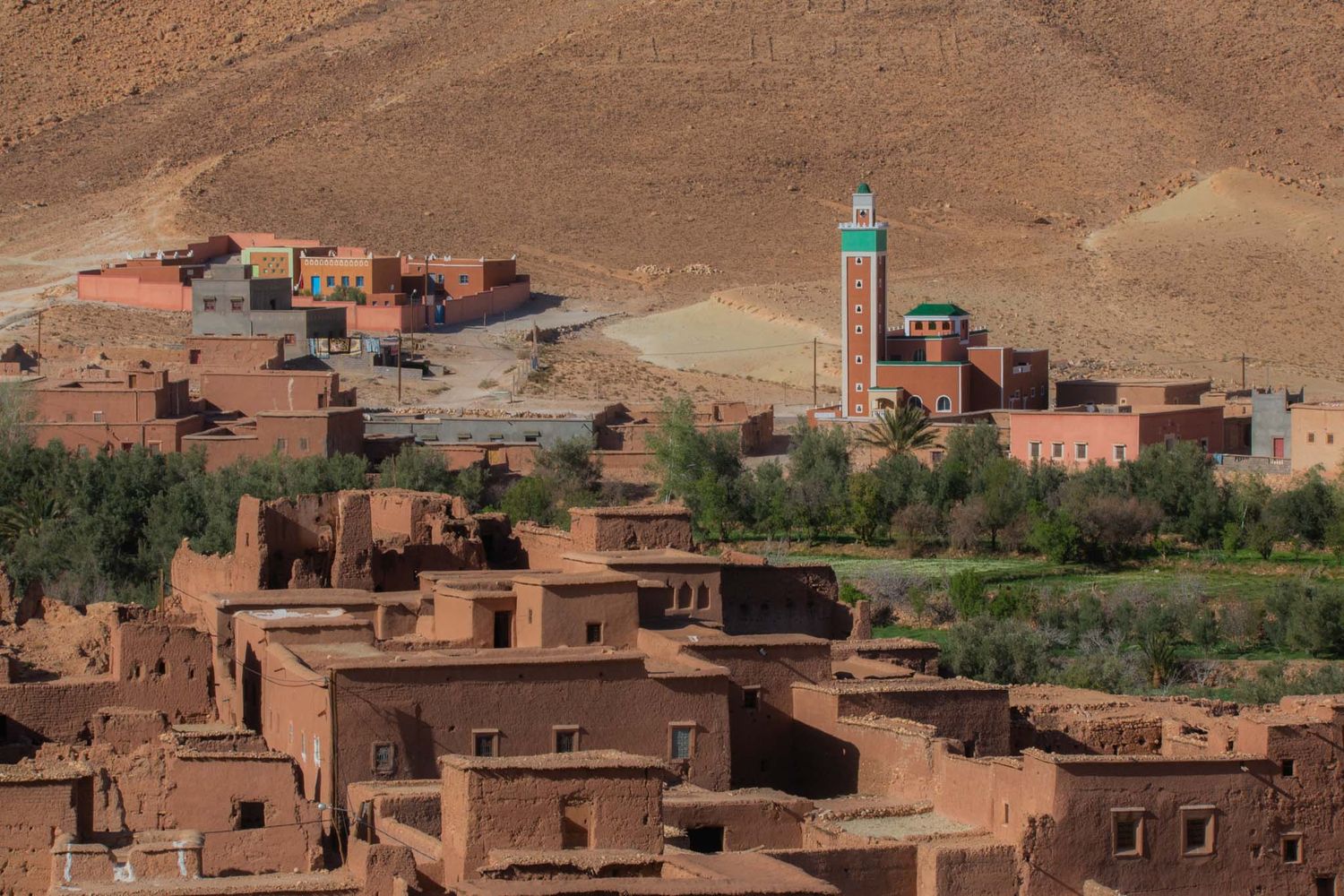
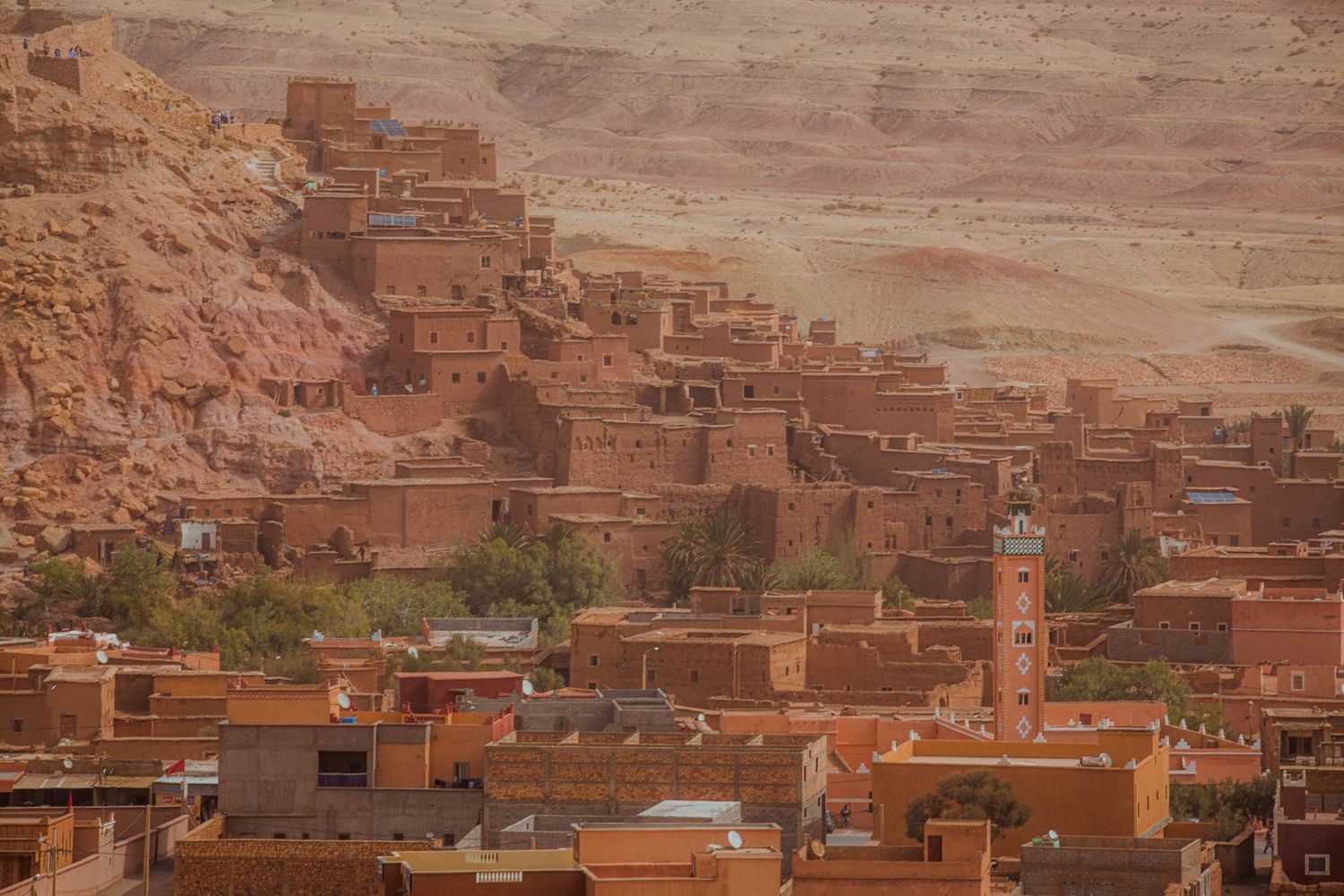
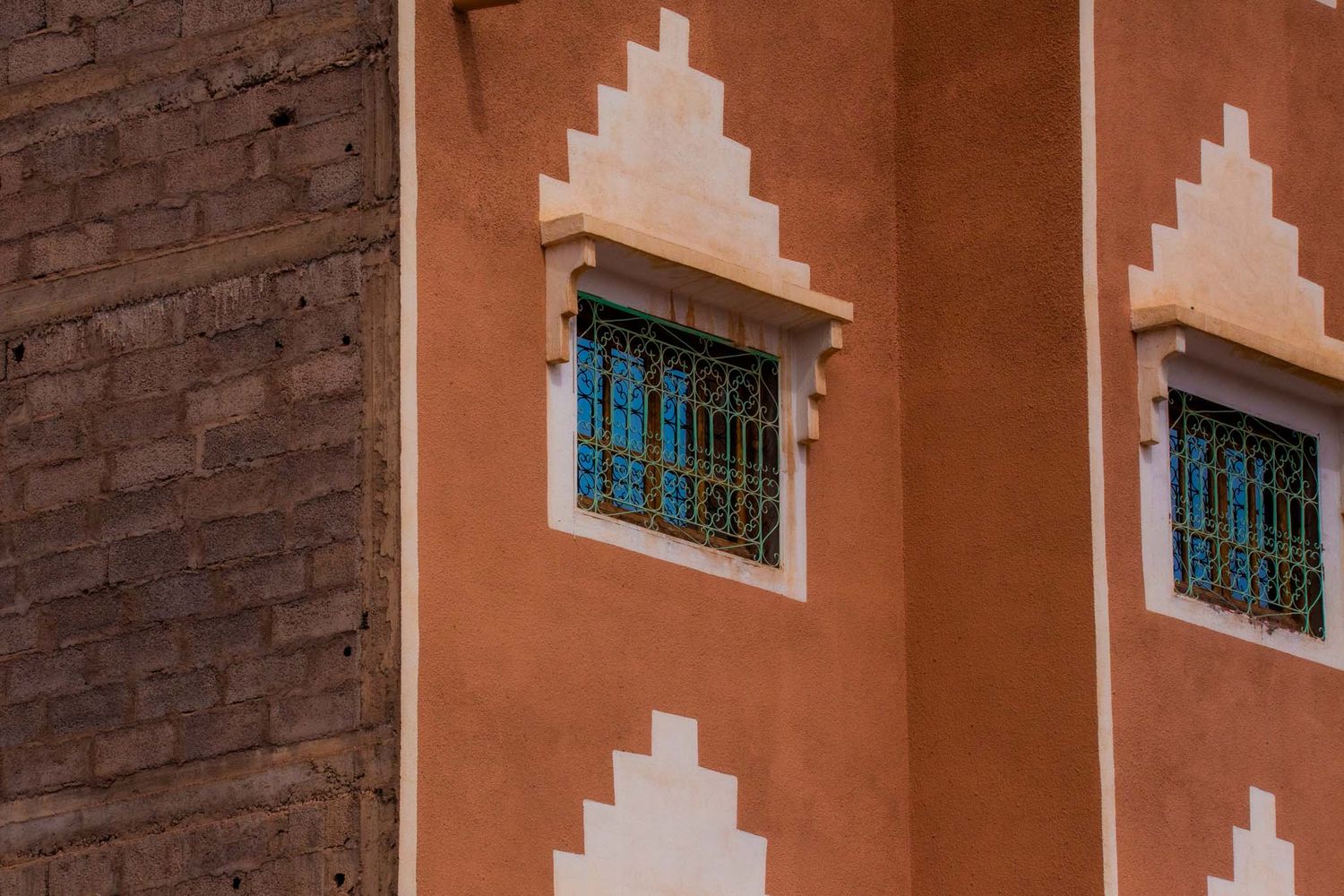
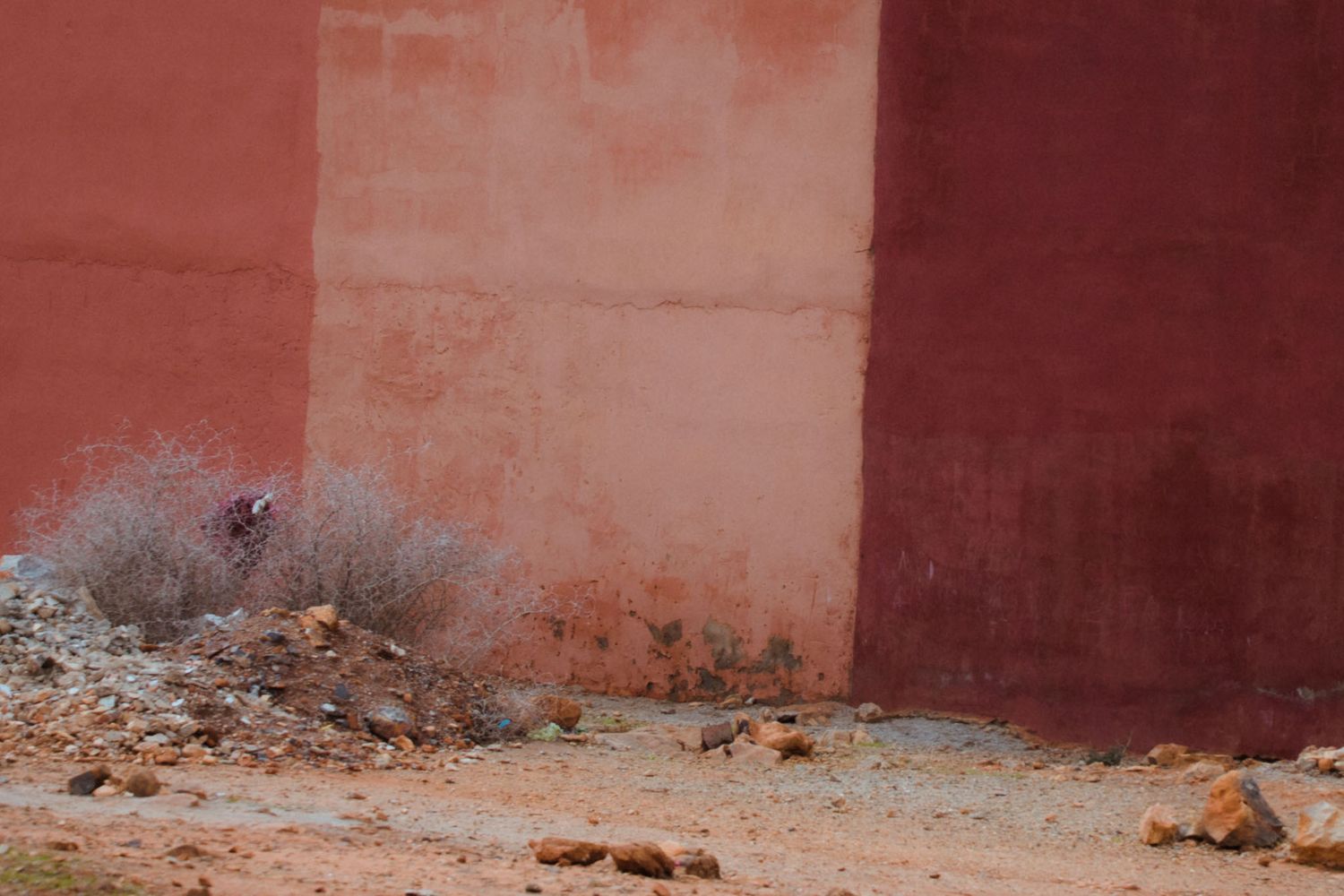
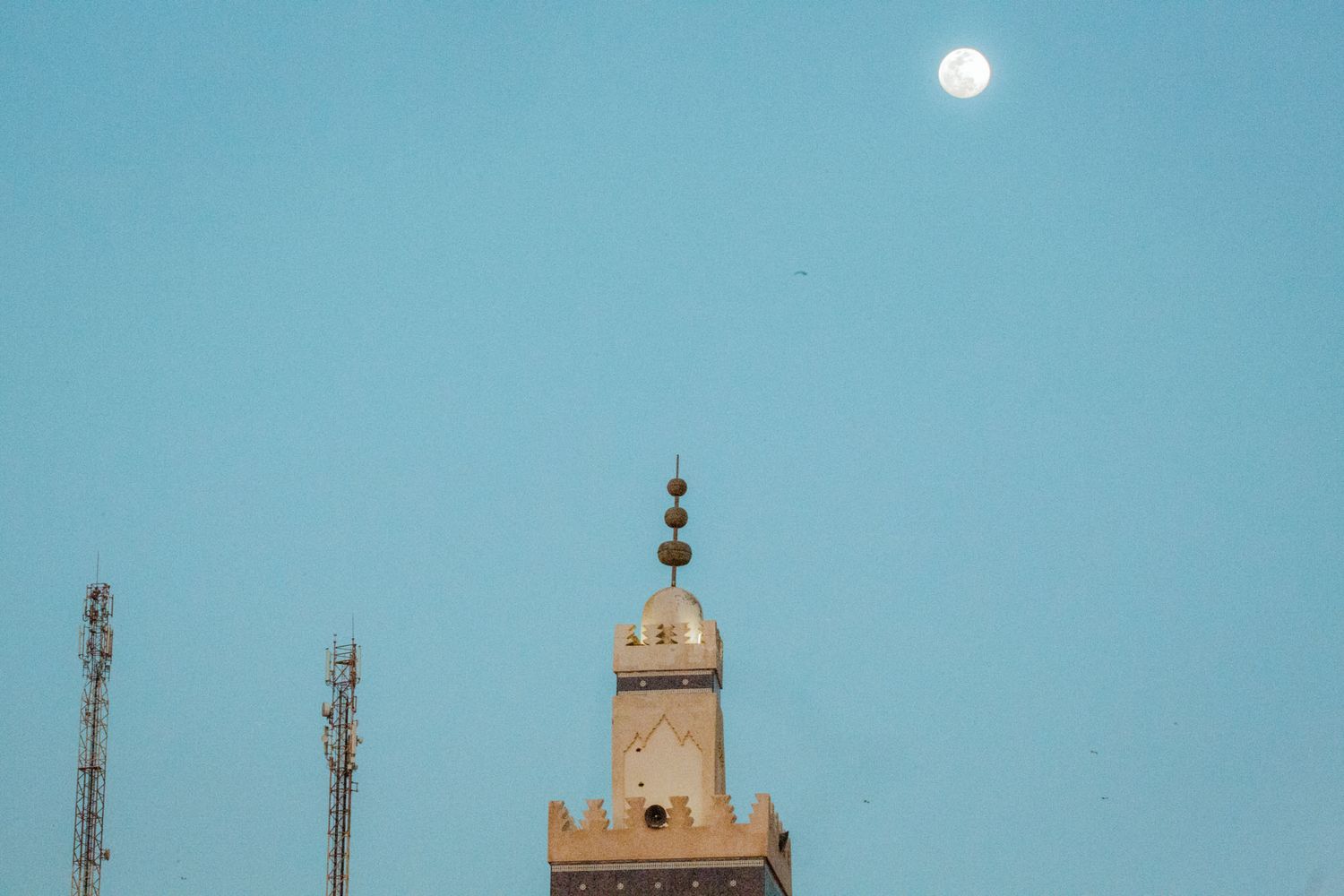
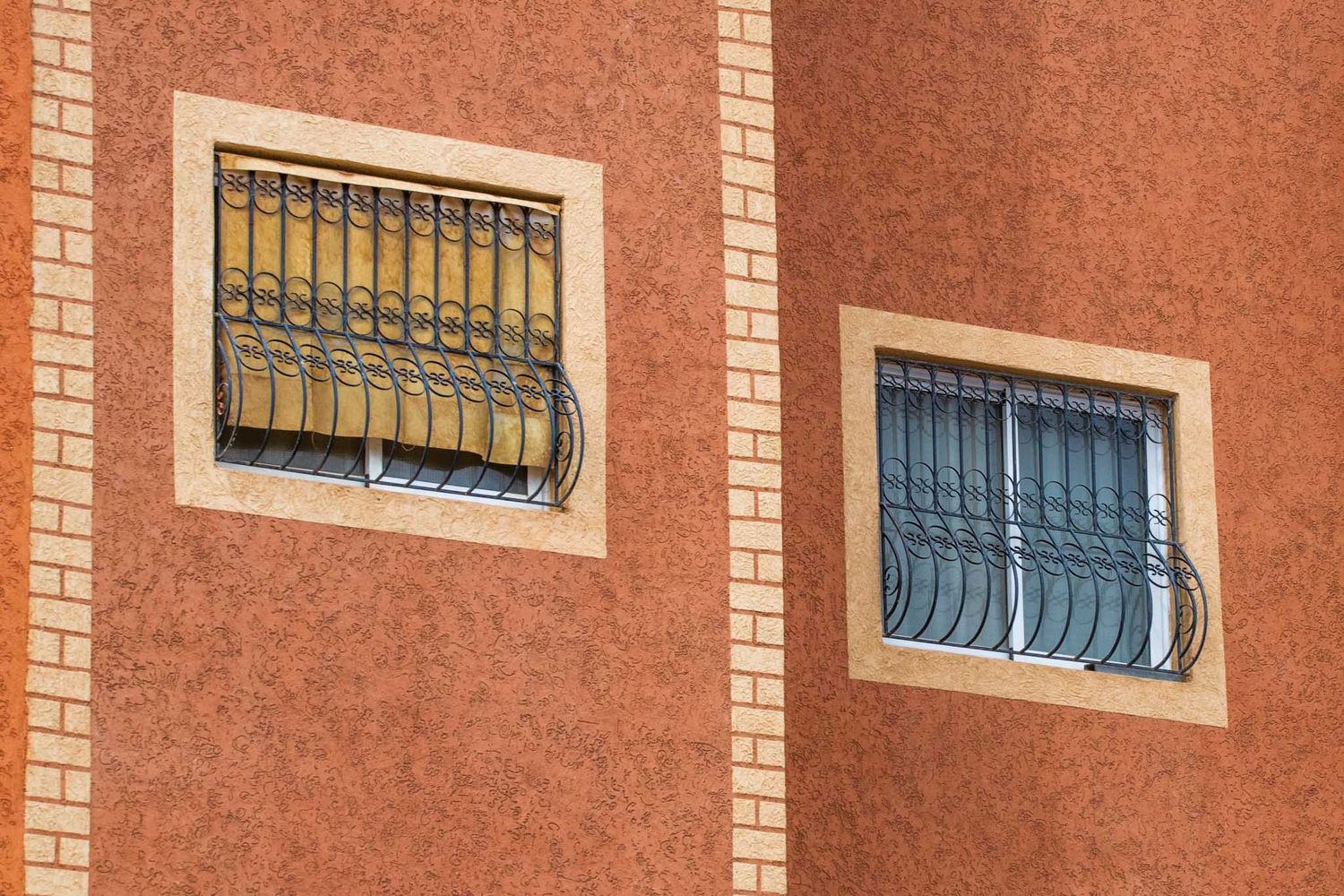
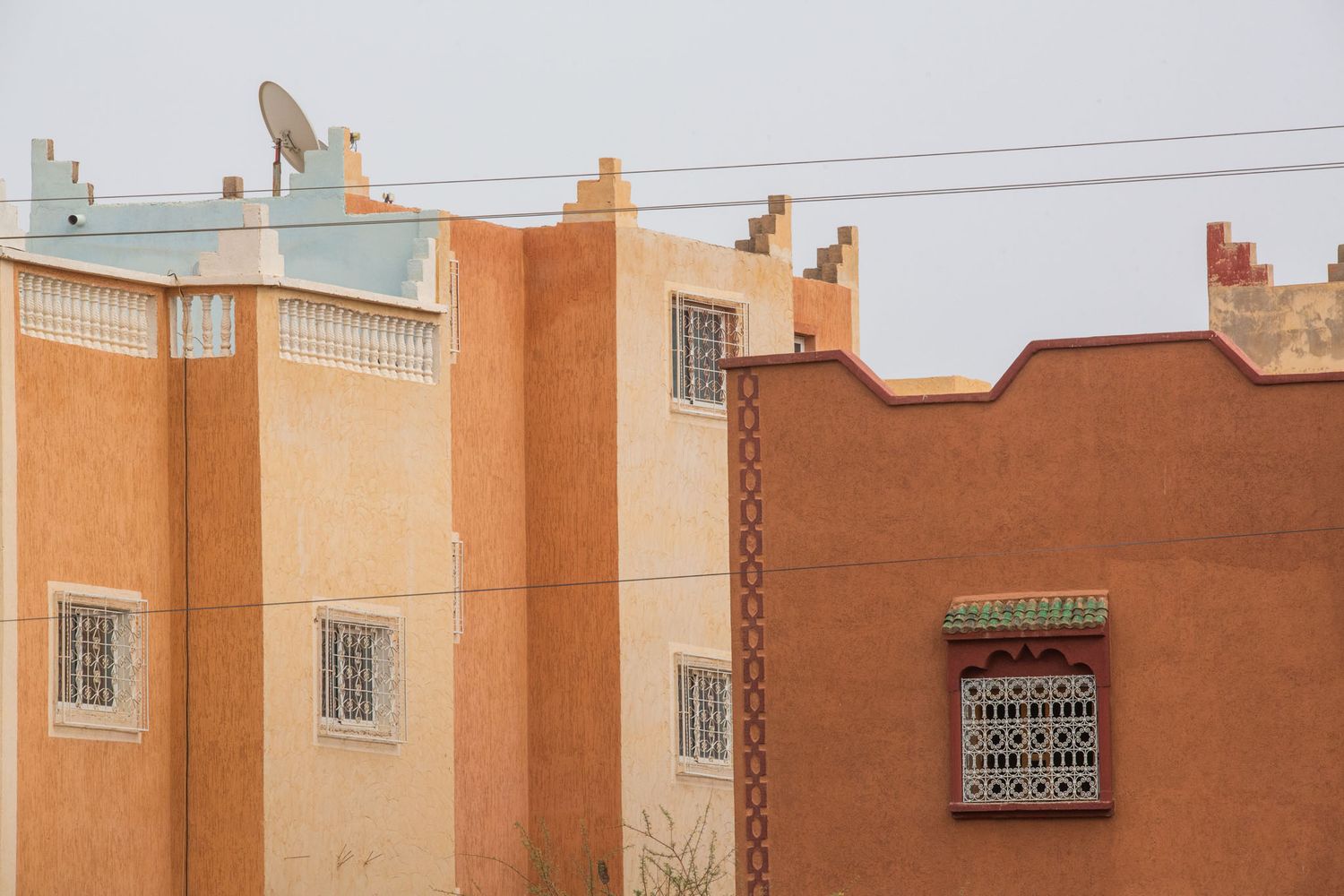
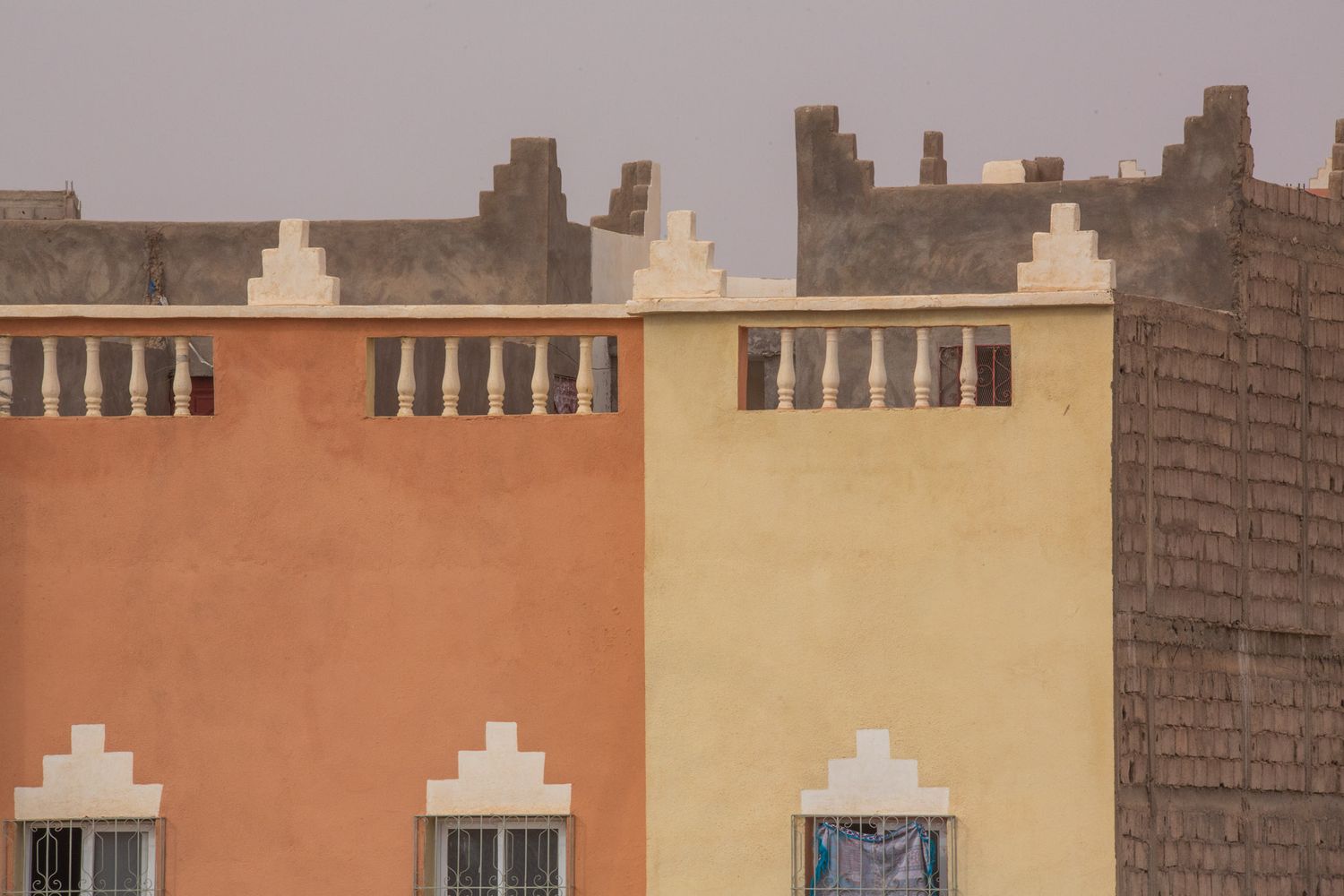
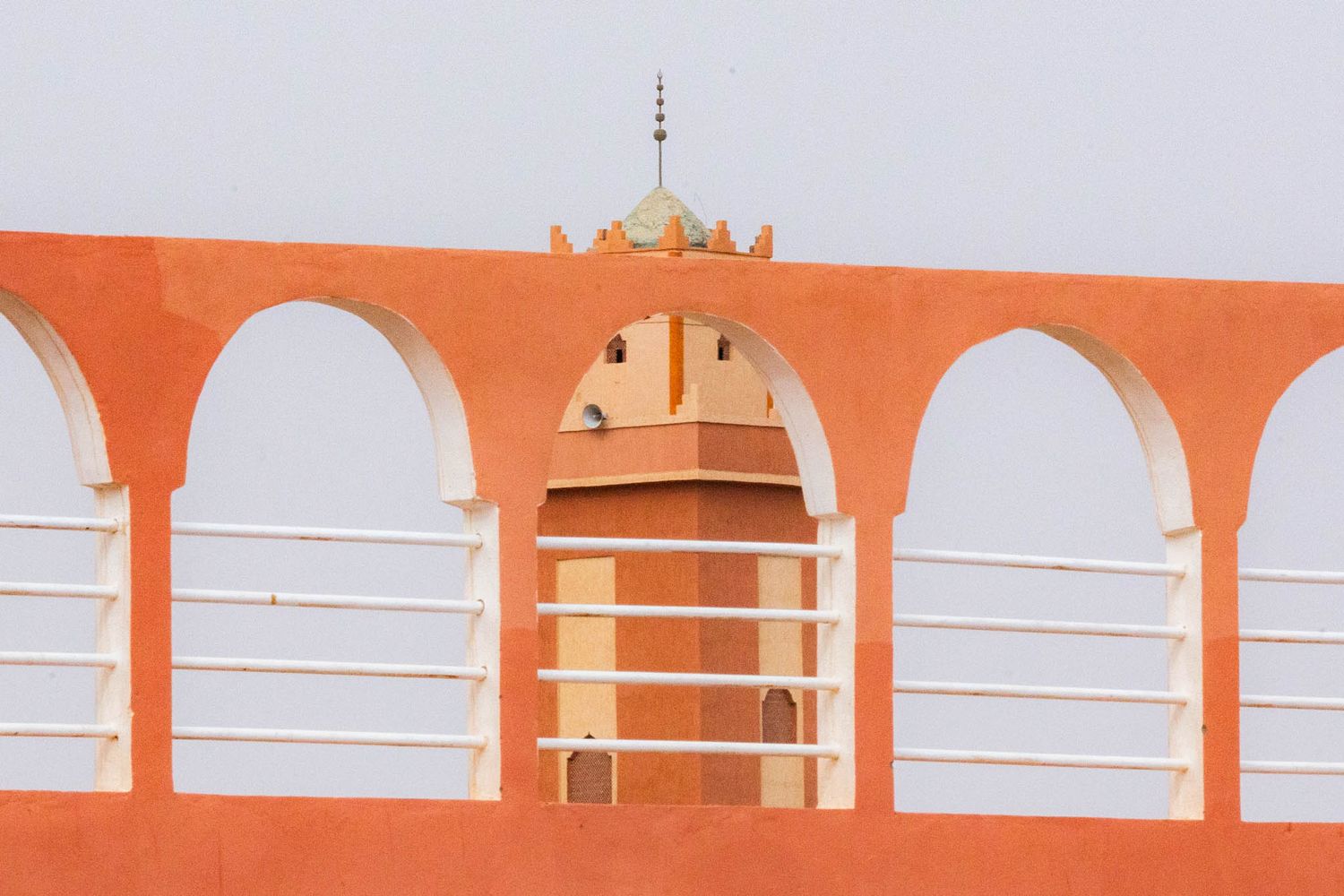
During my trip to Morocco, I found myself constantly observing desert spaces and isolated villages, as if the world had been simplified into a collection of essential forms. From a distance, the towns appeared as two-dimensional squares and rectangles, set against the endless beige and red of the earth and the deep blue of the sky. It was impossible not to stop, not to isolate every detail, not to strip away the superfluous: every wall, arch, and line seemed to demand to be captured on its own, transforming reality into visual abstraction.
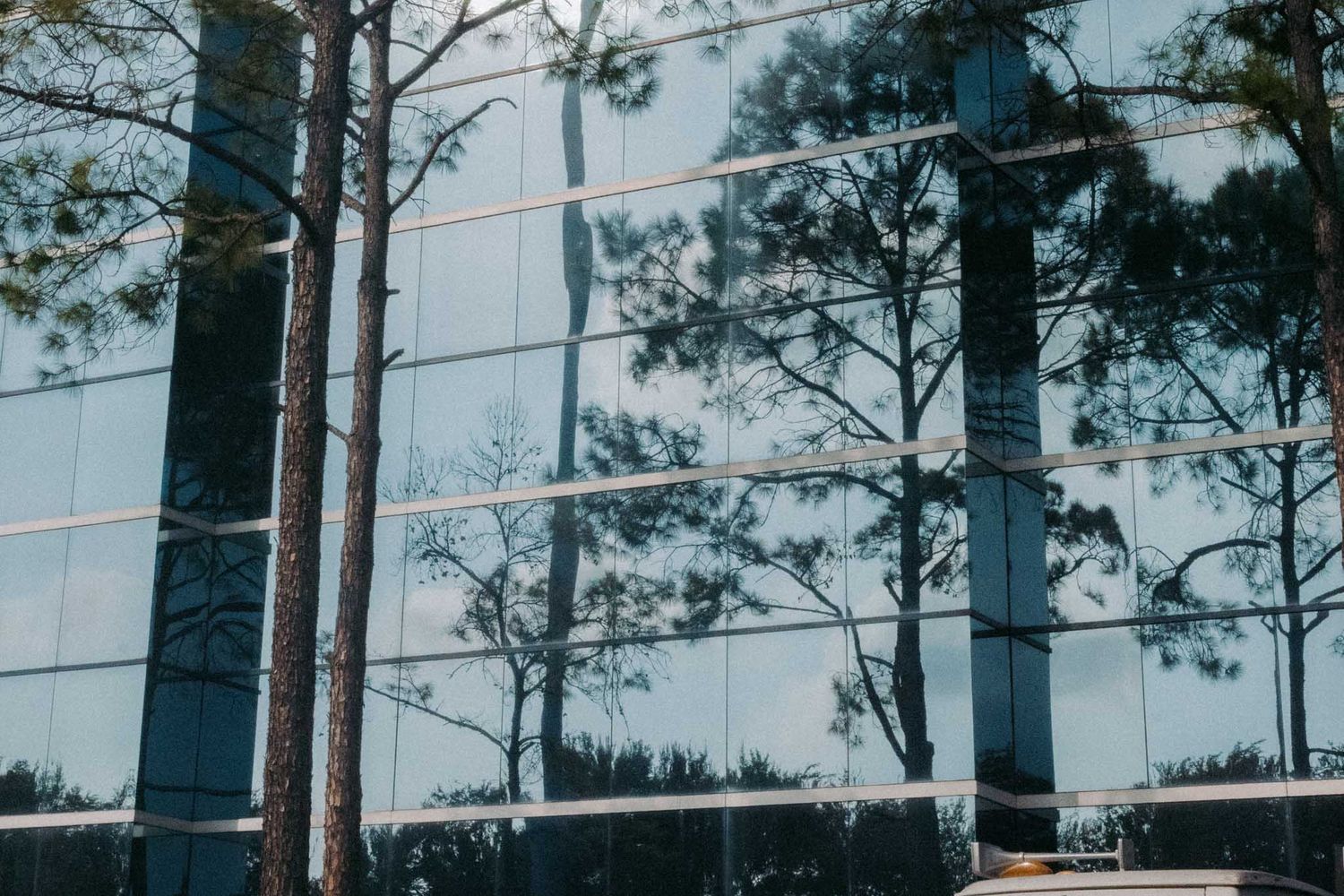
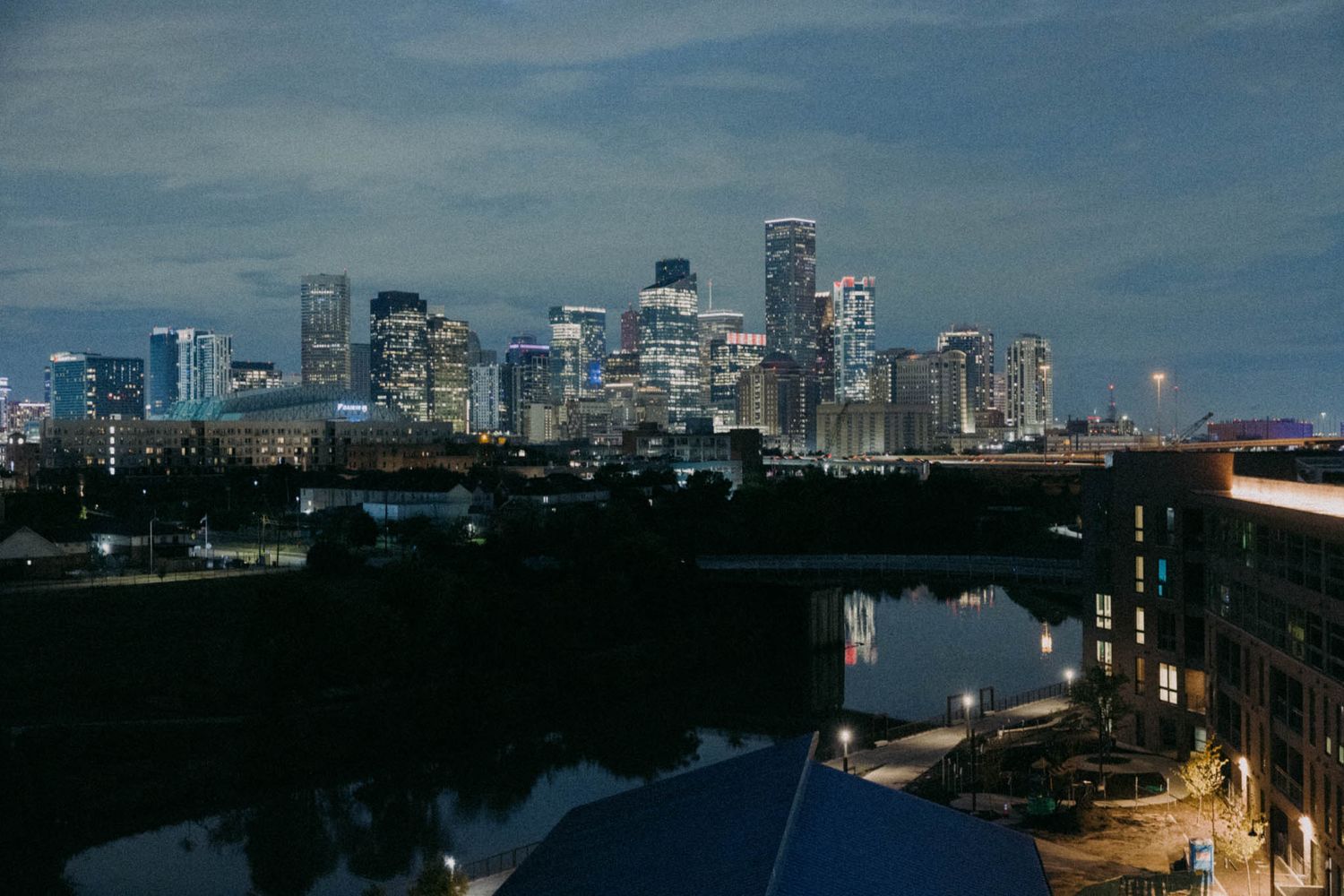
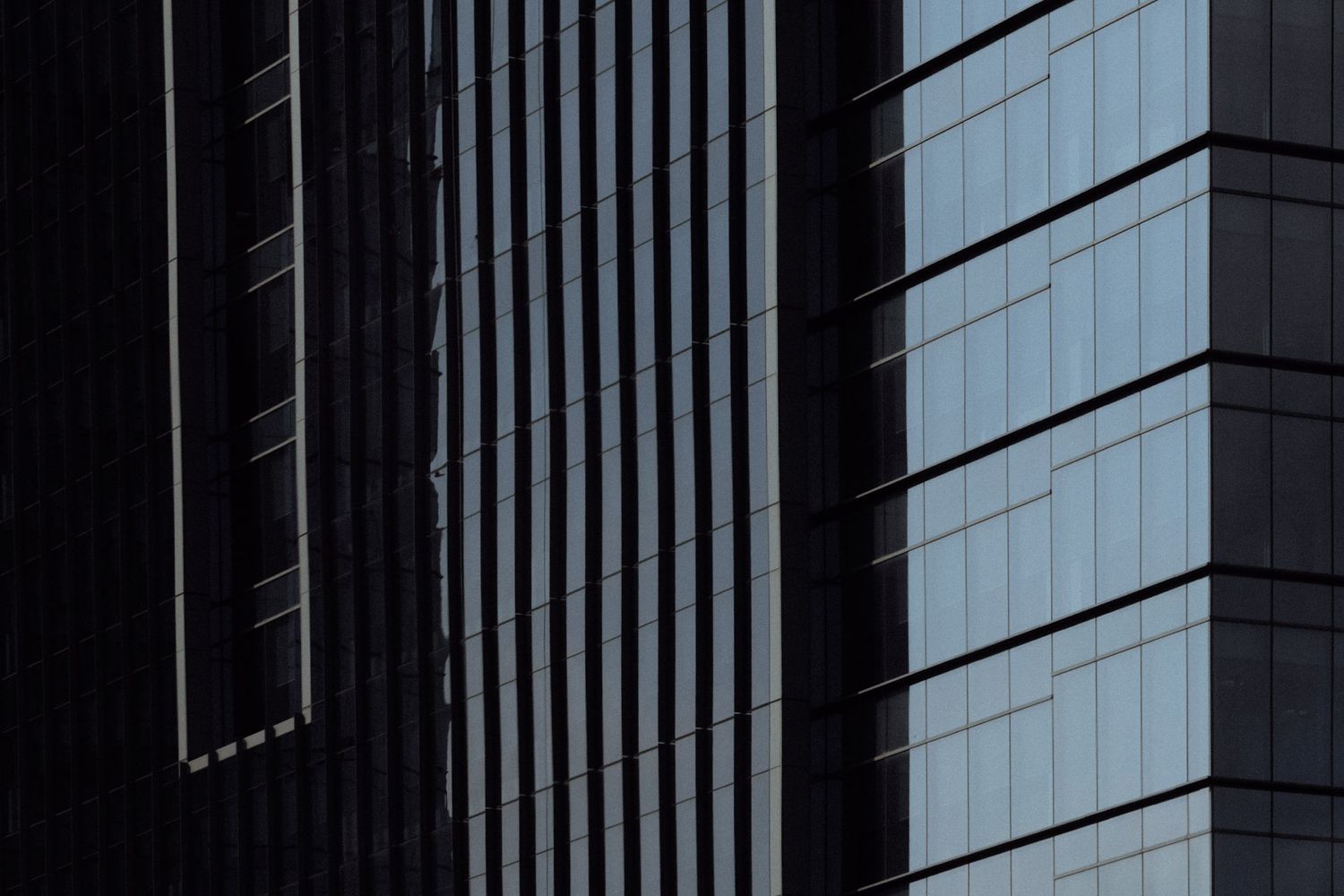
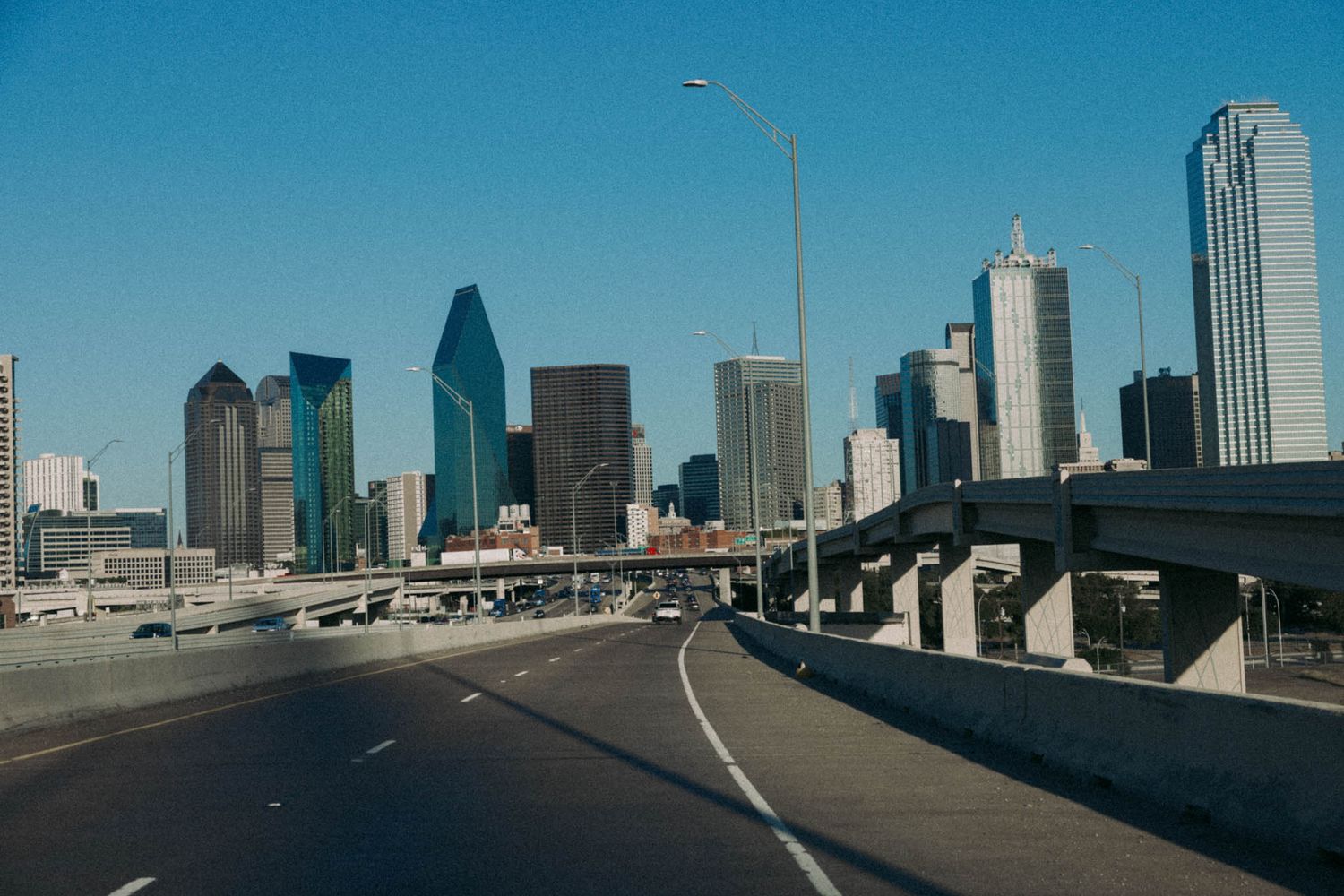
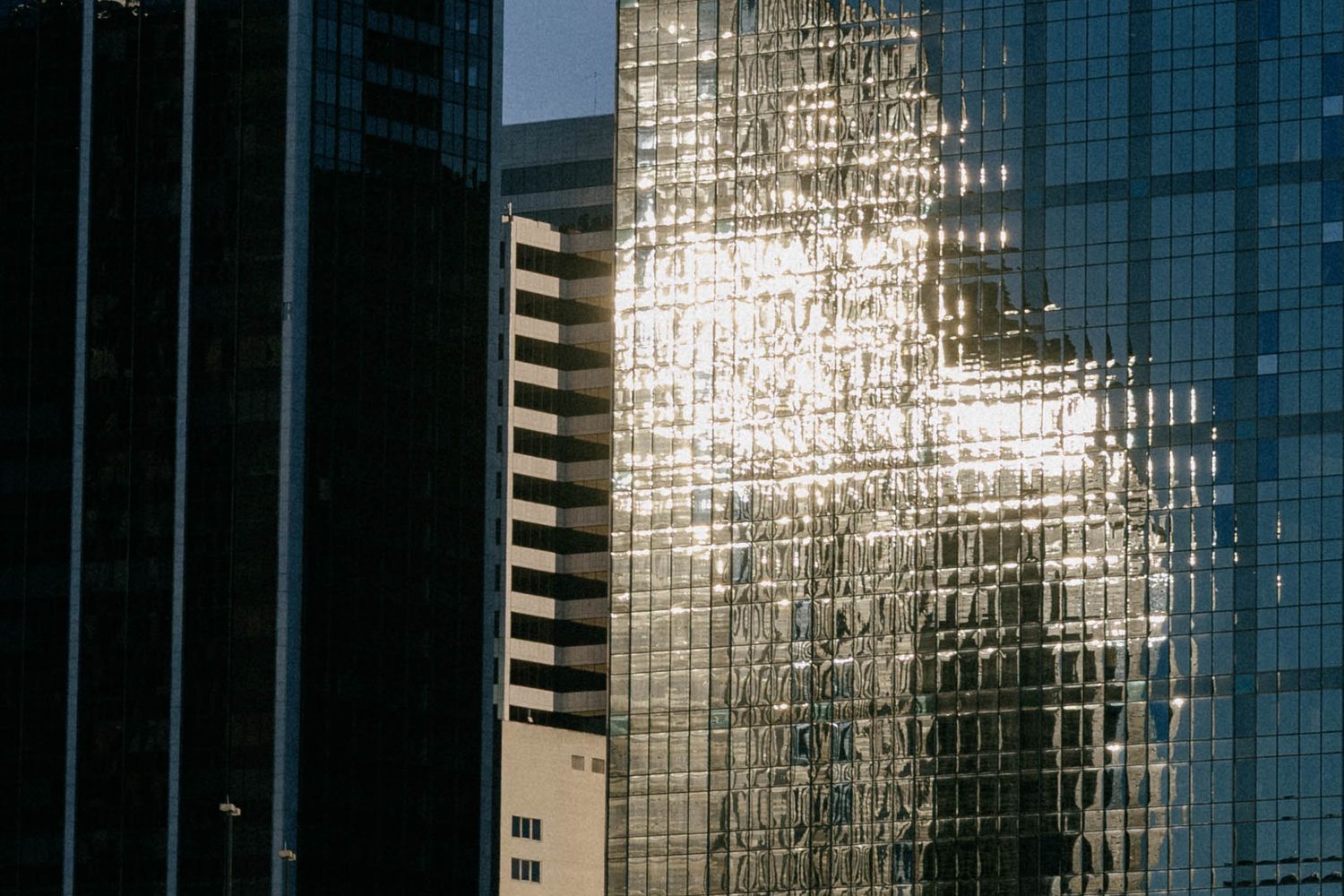
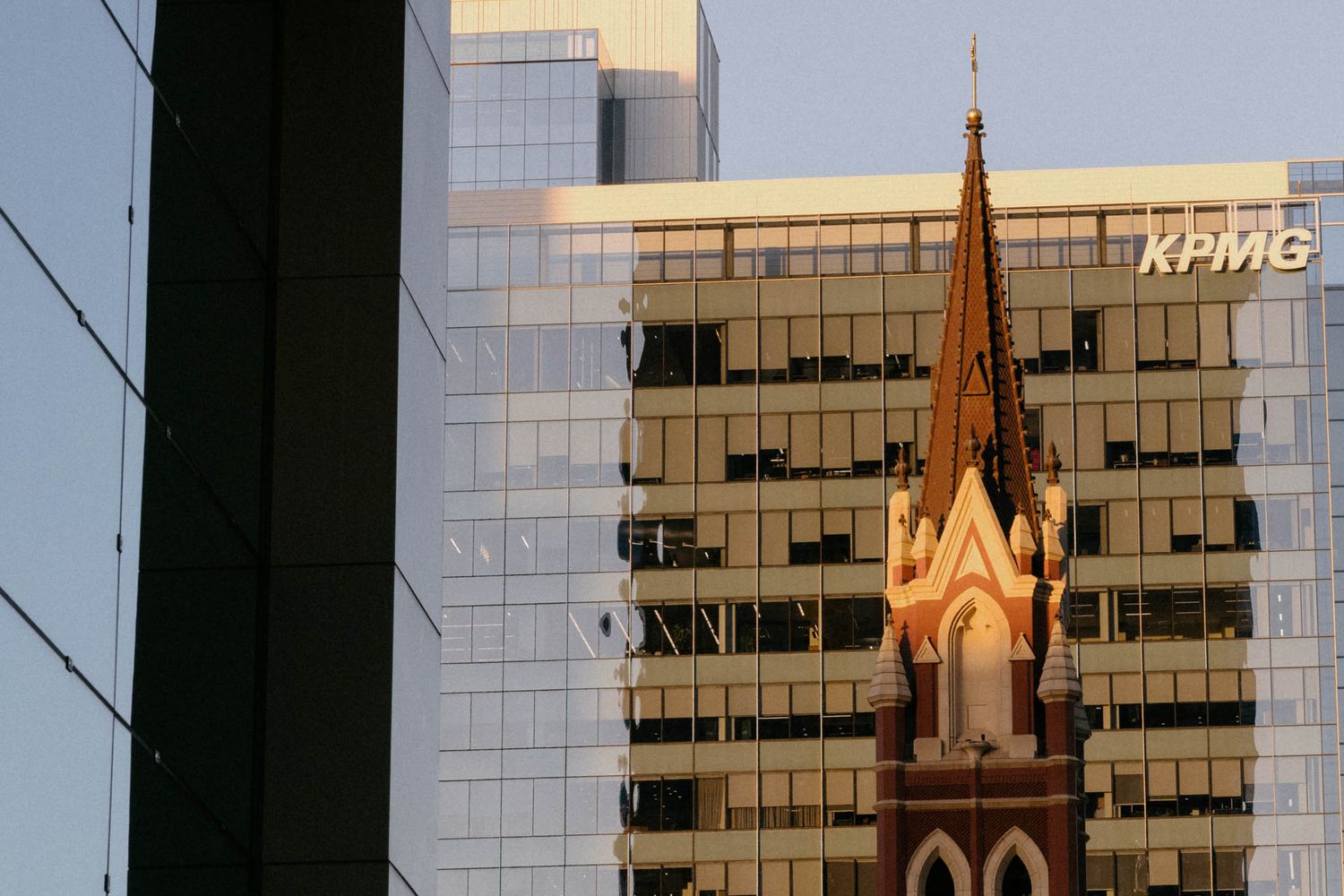
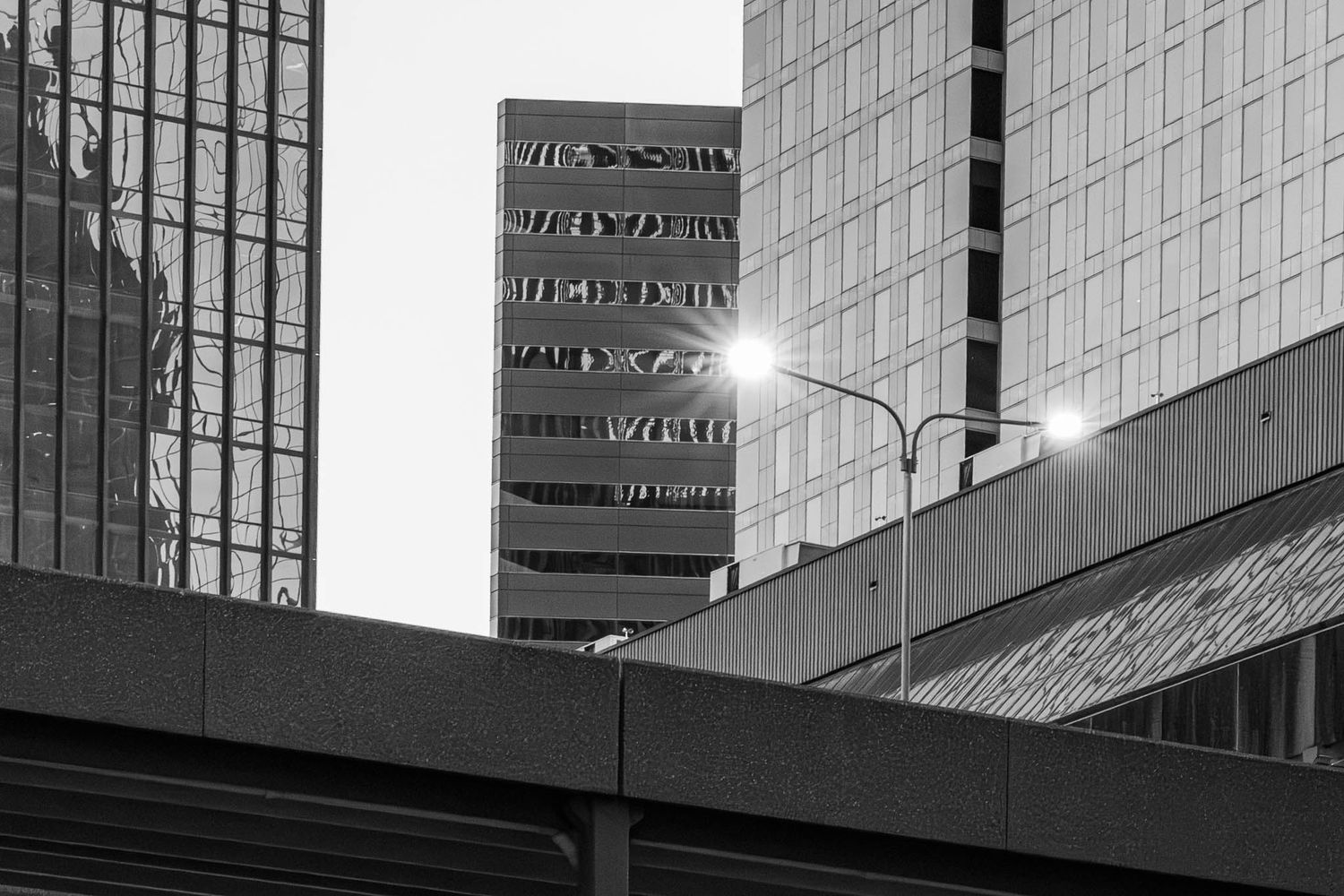
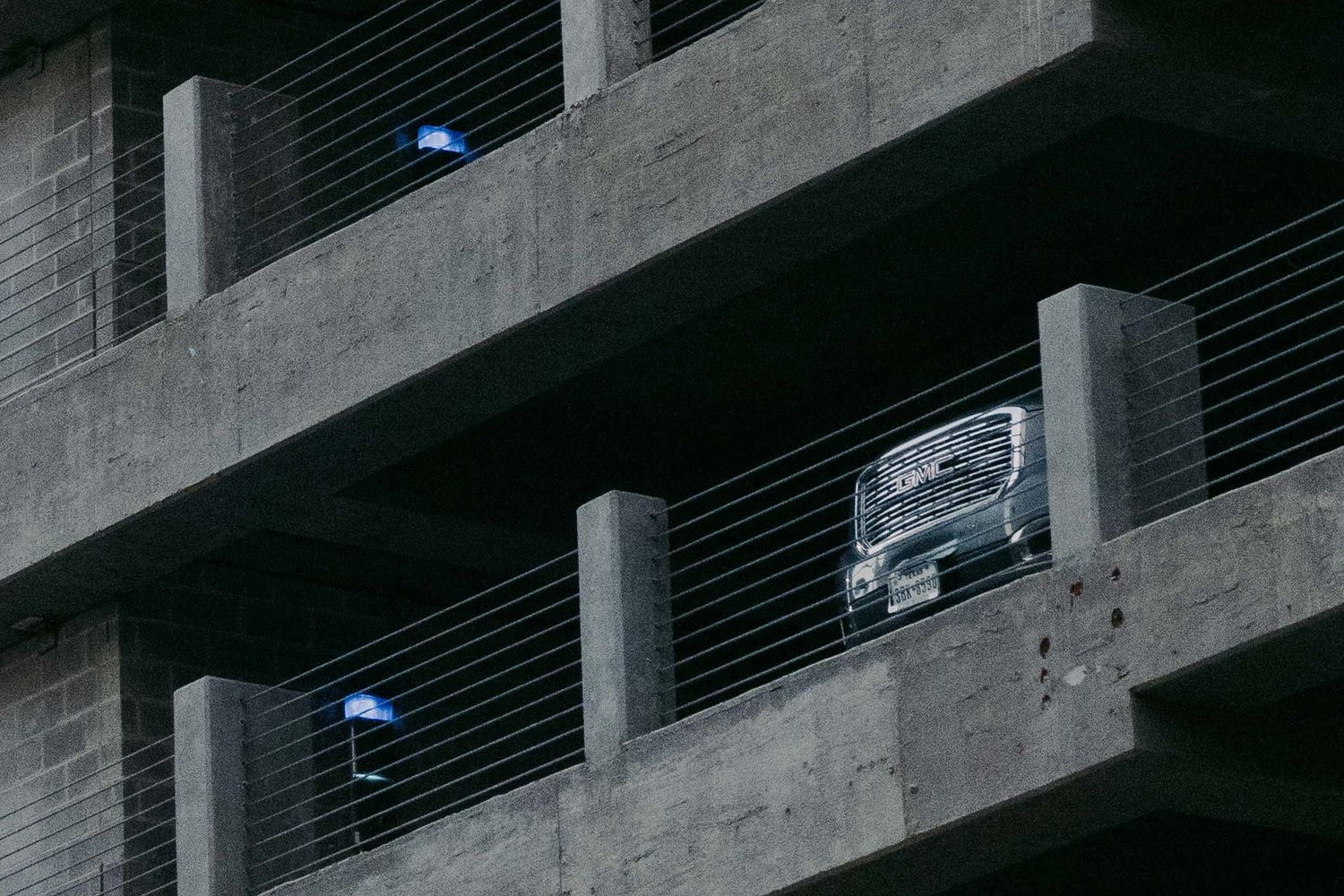
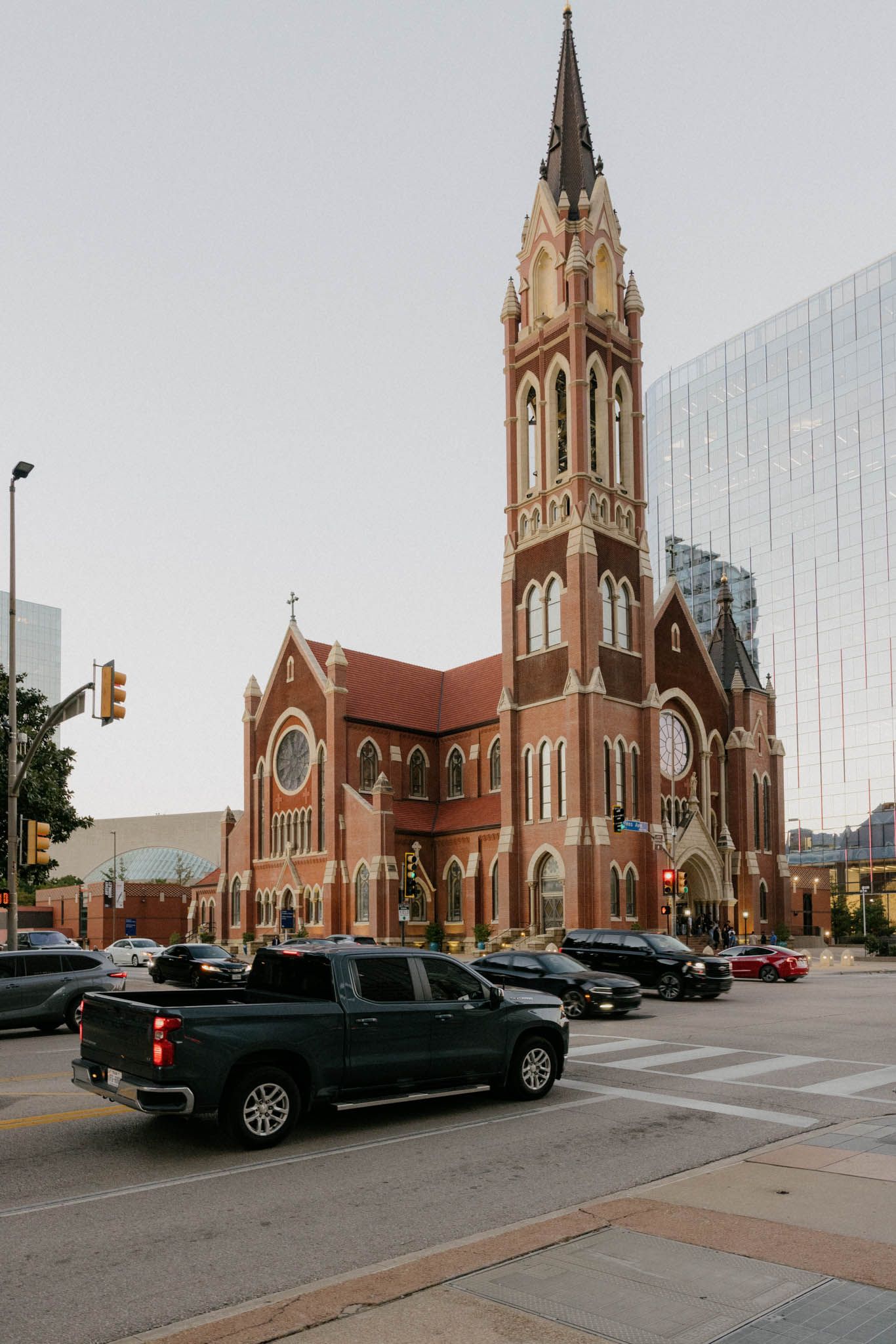
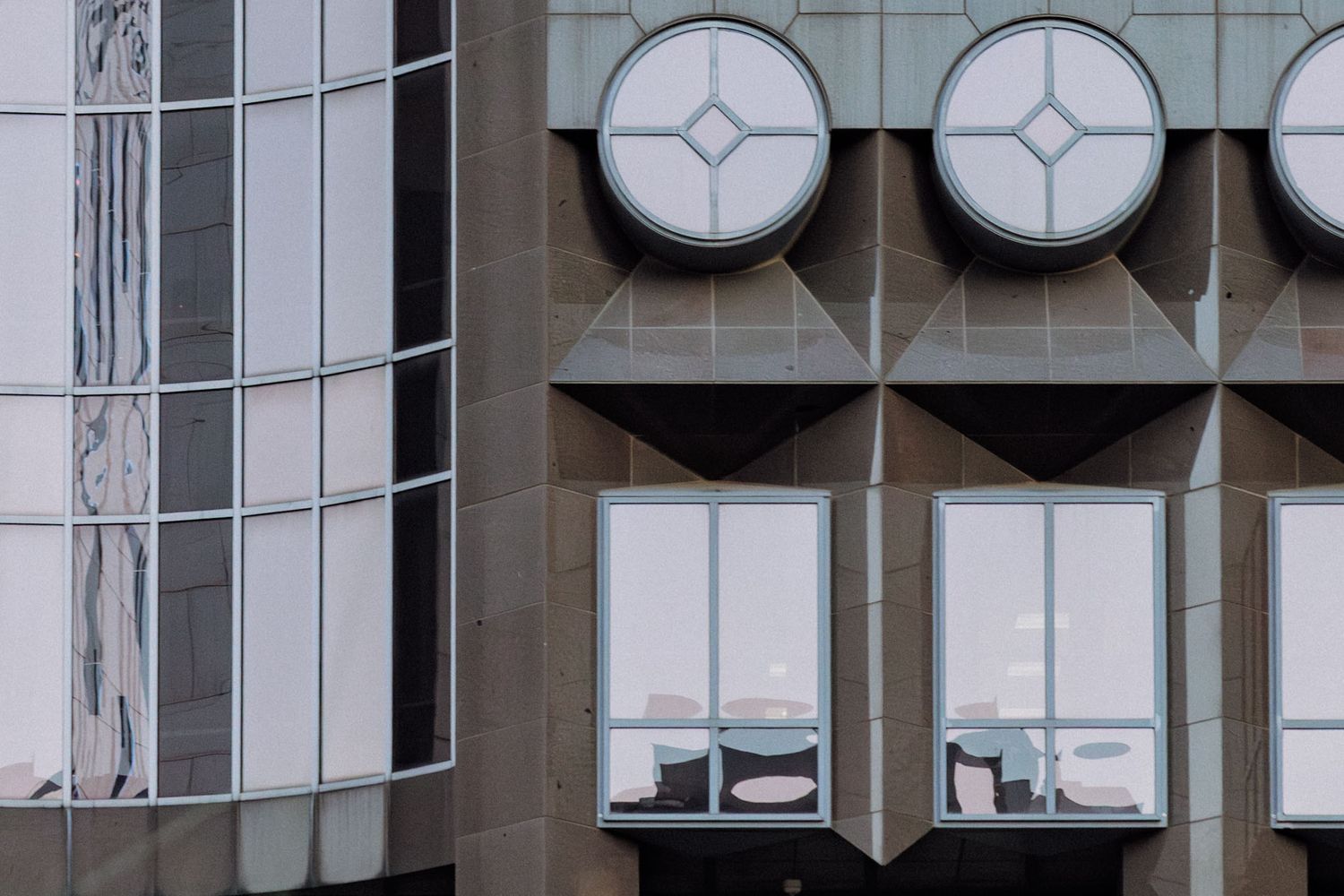
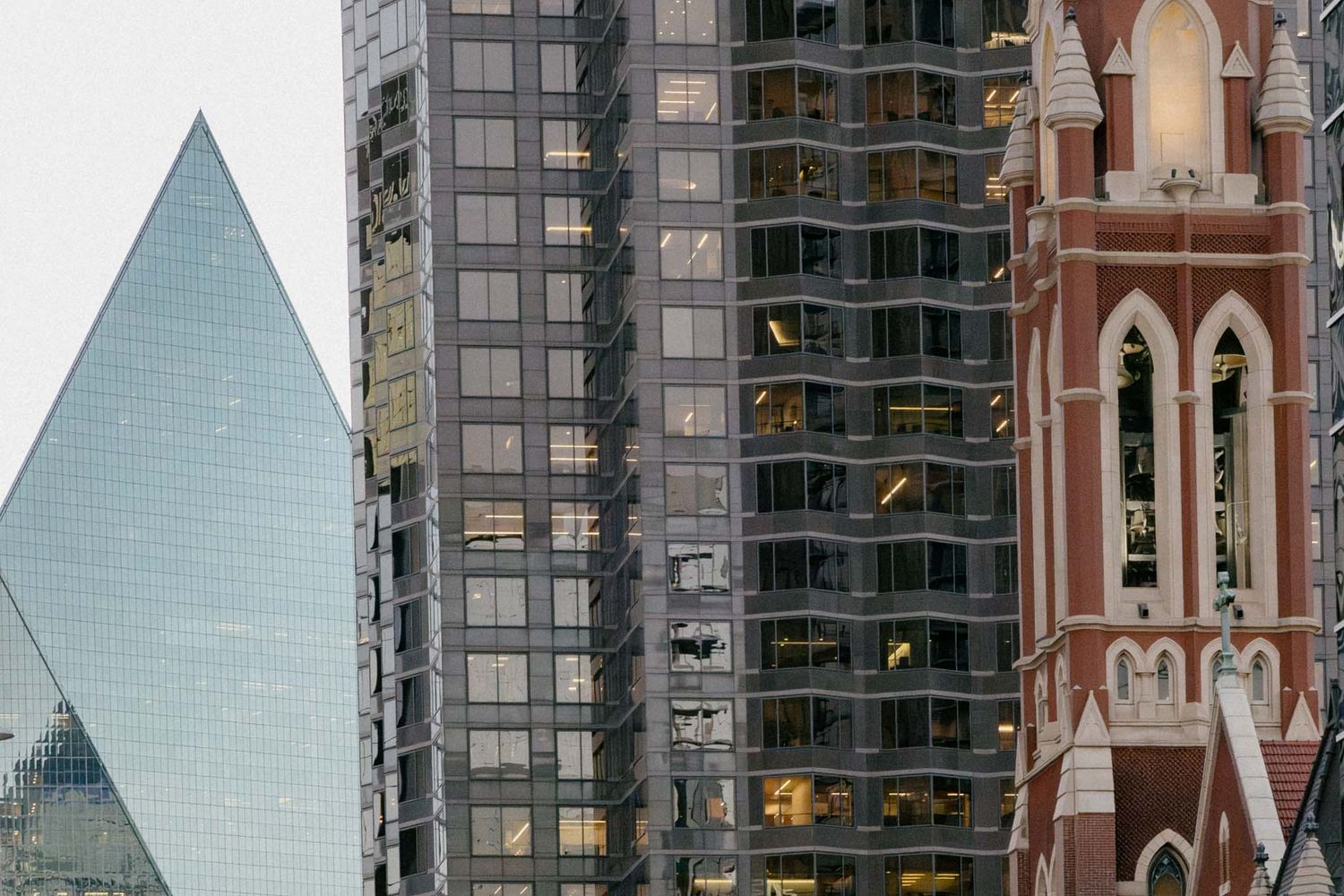
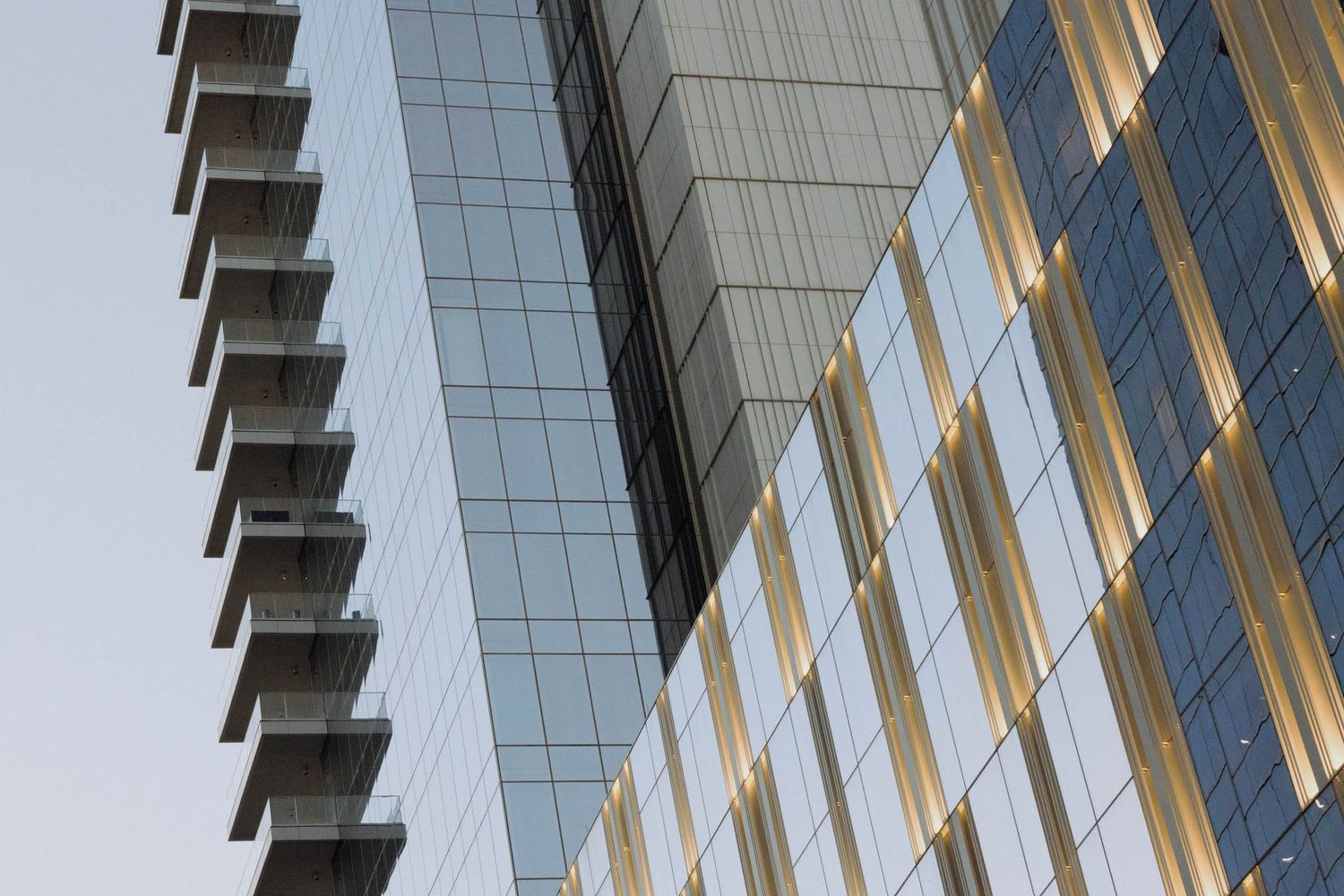
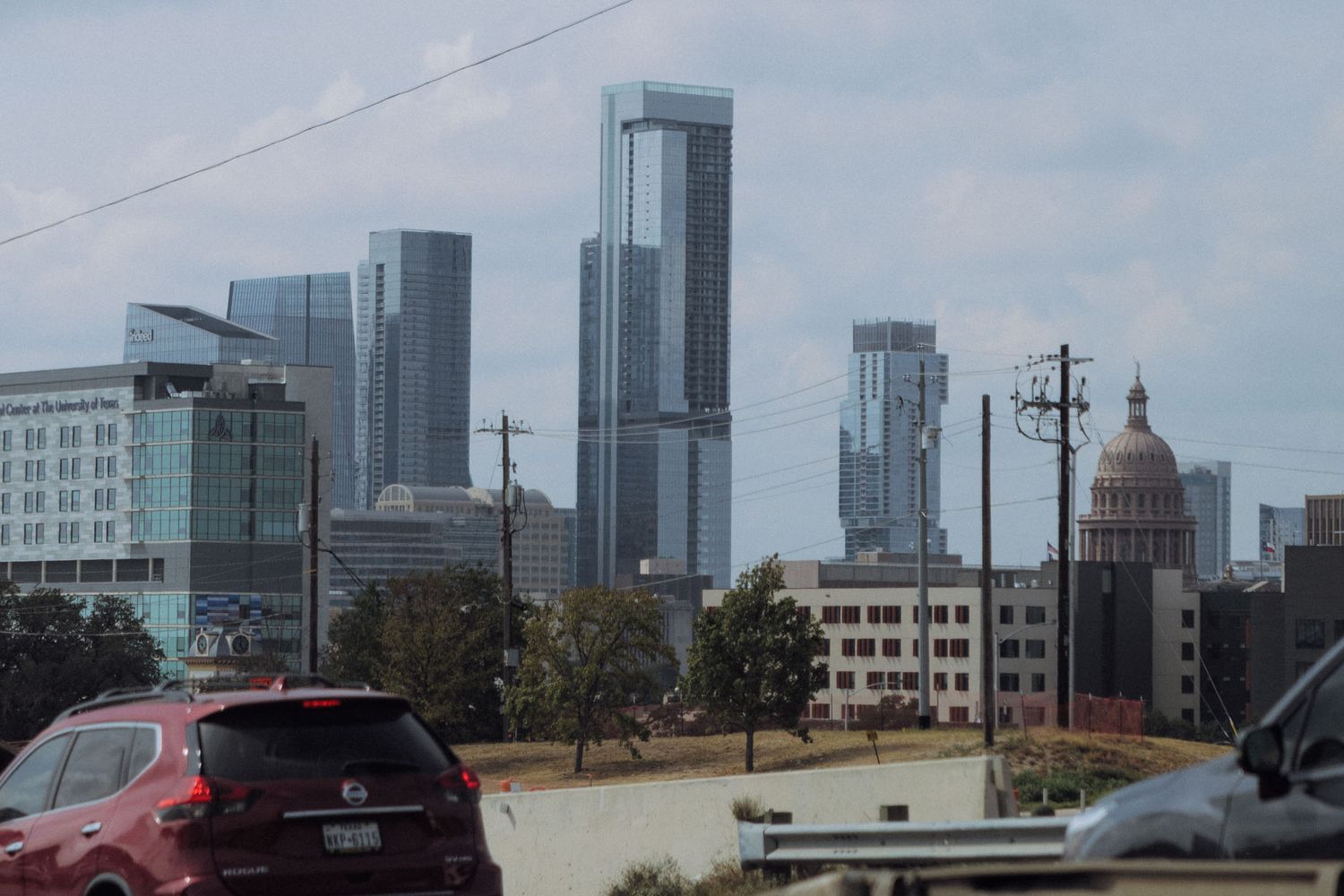
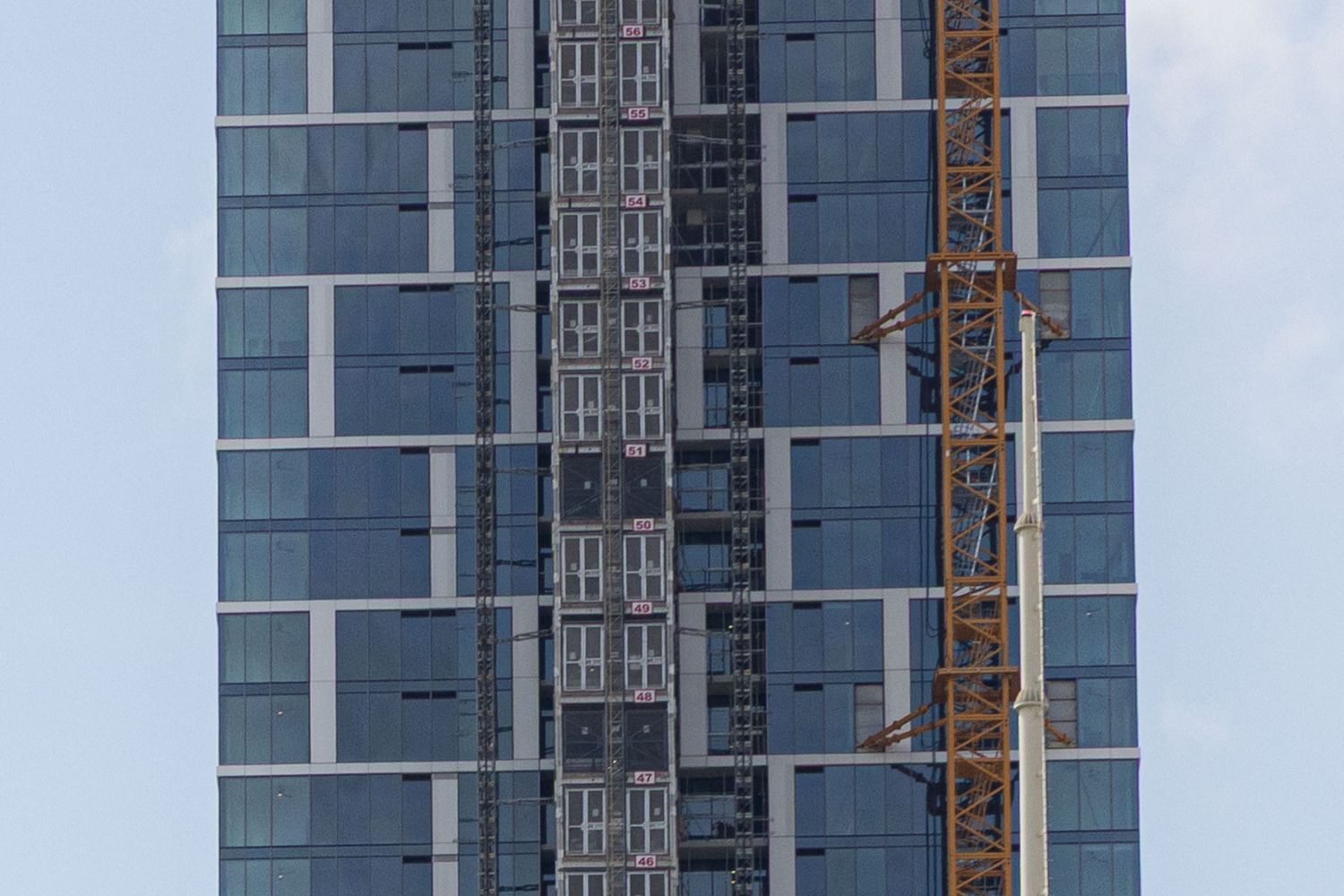
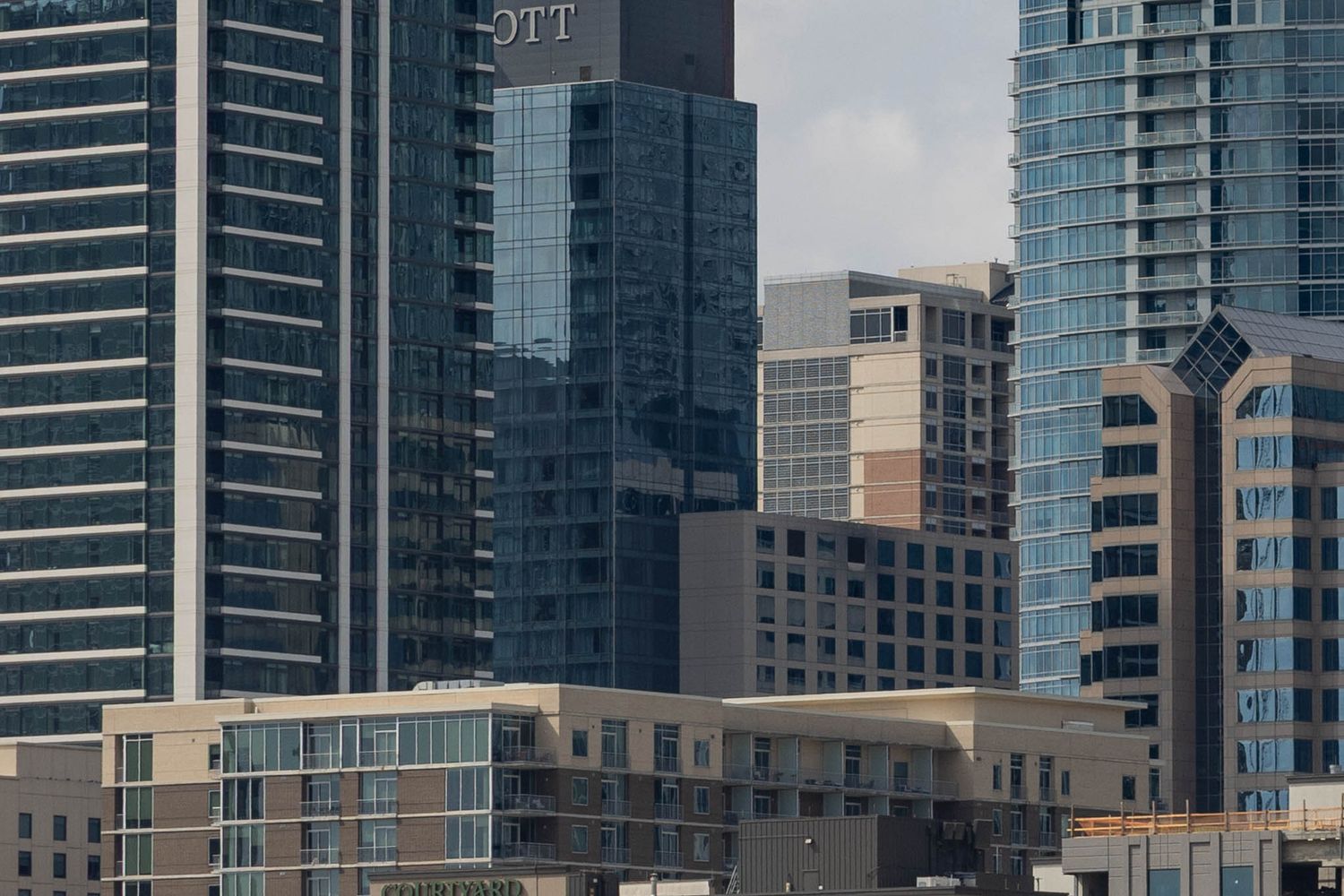
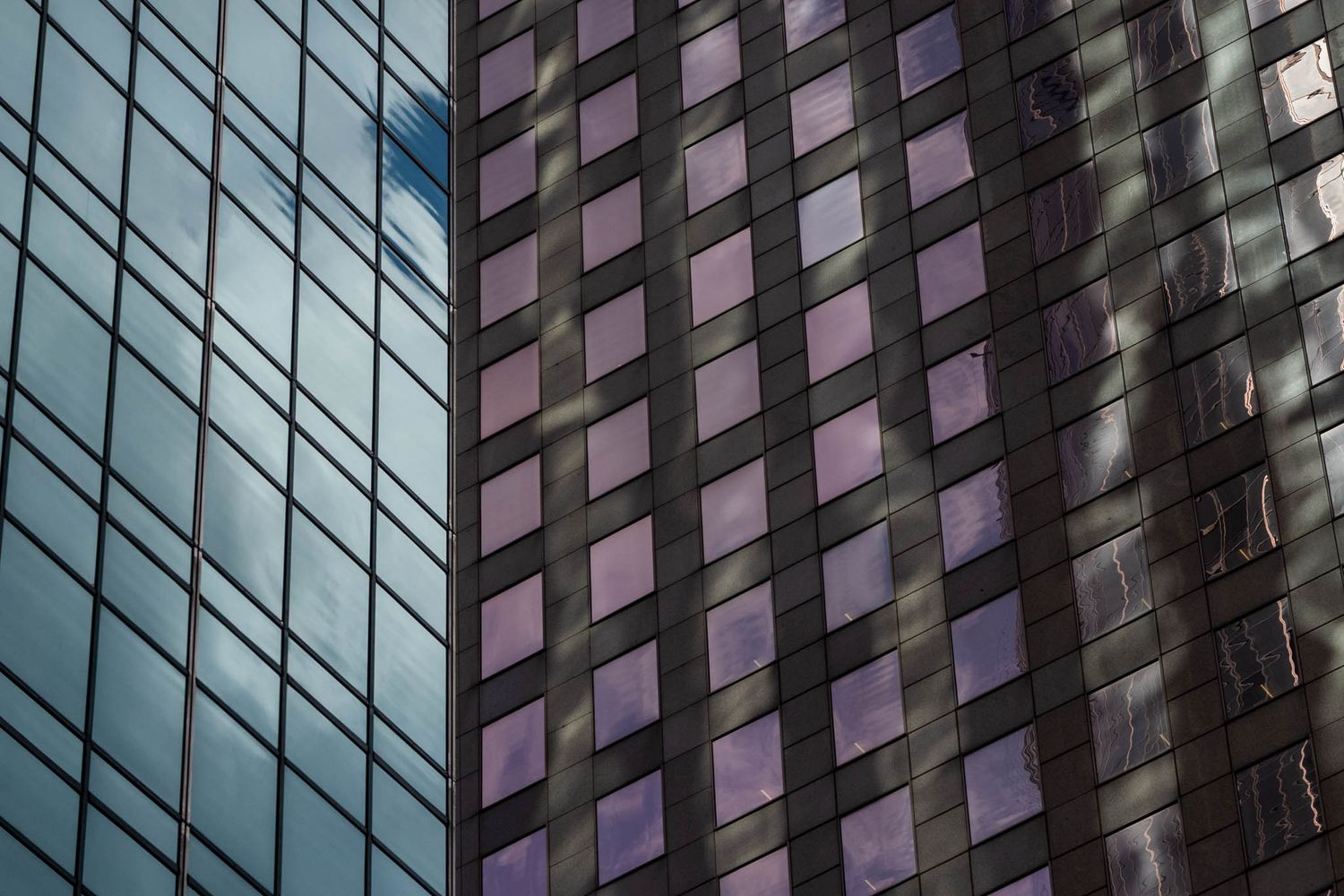
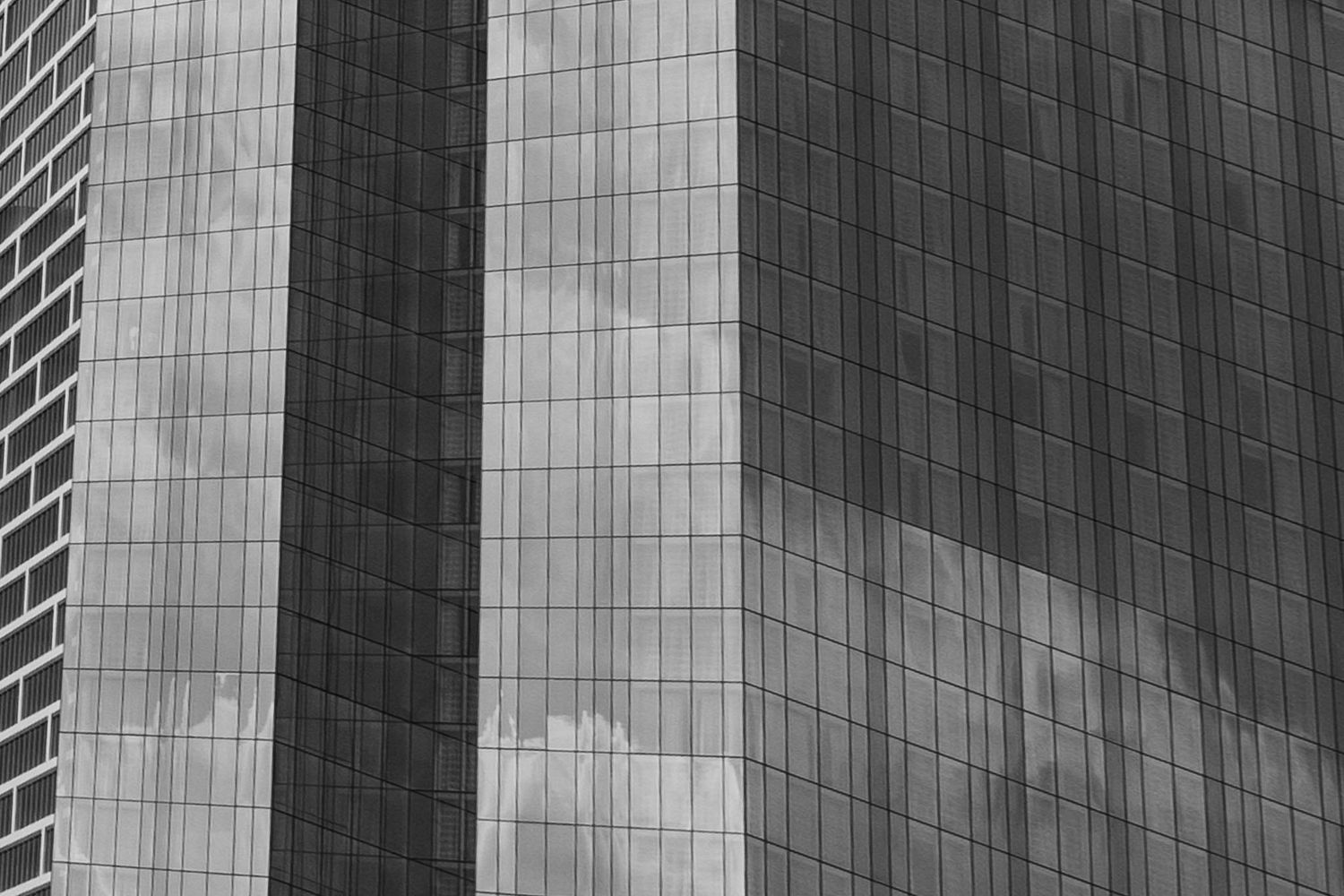
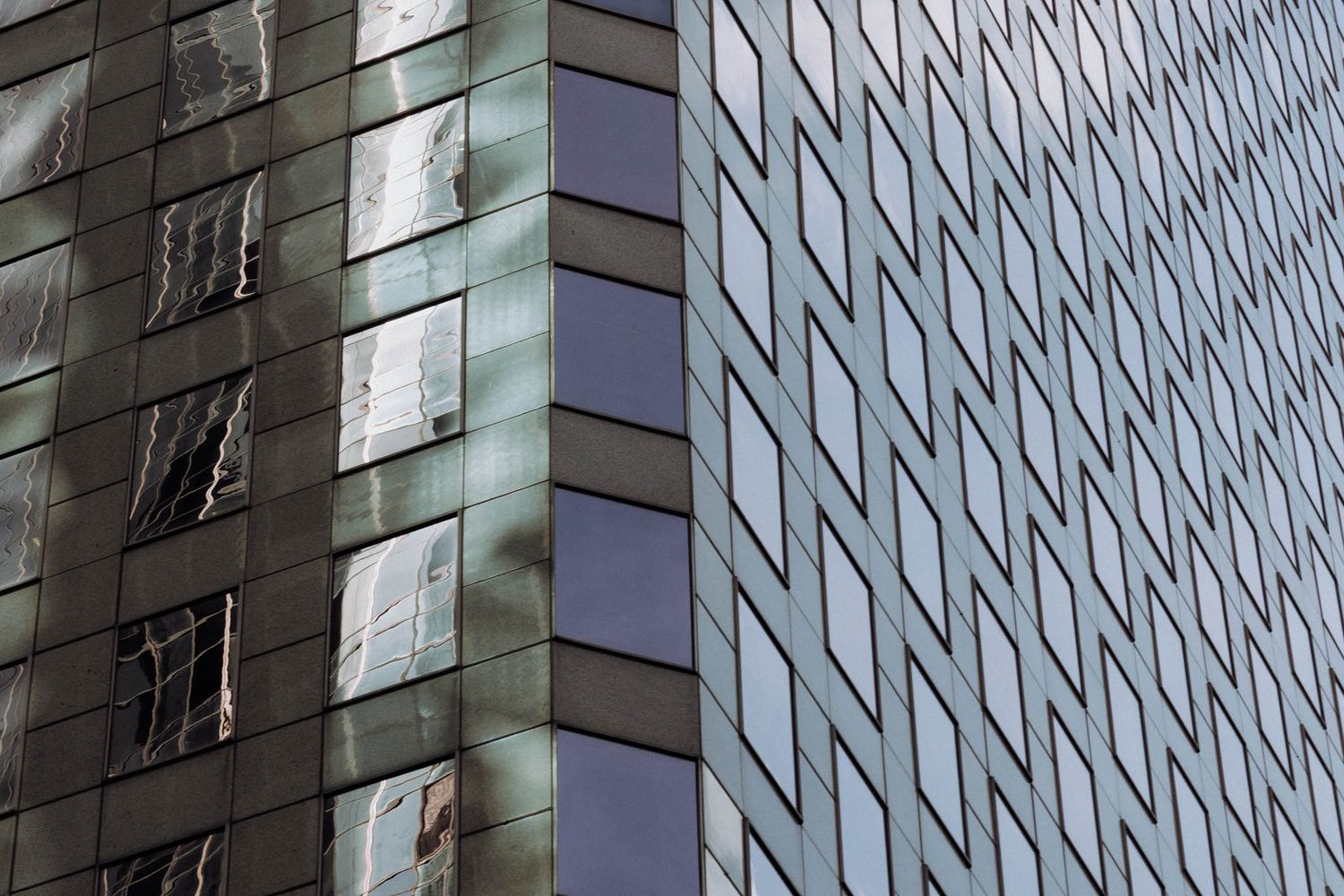
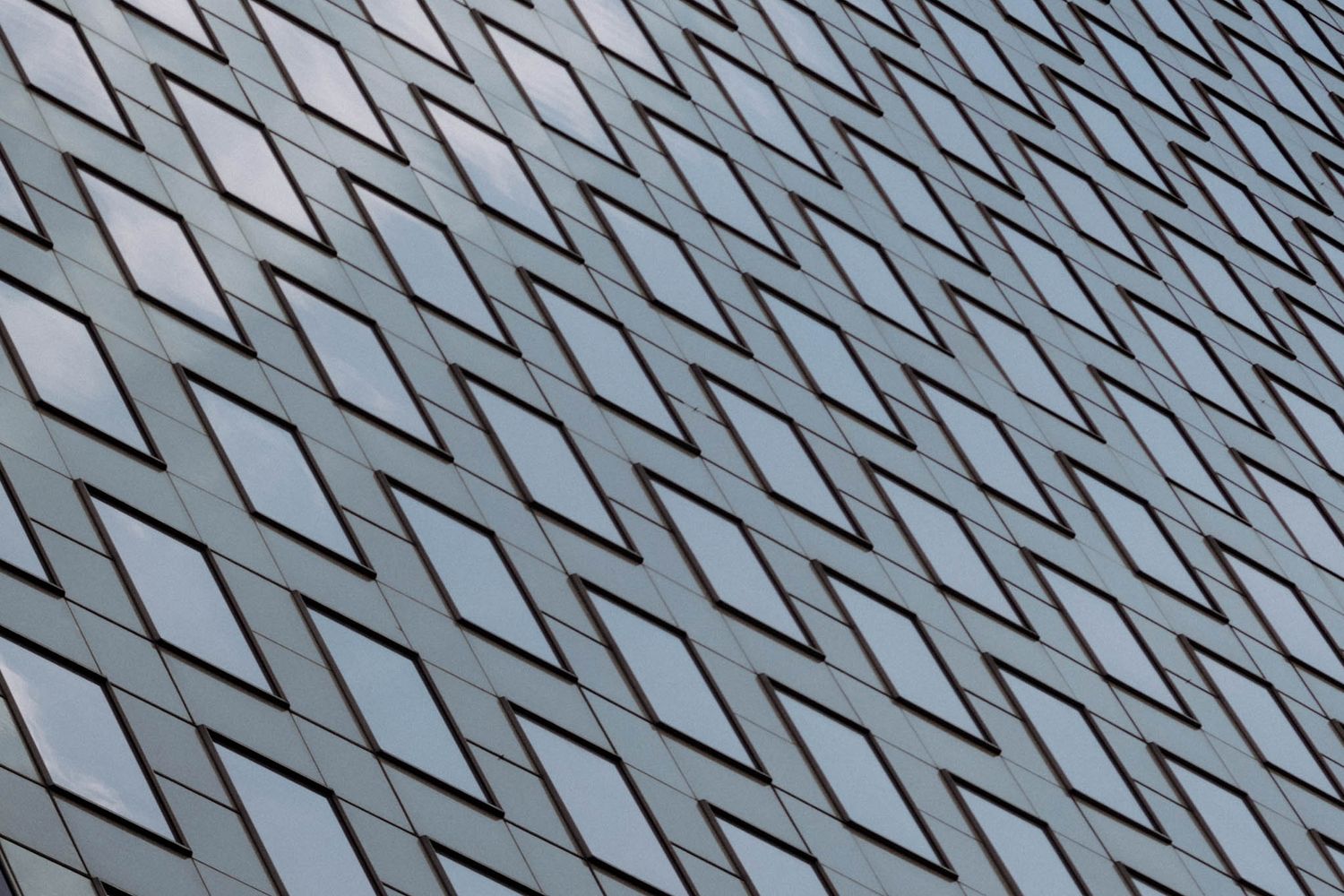
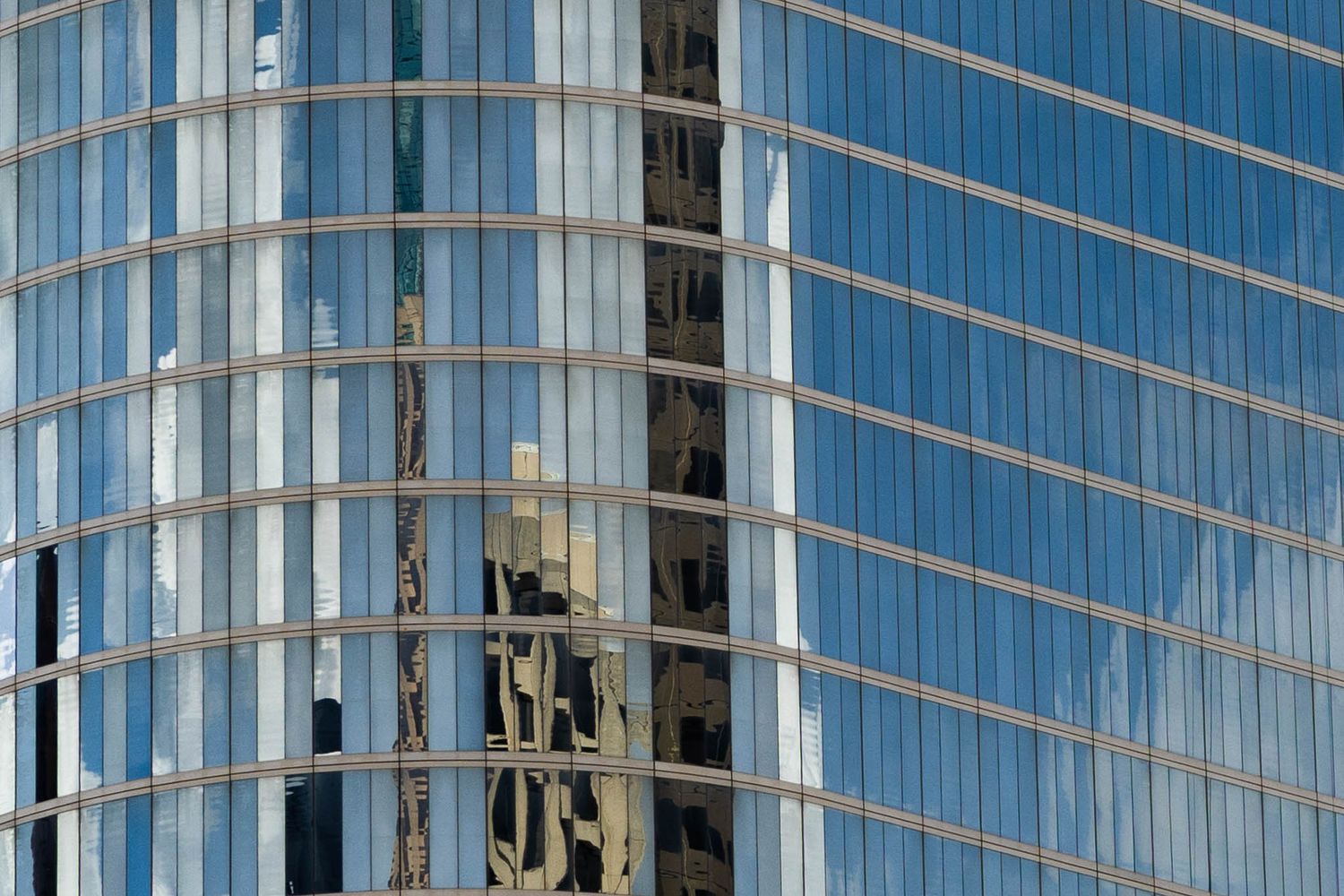
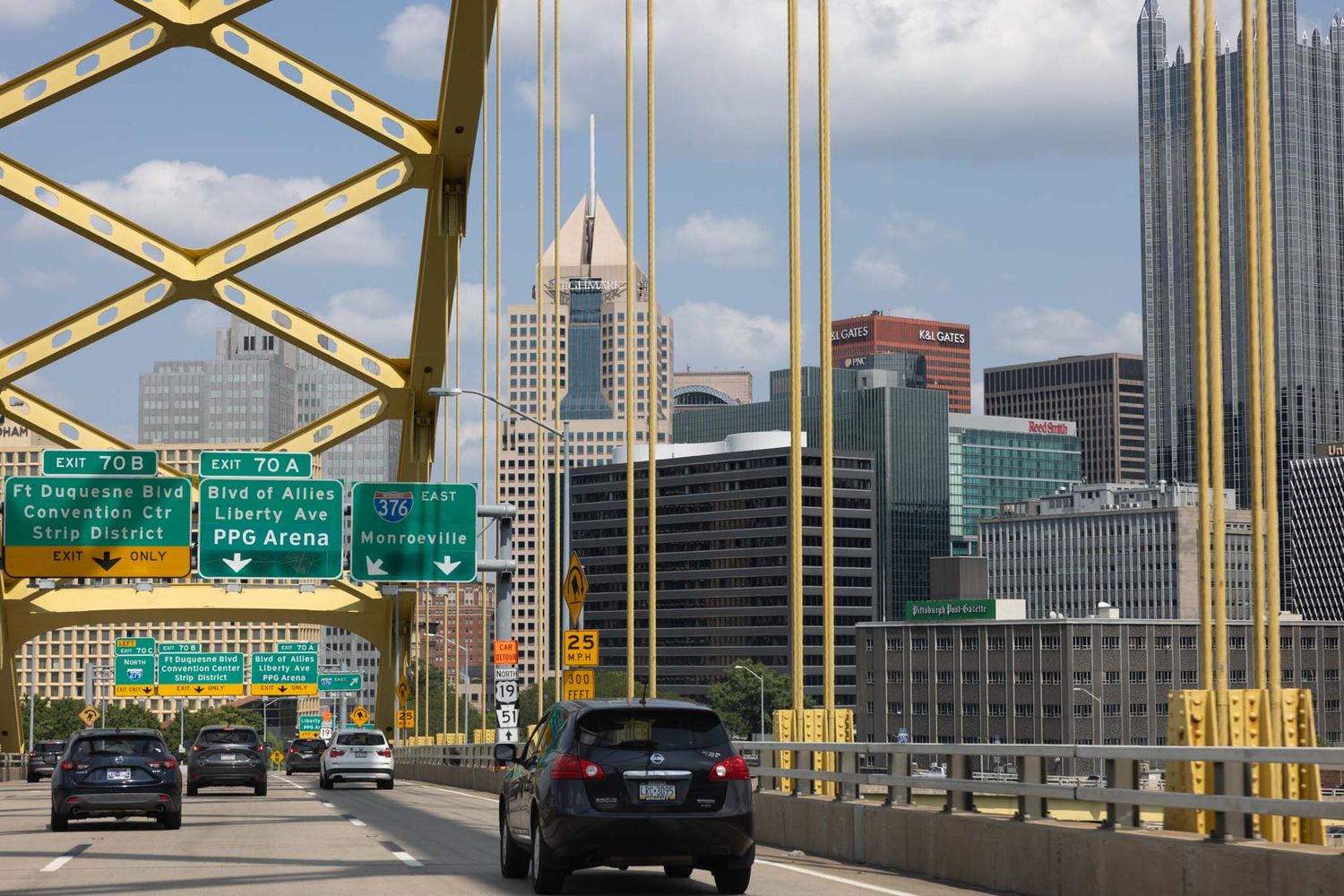
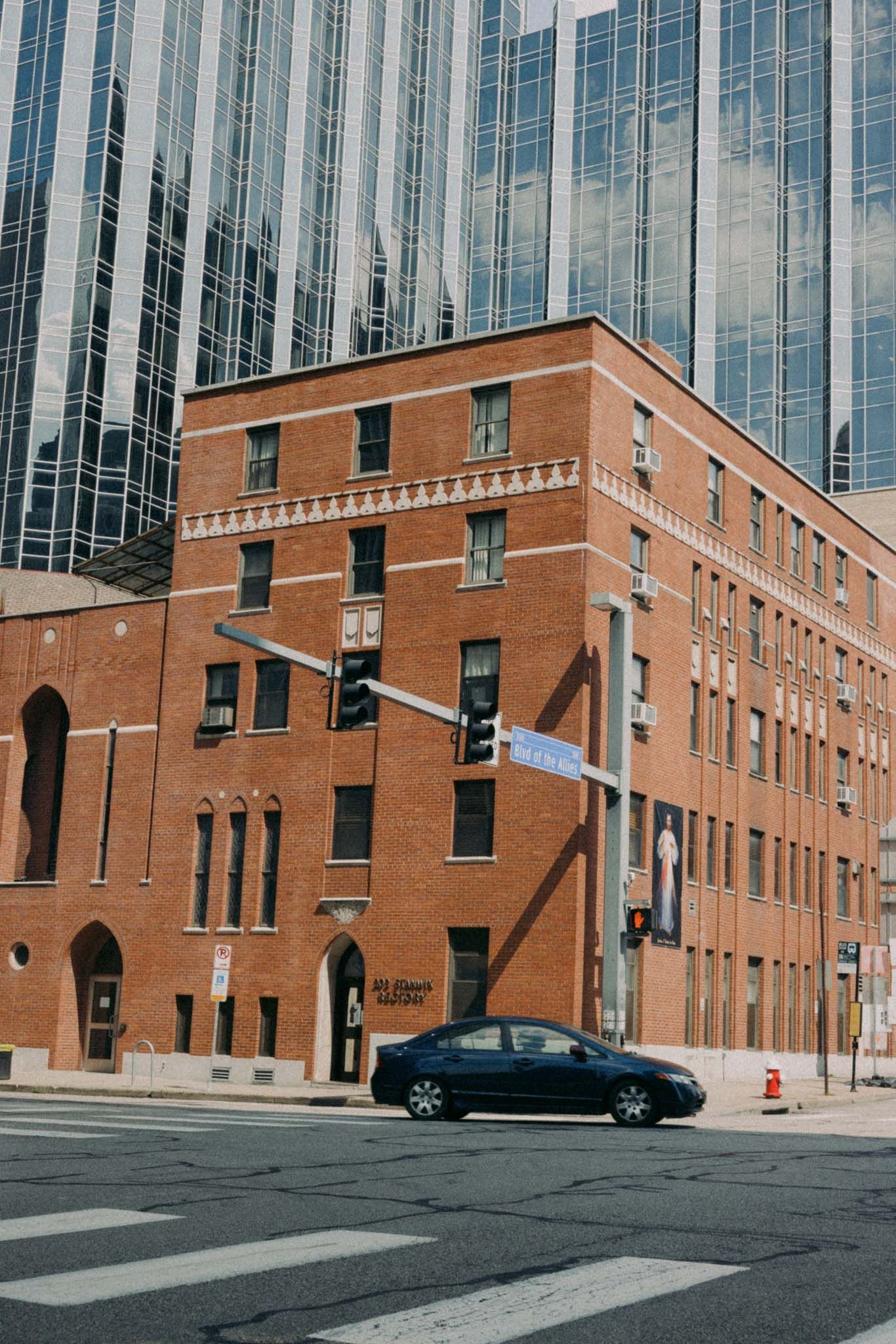
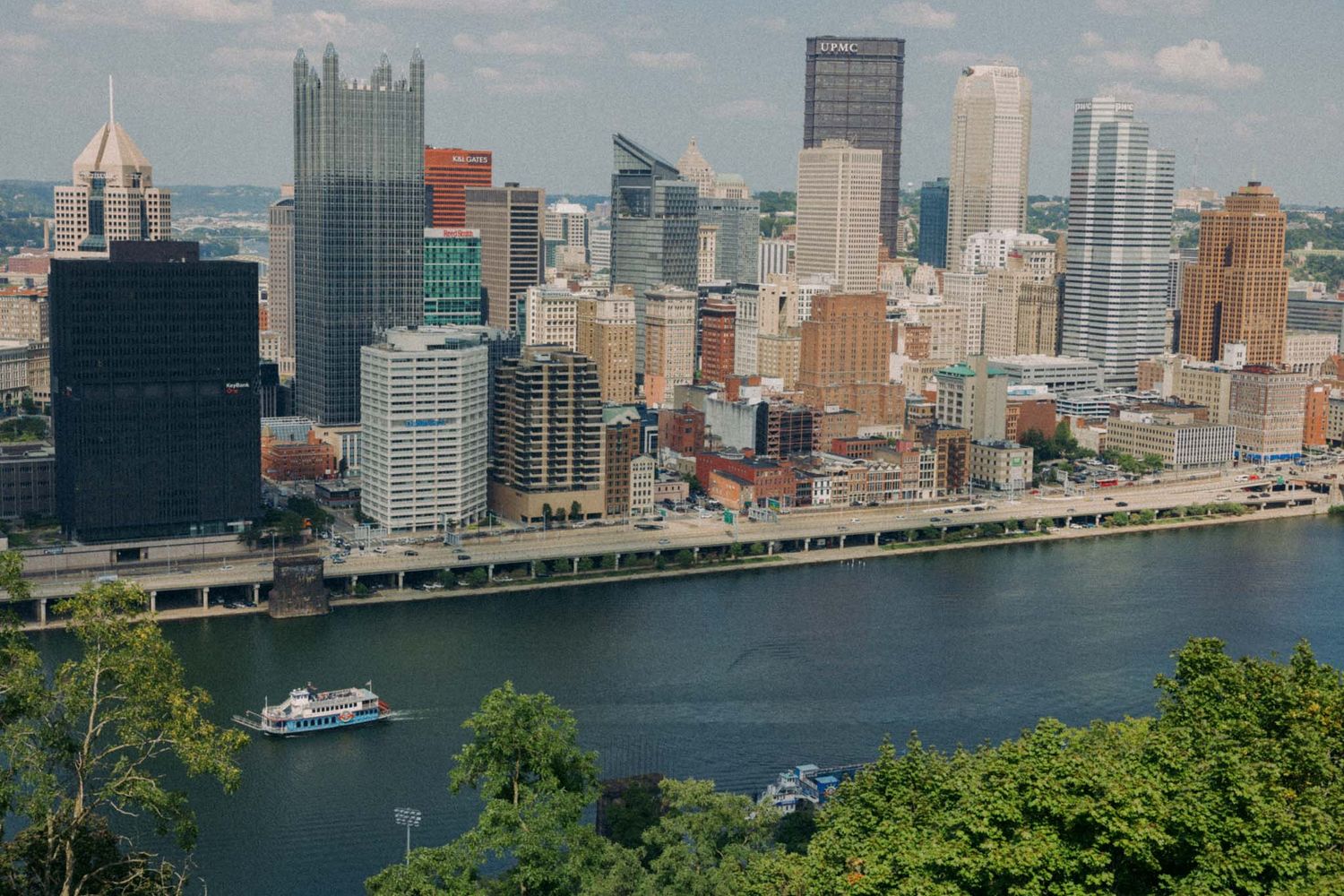
This minimalist perspective found a new dimension when I first faced the skyscrapers in the United States. Their reflective facades and the geometric interplay of light allowed me to continue the same exploration: reducing everything to lines, patterns, and shapes, turning urban architecture into pure abstraction.
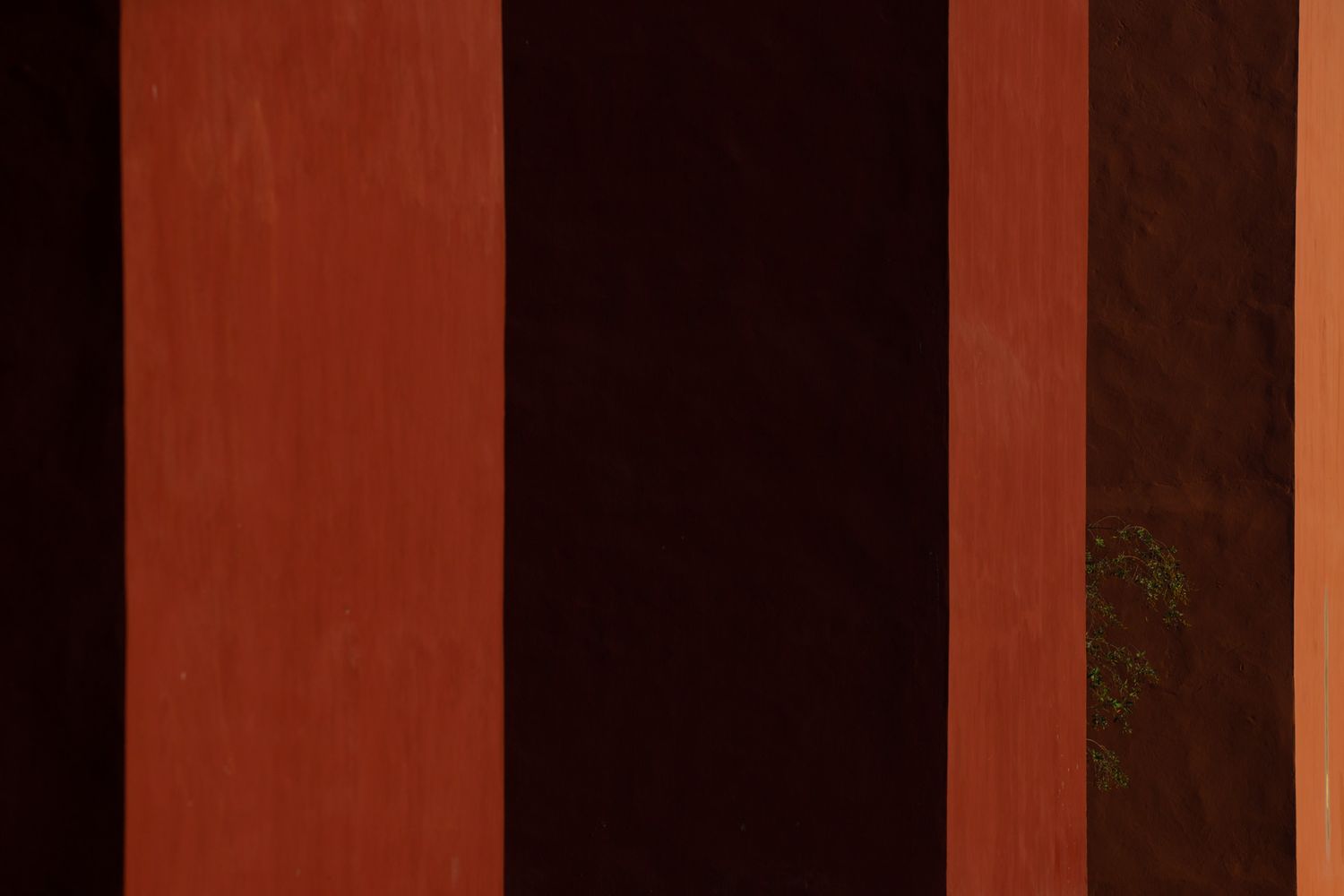
From deserts and kasbahs to glass and concrete towers, the guiding thread remains the same: to observe the world through form, light, and space, letting the visual essence of the surroundings emerge. Each photograph becomes a meeting point between reality and abstraction, where what matters is no longer the subject itself, but its geometry, its light, and its poetry.